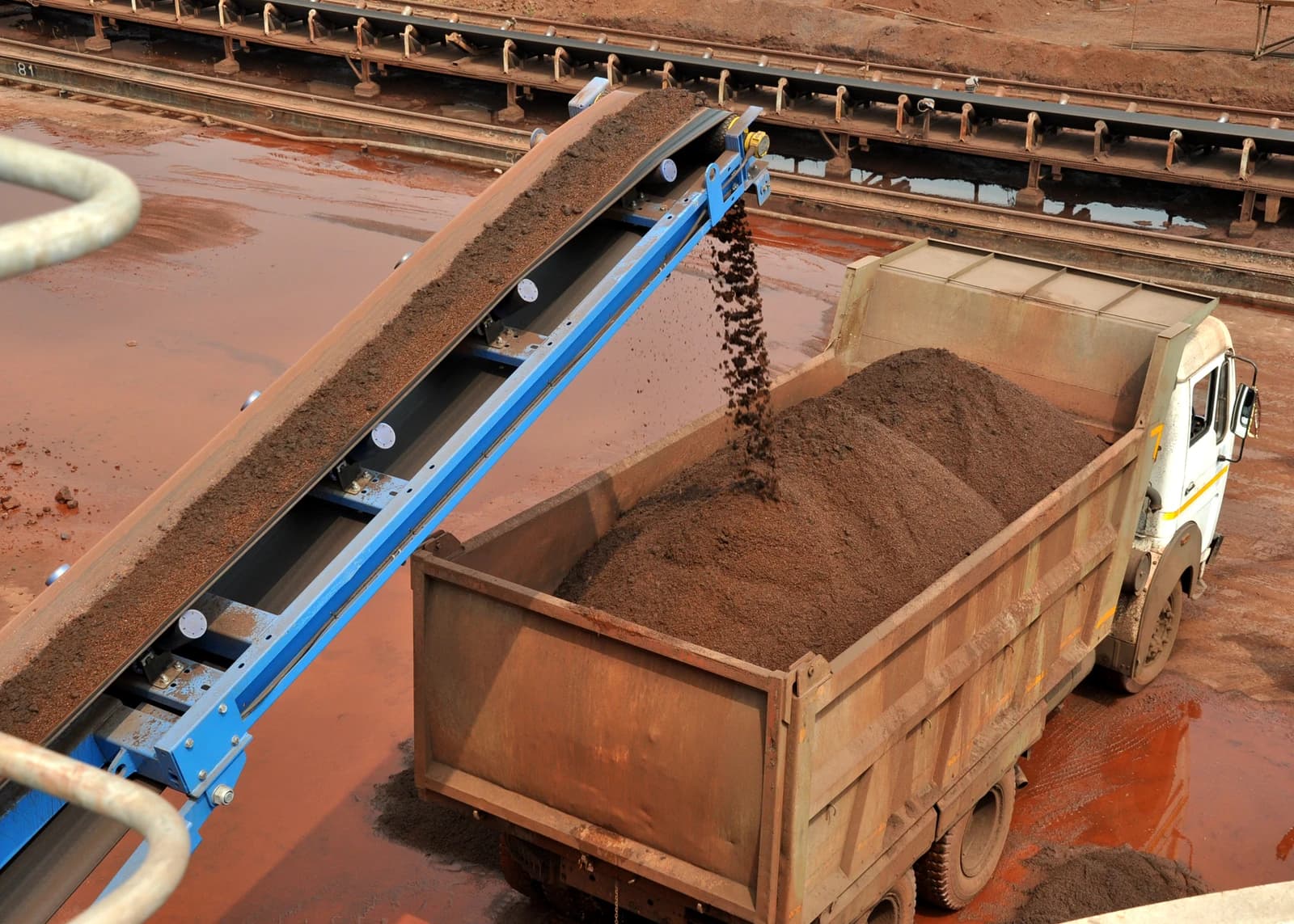
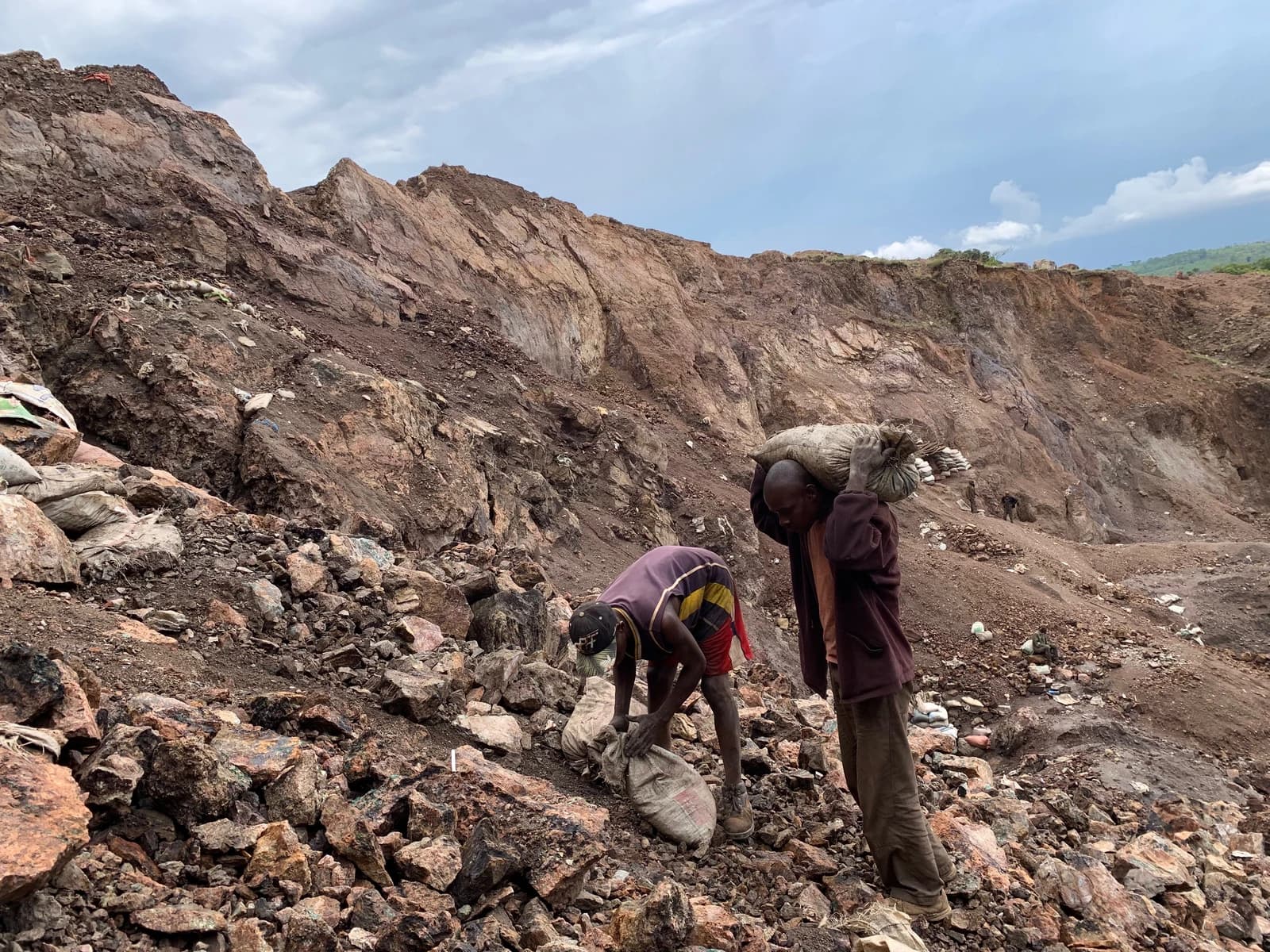
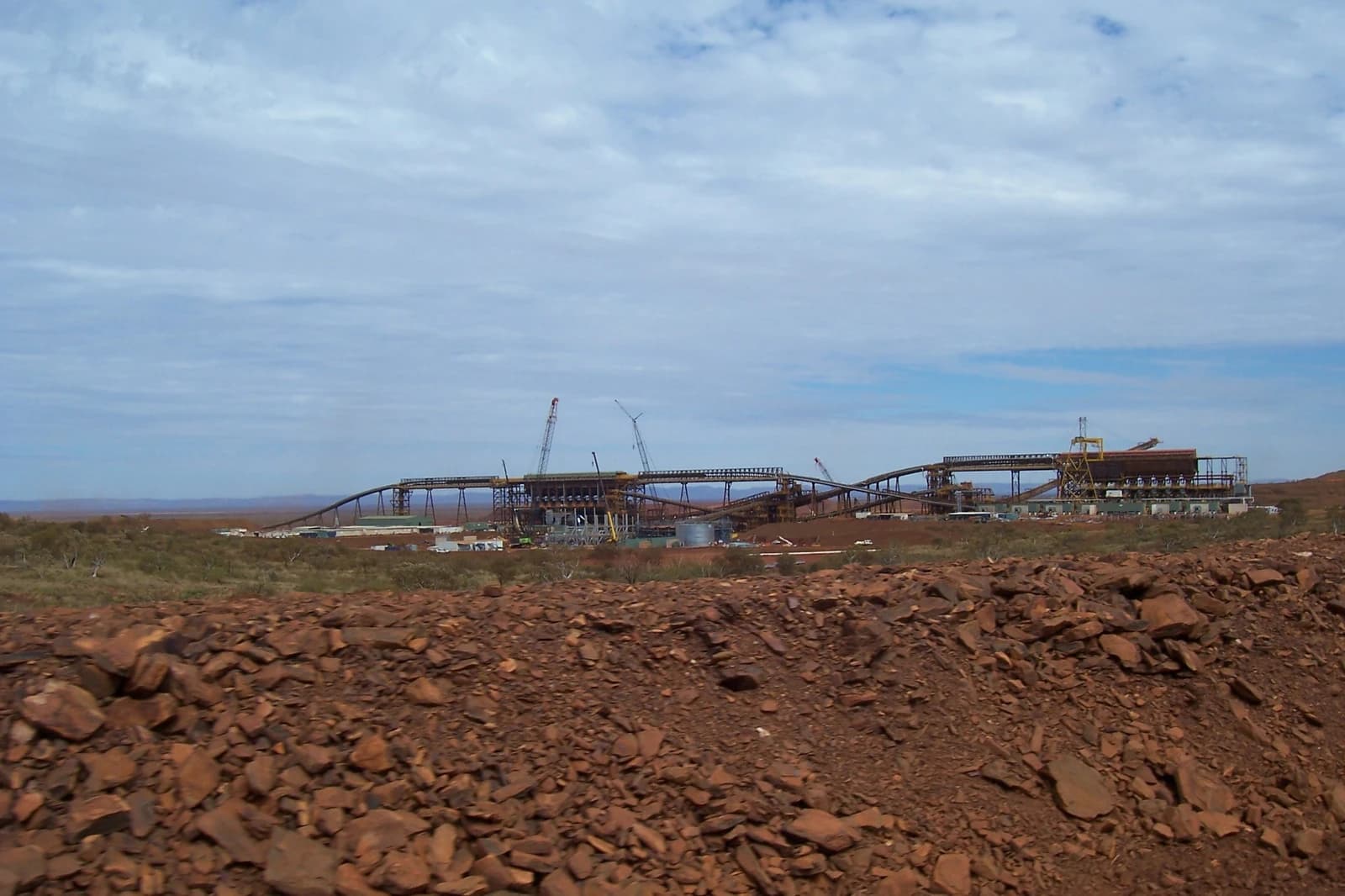
India’s state-backed miner NMDC is making a strategic pivot that could matter far beyond its own balance sheet: it is scouting critical mineral assets across four continents as New Delhi tries to reduce dependence on imported raw materials for everything from steel to batteries, chips and clean energy equipment.
NMDC Scours Critical Mineral Assets Across Four Continents
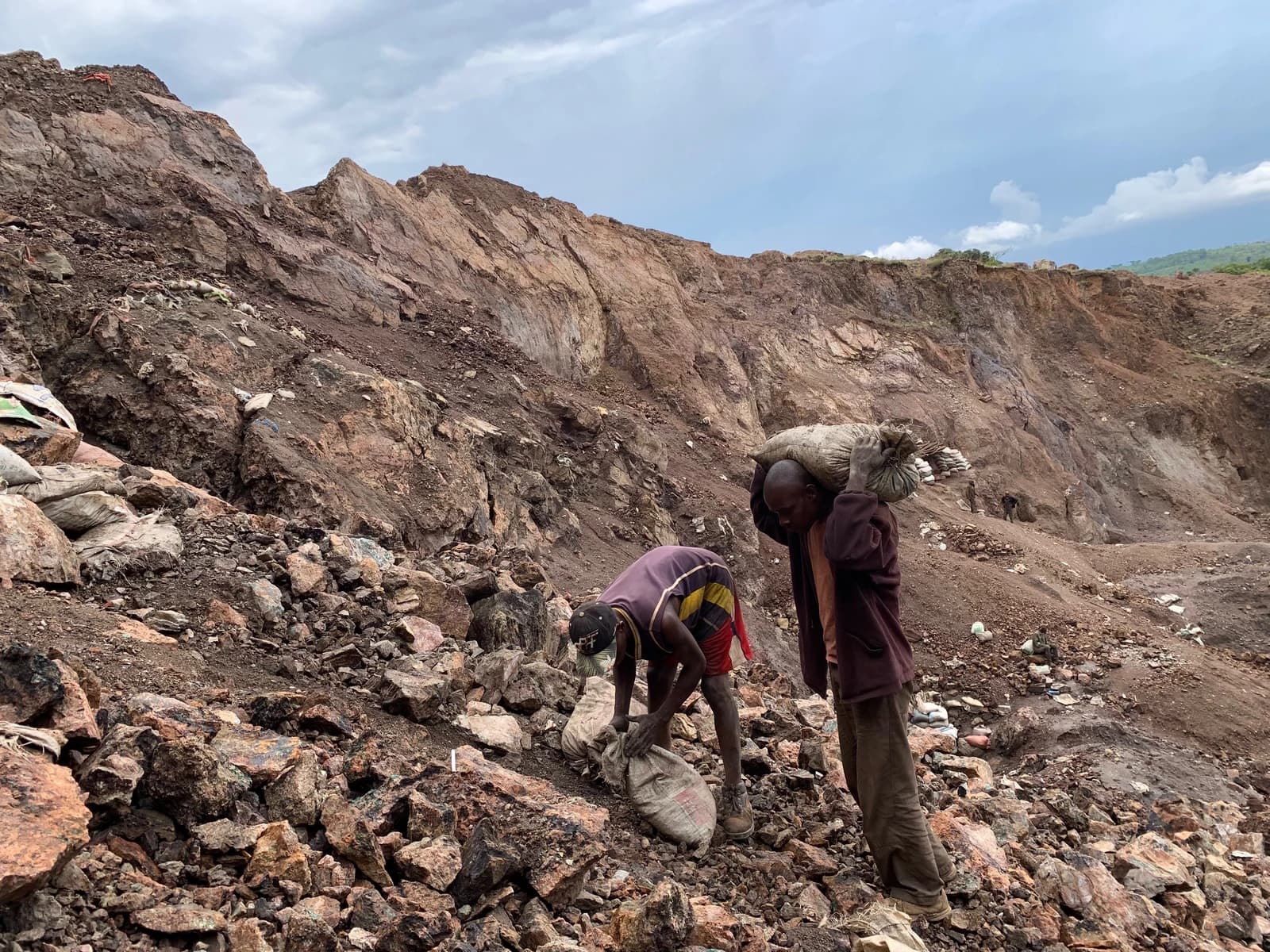
That matters because minerals such as lithium, copper, cobalt and rare earths sit at the heart of the next industrial cycle. If NMDC can build a meaningful portfolio outside iron ore, it would give India a stronger footing in sectors the government wants to scale, while also creating a second growth engine for a company that still gets almost all of its revenue from iron ore today.
Sentiment Indicators
The company is looking at blocks in Chile, Australia, Africa, Brazil and parts of Asia, according to industry sources. It is also weighing limestone, dolomite, coking coal and tungsten assets in the UAE, Oman, Bhutan and Australia. The aim is ambitious: NMDC wants at least 20% of revenue to come from minerals other than iron ore, up from a base that it describes as 99.9% iron ore.
For investors, that is the real story. NMDC is not just chasing new mines; it is trying to reposition itself as a broader minerals platform at a time when supply security is becoming a strategic asset. Critical minerals are increasingly central to electric vehicles, renewable energy systems, electronics, aerospace and defense. A company with operating scale, state backing and international ambitions could become an important conduit for India’s long-term resource strategy.
The timing also fits a wider policy backdrop. India’s draft Steel Policy Vision 2047 says raw materials account for roughly 65% to 70% of steelmaking costs and calls for steps such as domestic mining, long-term supply deals and mining asset acquisitions to curb import dependence. That is a strong endorsement for a miner like NMDC, especially as manufacturing growth, infrastructure buildout and defense indigenization keep steel demand rising over the long run.
There are, of course, execution risks. Mining rights are hard to secure, overseas deals can be expensive, and critical minerals require technical expertise that is different from iron ore mining. But the strategic direction is clear: the world’s biggest long-term materials opportunity is no longer just about digging up steel feedstock. It is about controlling the minerals that power electrification, digitization and industrial modernization.
For long-term investors, NMDC’s hunt is worth watching because it could turn a mature iron ore producer into a much more diversified mineral company. If management can convert ambition into asset ownership and revenue, the stock’s story may look very different in five years than it does today. That makes the move a watchlist development for patient investors rather than a trading headline.
| Entity | Gains | Losses |
|---|---|---|
| NMDC | ▲Diversified growth story | ▼Iron-ore-only profile |
| India industry | ▲Better raw-material security | ▼Import dependence |
| Critical-minerals suppliers | ▲More bidding interest | ▼Less pricing power if supply expands |
| Iron ore rivals | ▲Pressure to diversify | ▼Reliance on one commodity |