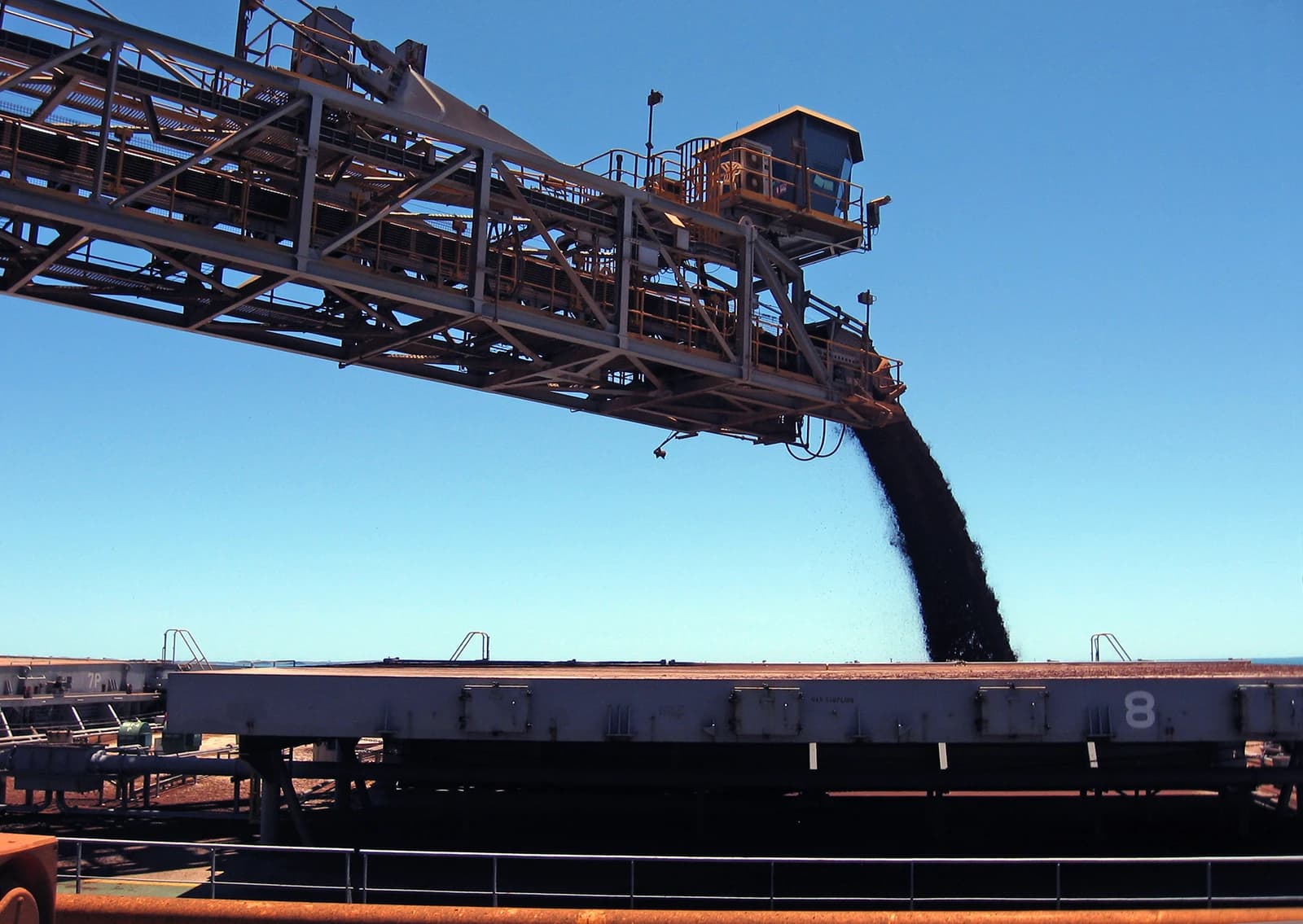
Iron ore is losing the one thing that has kept miners richly rewarded over the past year: confidence that China will keep absorbing the world’s extra supply. That shift matters because iron ore still sets the tone for the cash generation of Vale, BHP and Rio Tinto, and the latest price action suggests the market is moving from scarcity pricing toward a more cautious phase.
Iron ore slide hits Vale BHP and Rio shares
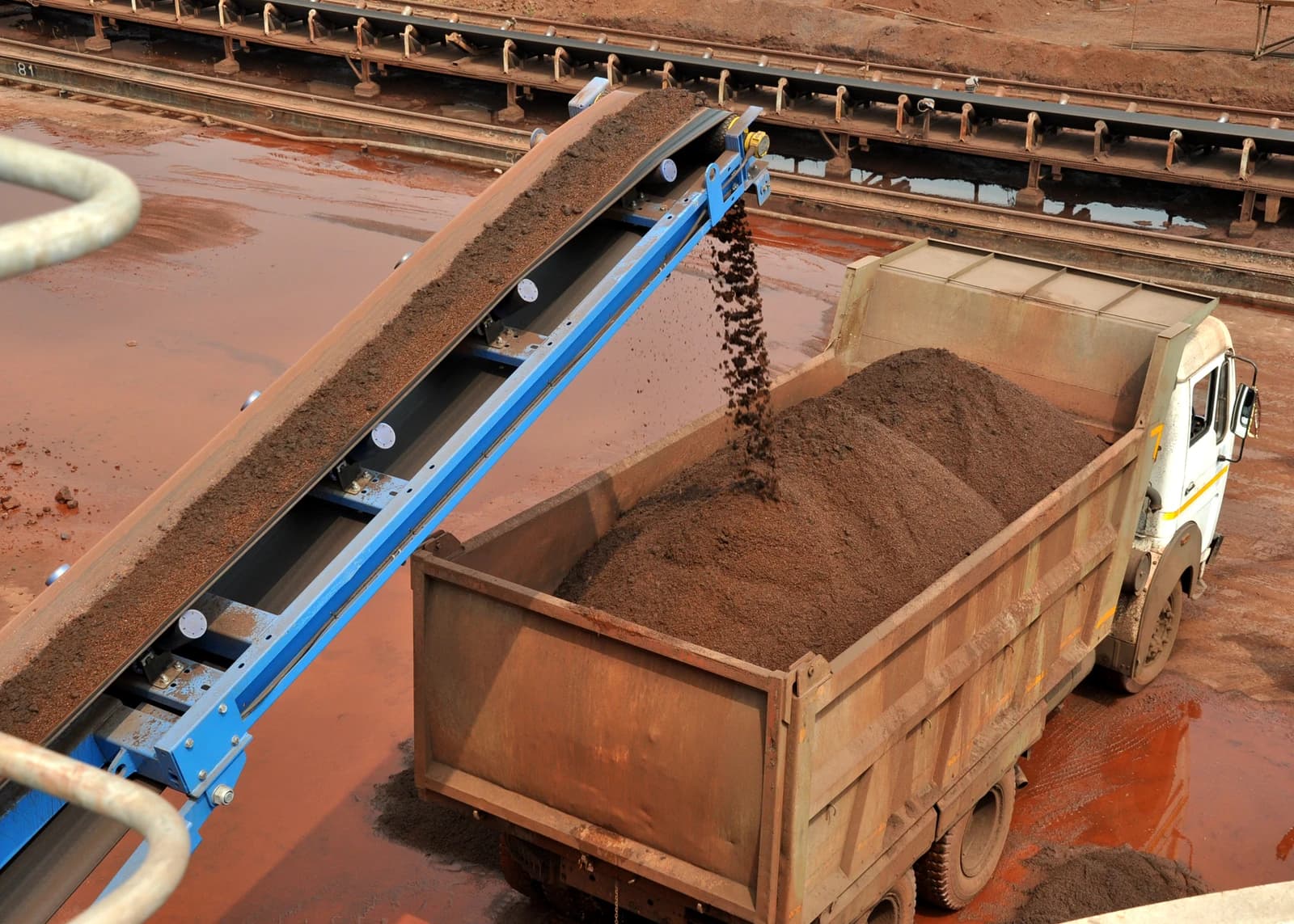
The clearest signal is the selloff in the miners themselves. Vale has dropped to about $11.39 from $16.90 in February, while BHP has slid to $79.16 from a 2026 high above $96 and Rio Tinto has fallen to $81.89 from more than $109. Those declines are not just routine volatility. They mirror a broader reset in iron ore expectations as prices sink to their lowest levels in more than two years amid weak demand and rising supply.
Sentiment Indicators
That matters economically because iron ore is the primary raw material used to make steel, and steel demand remains a direct read-through on construction, infrastructure and industrial activity. When iron ore weakens, it usually means steel mills are less eager to restock or are facing softer end demand. Adalytica’s China economic growth target sentiment has also turned neutral after a steep 30-day drop, reinforcing the sense that investors are questioning how much stimulus and steel demand can really do for the commodity cycle.
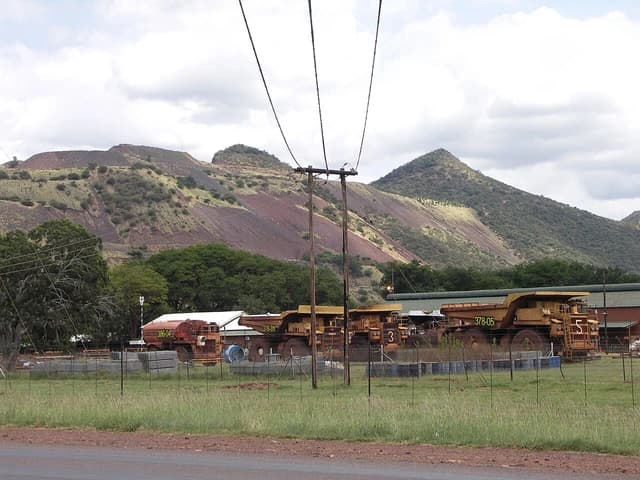
The irony is that the industry is still behaving as if it expects strength to return. BHP has awarded a $200 million contract for a 13-kilometer haul road tied to its Pilbara iron ore expansion, showing miners are continuing to invest for higher output even as prices soften. That is good news for long-term capacity and productivity, but in the near term it can add pressure to a market already wrestling with rising supply.
Economic Growth Targets
For investors, this is a classic commodity stock dilemma. The miners remain cash-generating businesses with durable assets, but iron ore’s recent slide reminds shareholders that their earnings are still highly cyclical and heavily dependent on China. The technical picture also reflects that stress: Vale’s shares are deeply oversold, with an RSI reading near 16, while BHP and Rio are approaching their own oversold territory. That does not make the stocks cheap by itself, but it does show how quickly sentiment can swing when the commodity turns.
There are still reasons not to abandon the sector. Chinese steel output can rebound faster than many expect, India’s long-term steel demand still looks constructive, and miners with low costs and strong balance sheets can endure weaker pricing better than smaller rivals. Gina Rinehart’s iron ore operations, meanwhile, reported a robust $1.8 billion profit, a reminder that the best assets can still throw off enormous earnings even in a softer market.
But the message for long-term investors is simple: iron ore is no longer a one-way trade. If China’s demand stays sluggish and supply keeps rising, the next leg may favor patience, diversification and selectivity over chasing the miners after their big run. Worth watching, but also worth treating as a cyclical exposure, not a permanent growth story.
| Entity | Gains | Losses |
|---|---|---|
| Steel mills | ▲Lower raw-material costs | ▼Producers’ pricing power |
| Iron ore miners | ▲Higher volumes if demand stabilizes | ▼Margin pressure from weaker prices |
| Long-term investors | ▲Entry points in quality miners | ▼Near-term earnings visibility |
| China construction sector | ▲Cheaper inputs | ▼Signals of softer activity |