China’s power system is changing fast, but coal is still the asset investors cannot ignore because it remains the grid’s balancing force when solar and wind fade.
China Coal Still Supports Power Grid Reliability
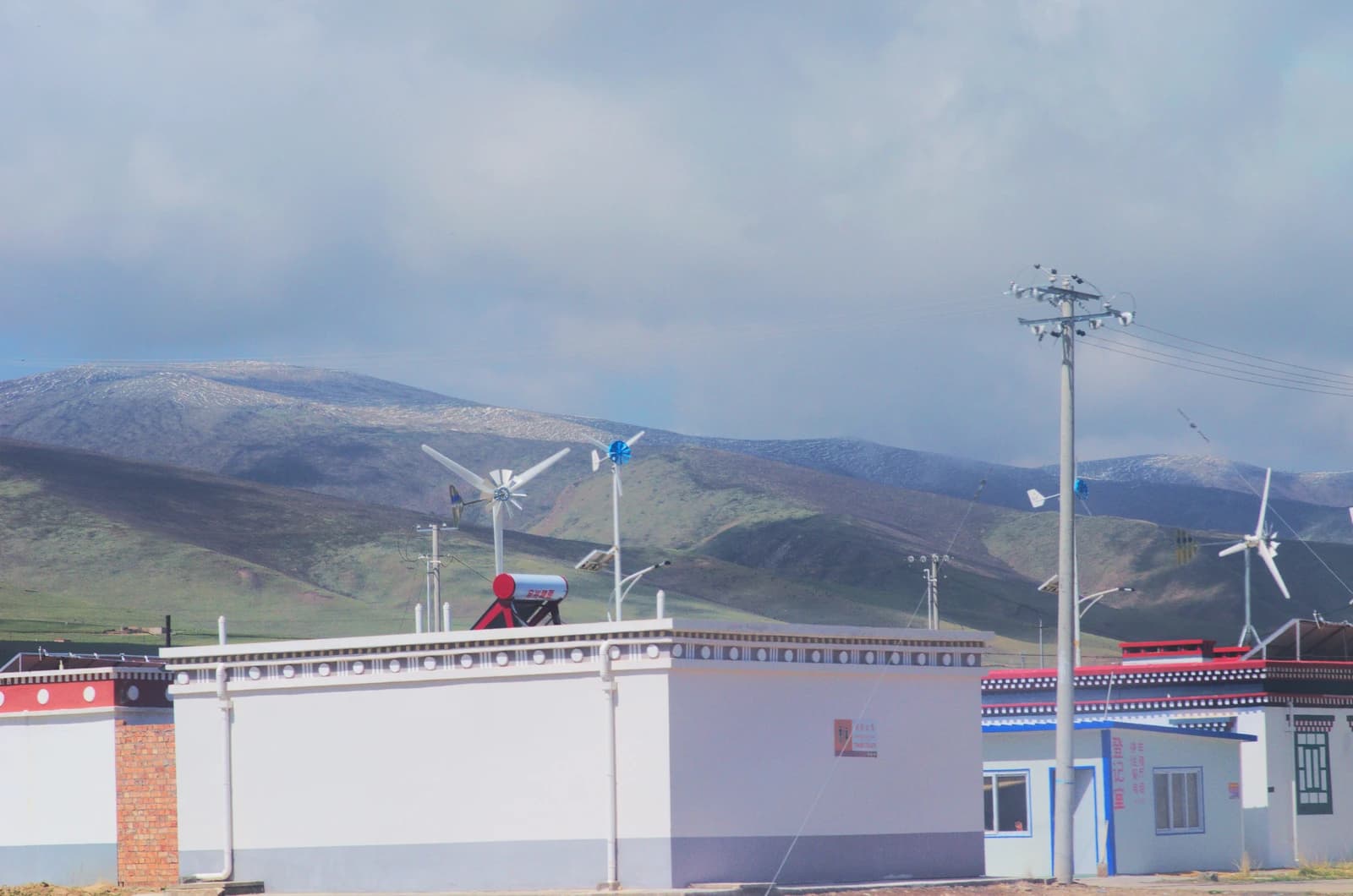
That is the core economic lesson behind Beijing’s energy transition: renewables may now be generating more electricity than coal, but intermittency keeps coal plants indispensable for reliability, industrial output and energy security. In other words, the green buildout is not a clean substitution story yet; it is a stacking story, with China effectively running two systems at once — one for when the weather cooperates and one for when it does not.
Sentiment IndicatorsⓘProprietary · adalytica.com · October 27, 2026
This is a snapshot — live sentiment, awareness and momentum for 130+ markets update continuously in the dashboard.Open AlphaPulse
For markets, that means the energy transition is increasingly about winners on both sides of the ledger. Solar, batteries and grid infrastructure are obvious beneficiaries, but so are the miners and diversified resource groups supplying the fuel that still underwrites baseload power. The latest numbers show why the thesis matters: renewables have now surpassed coal in China’s power generation, with output from wind and solar running at roughly three times coal’s contribution, while coal’s share of first-half electricity generation fell below 50%. Yet Beijing is still approving coal capacity and reviewing mining reforms because low-quality coal shortages and power cuts remain a real threat.
That tension is what investors are missing. The market likes neat narratives: coal is dying, renewables are winning, end of story. But China’s grid is a much messier capital-allocation machine. Electricity demand keeps rising, industrial activity still needs uninterrupted power and storage is not yet cheap enough or abundant enough to replace thermal backup at scale. Until that changes, coal retains pricing power, especially in a system where reliability matters more than ideology.
You can see that dynamic in the stocks. BHP, Rio Tinto and Southern Copper have all been whipsawed, but the broader message is that commodity investors are not just betting on Chinese growth — they are betting on the infrastructure of energy security. BHP and Rio have also repeatedly pointed to long-term demand from electrification, AI data centers and the wiring needed for the energy buildout, reinforcing that the next commodity cycle will be driven by both cleaner power and the fossil-fuel backup required to stabilize it.
The macro backdrop strengthens the case. Oil remains volatile, global rate expectations are still restrictive, and geopolitics continue to favor physical assets tied to industrial resilience. In that environment, coal does not need to be loved to be profitable. It only needs to remain necessary.
The investable takeaway is clear: the best trade is not a binary bet against coal, but a barbell around China’s power transition. Own the enablers of electrification — copper, grid gear, batteries and industrial metals — but do not overlook the coal-linked names that benefit from reliability-driven demand and a prolonged transition. This is not a clean break. It is a multi-year coexistence, and that keeps coal, miners and the whole energy-security complex in the frame.
| Entity | Gains | Losses |
|---|---|---|
| Chinese coal miners | ▲Persistent backup demand | ▼Faster coal displacement |
| Solar and wind developers | ▲Higher renewable share | ▼Grid curtailment risk |
| Battery storage firms | ▲Rising need for firming power | ▼Delayed storage adoption |
| Industrial metals producers | ▲Electrification capex | ▼Weak grid investment execution |