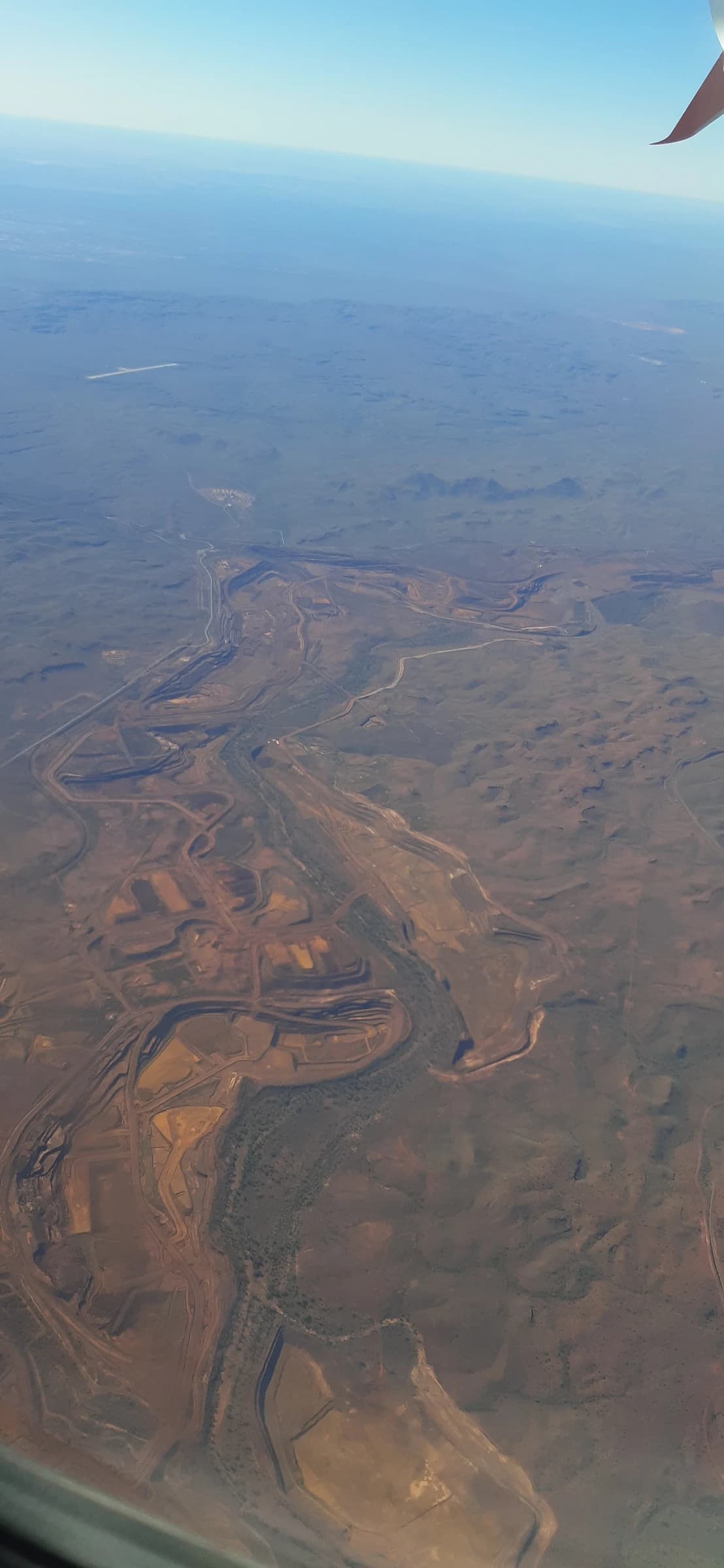
BHP said fiscal first-quarter copper production fell from a year earlier, underscoring how supply disruptions and lower ore grades are continuing to crimp output even as the miner’s iron ore, steelmaking coal and energy coal businesses improved.
BHP copper output falls as iron ore rises
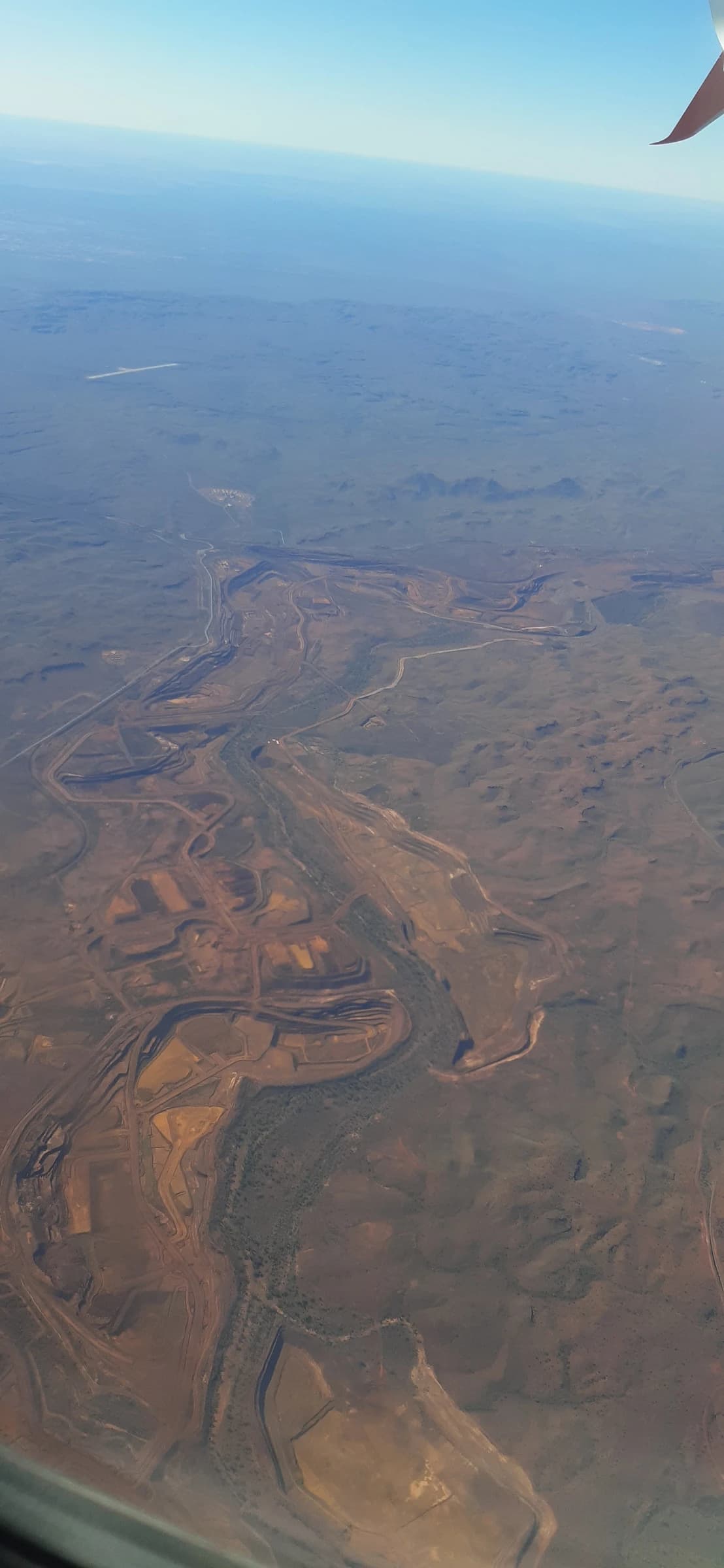
The shift matters because copper is the commodity most closely tied to the energy transition and broader electrification demand, while iron ore and coal remain BHP’s main cash engines. Any shortfall in copper output can squeeze near-term growth even when prices are supportive, and it leaves the company leaning more heavily on bulk commodities that are more exposed to Chinese steel demand and the cyclical health of global construction and manufacturing.
Copper has been volatile this year as production setbacks across Chile and other major supplying regions tightened the market. BHP’s weaker quarterly showing adds to a run of missed or softer output from large miners, reinforcing concern that grades are declining faster than new supply can be brought onstream. That is significant for investors because the market has increasingly rewarded miners with credible copper growth pipelines, especially those with scale and long-life assets.
By contrast, stronger iron ore and coal output should support cash generation in the near term. BHP has spent heavily to expand copper, betting that long-term demand from grids, EVs and data centres will justify the capex. But the latest production mix shows the group is still reliant on its legacy portfolio to bridge the gap when copper execution slips.
The stock has also lost momentum after a strong run earlier in the year, with recent technical readings showing it has fallen below both its 50-day and 200-day moving averages and momentum gauges weakening. That suggests investors are becoming more cautious on the near-term earnings outlook, even if the longer-term investment case around copper remains intact.
For now, the key question is whether BHP can convert its growth spending into sustained copper volume gains fast enough to offset maturity in its other businesses. If it cannot, the shares may continue to trade more like a cyclical bulk producer than a leveraged copper growth story.
| Entity | Gains | Losses |
|---|---|---|
| Iron ore and coal divisions | ▲Higher output; stronger cash flow | ▼Less portfolio diversification |
| Copper bulls | ▲Long-term supply tightness narrative | ▼Near-term volume disappointments |
| Steel mills and energy buyers | ▲More supply availability | ▼Potentially weaker leverage from copper-led growth |
| BHP shareholders | ▲Support from bulk commodities | ▼Slower copper execution and weaker momentum |