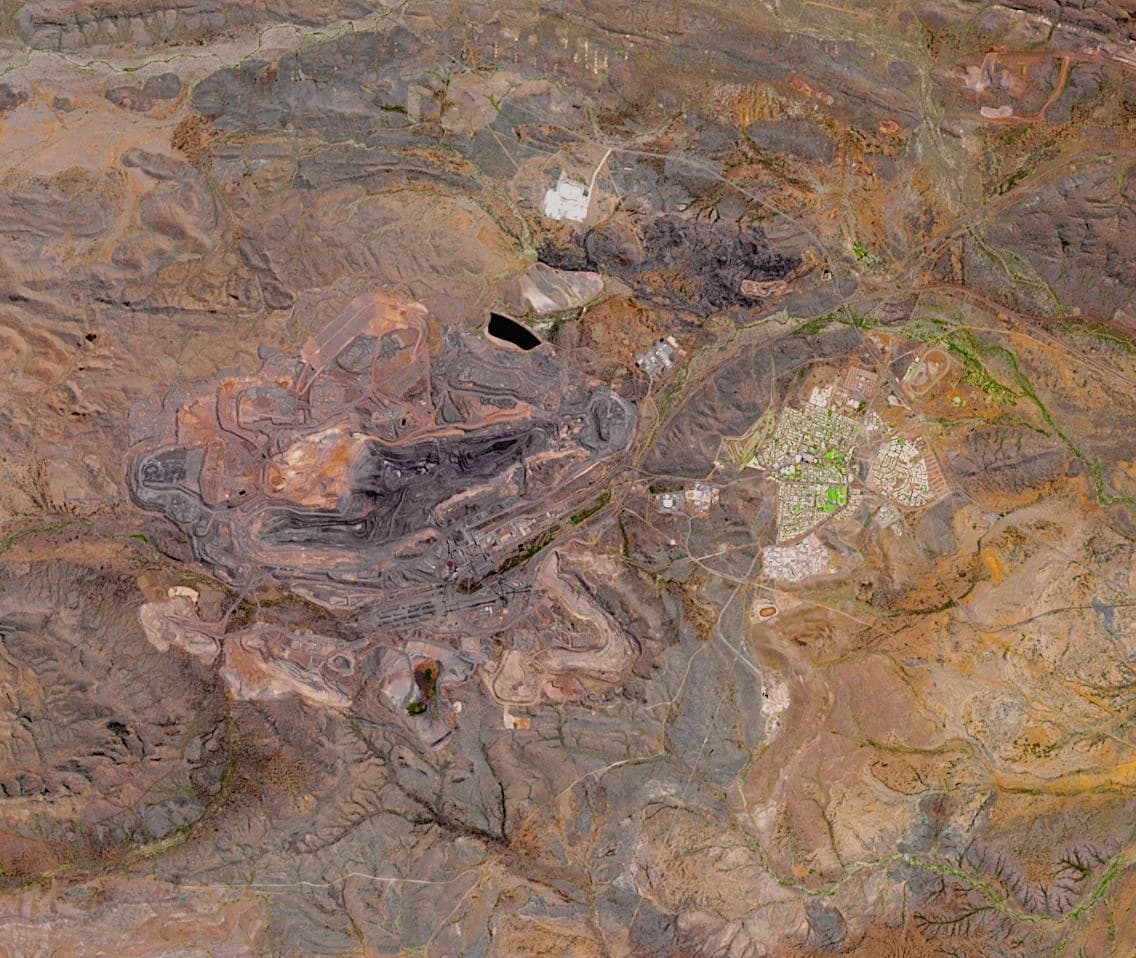
Australia’s bid to turn iron ore into green iron is shifting from long-term industrial strategy to near-term economic necessity as China’s steel boom fades and export earnings face a projected AUD44 billion decline over the next five years.
Australia green iron shift as China steel demand fades
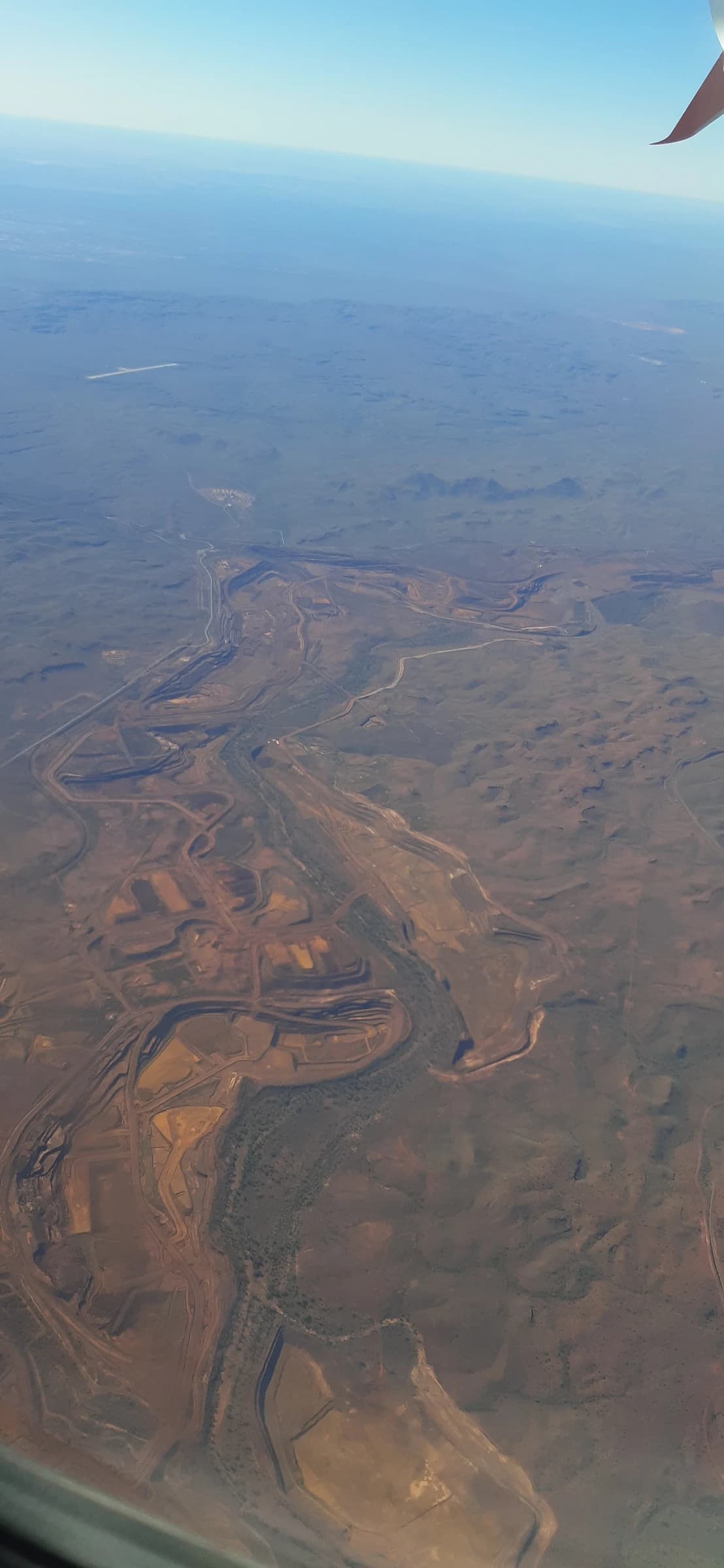
A new report from the Institute for Energy Economics and Financial Analysis says Australia can no longer assume its biggest customer will keep absorbing the bulk of its iron ore output at the same pace or price. With around 80% to 85% of Australian iron ore still flowing to China, the end of China’s steel expansion leaves Canberra and Western Australia exposed to falling volumes, softer prices and shrinking royalty receipts.
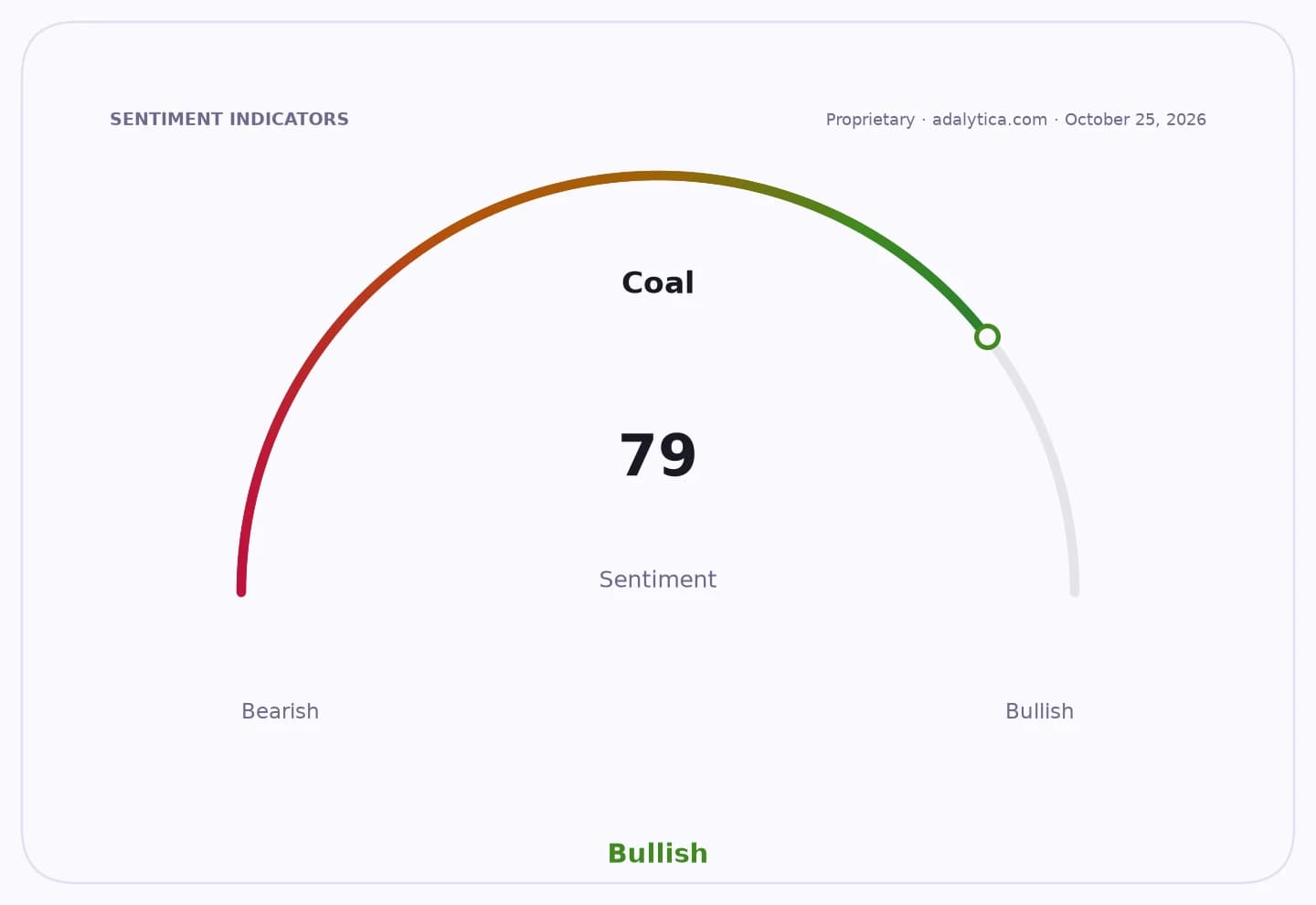
Sentiment IndicatorsⓘProprietary · adalytica.com · October 26, 2026
This is a snapshot — live sentiment, awareness and momentum for 130+ markets update continuously in the dashboard.Open AlphaPulse
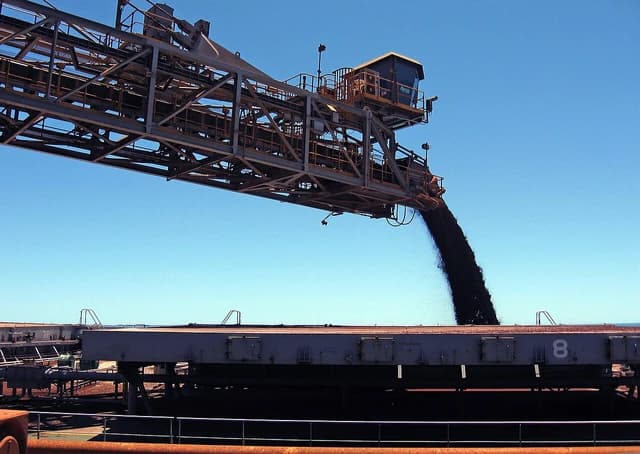
That matters because iron ore is Australia’s biggest export and one of the country’s most important sources of tax and state revenue. The federal government expects export volumes to peak within two years and then slide through the rest of the decade, while iron ore earnings are forecast to drop to AUD79 billion in 2030-31 from AUD123 billion in 2025-26. Western Australia, which relies heavily on iron ore royalties, is already bracing for a steep decline in income.
The shift also has implications for miners such as BHP and Rio Tinto, which remain heavily tied to Pilbara ore sales. Their shares have been volatile alongside the iron ore price, with both stocks now trading well below recent peaks after sharp swings through the year, reflecting concern that China demand may be peaking just as new supply comes on stream. BHP closed at 78.96 on Oct. 26, down from a 2026 high near 96.58, while Rio Tinto ended at 83.75 after topping 109.63 earlier in the year.
The IEEFA report argues the next growth story is not simply more ore sales, but value-added green iron made using low-emissions power and hydrogen. Previous research cited by the group says such production could lift the value of Australia’s biggest export by AUD133 billion to AUD269 billion, but only if Australia can build new off-take markets beyond China.
That is increasingly important because China is also trying to secure its own supply chain. It dominates renewable, battery and electrolyser technology and is building capability to make green iron domestically, reducing the chance it becomes a large customer for Australian exports of low-carbon iron products.
Instead, the report says Australia should focus on India and Southeast Asia, where steel demand is still growing. India’s iron ore imports are forecast to rise from near zero to 50 million tonnes by 2031, while Thailand may soon buy iron made with green hydrogen from a planned plant in Oman, an early sign that the export model could work. Fortescue, which has targeted 100 million tonnes a year of green iron exports to China, has already said it is looking more closely at Southeast Asia and India after sales came under pressure from China’s China Mineral Resources Group.
The economics are becoming harder to ignore. China’s steel production peaked in 2020 and is now seen in structural decline, while new supply from Simandou in Guinea and a larger role for scrap steel could tighten the squeeze on seaborne iron ore pricing. For investors, that means the old China-heavy iron ore model looks less reliable, while green iron, processing capacity and access to alternative Asian markets are becoming the key strategic variables.
The near-term test is whether Australia can move from policy talk to project finance, infrastructure and long-term offtake deals fast enough to offset a weakening iron ore cycle. If not, the decline in China demand could turn what was once a national opportunity into a revenue problem.
| Entity | Gains | Losses |
|---|---|---|
| Australia’s green iron sector | ▲Higher-value exports | ▼Delay in investment |
| BHP and Rio Tinto | ▲Diversification optionality | ▼China-linked earnings pressure |
| India and Southeast Asia | ▲Supply diversification | ▼Higher import competition |
| China steel buyers | ▲Lower dependence on imports | ▼Less leverage from Australian ore |