Iron ore prices are sliding toward four-year lows as a fresh wave of supply from Australia and Brazil collides with a softer outlook for Chinese steel demand, a combination that is tightening margins across the bulk commodities complex and pressuring miners’ earnings prospects.
Iron ore falls on weak China steel demand
The market’s focus is shifting from near-term production resilience to the durability of end-demand. In China, the world’s biggest consumer of iron ore, construction and property activity remain weak enough to force the World Steel Association to cut its 2026 global steel consumption forecast to a 0.1% decline from a 0.3% rise previously. That downgrade matters because iron ore is a leveraged play on steel production: when mills expect weaker orders, they reduce raw-material purchases, and prices can fall quickly even if shipments hold up.
Sentiment IndicatorsⓘProprietary · adalytica.com · October 24, 2026
This is a snapshot — live sentiment, awareness and momentum for 130+ markets update continuously in the dashboard.Open AlphaPulse
Spot prices in China fell 0.22% to 681 yuan a metric ton on Oct. 20, down 4.76% over the past month and 11.84% from a year earlier. Futures briefly slipped below 680 yuan, the level that brings the market close to its weakest since 2024, while the average forecast for the fourth quarter stands near 664.49 yuan a ton. In dollar terms, the benchmark price has dropped 13.79% to $90.95 a ton, underscoring that this is not just a local currency move but a broader repricing of the iron ore cycle.
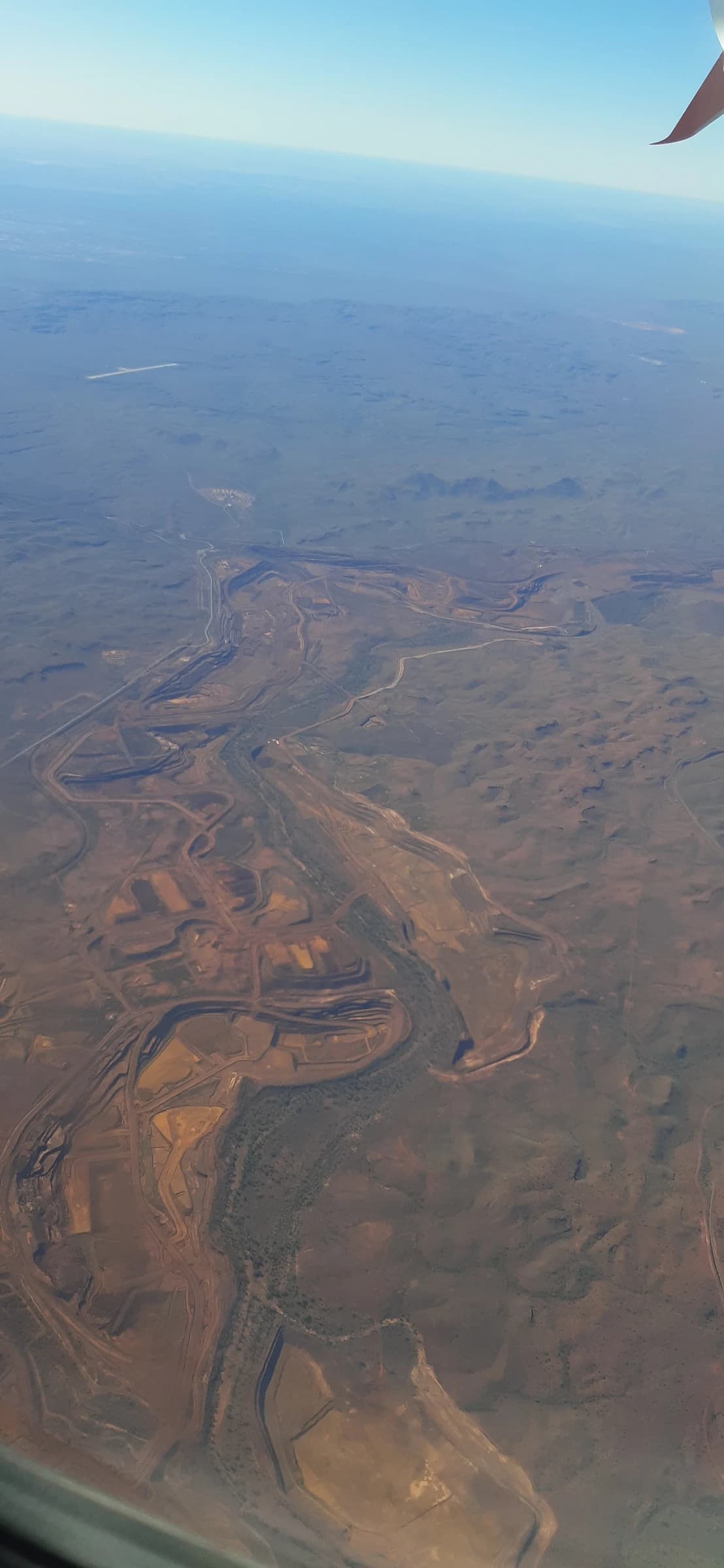
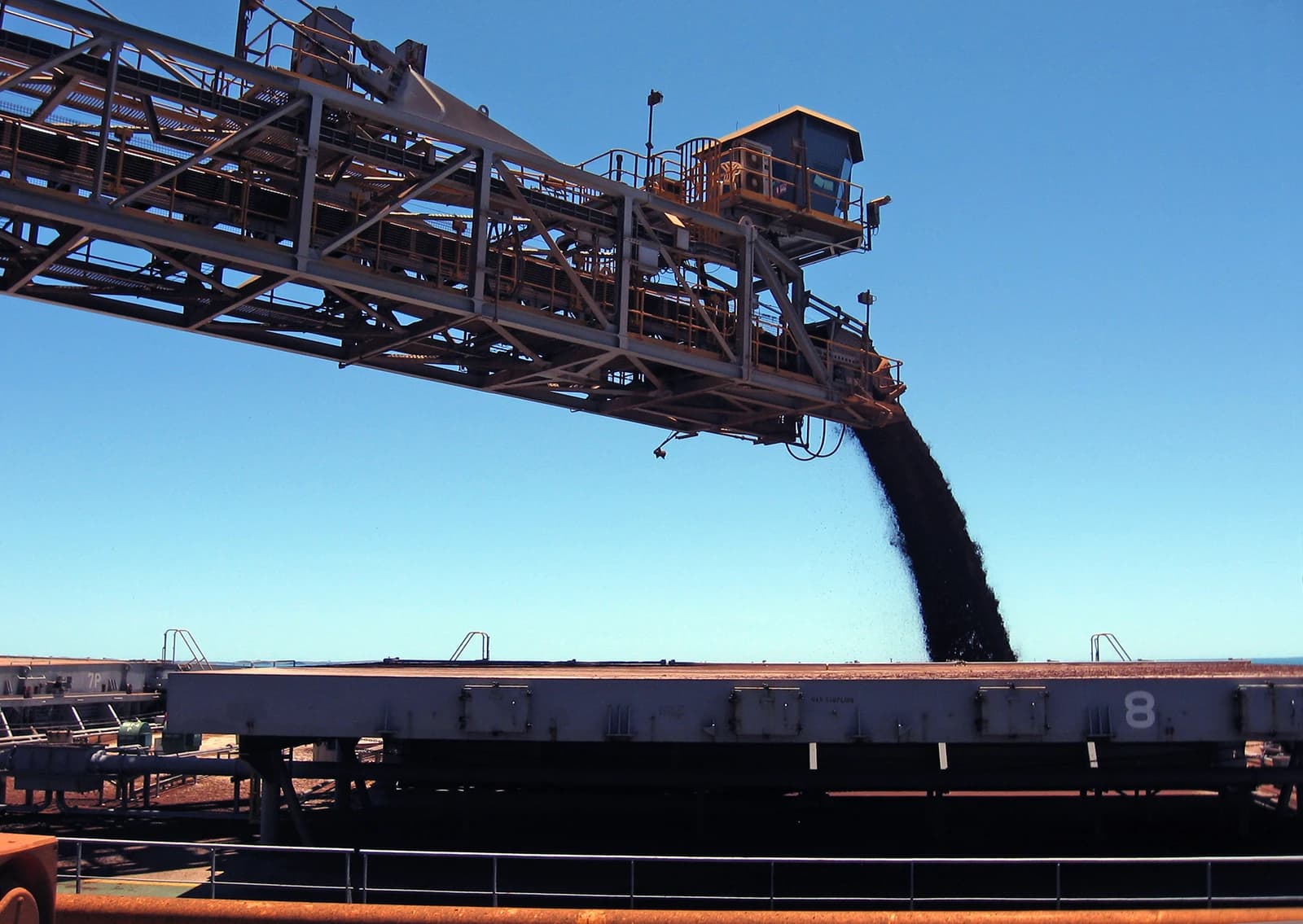
The supply side is making the downturn harder to arrest. Global shipments jumped 3.89 million tons week on week to 34.77 million tons in the week ended Oct. 18, with Australia and Brazil lifting exports by a combined 4.79 million tons to 29.82 million tons. Ore arrivals at China’s 47 major ports also rose 2.73 million tons to 28.35 million tons, adding to inventory pressure and making it harder for prices to stabilize.
For investors, the message is straightforward: the iron ore market is telling a bearish story about Chinese industrial demand, even as some macro indicators remain mixed. China’s growth-target sentiment gauge from Adalytica is deeply depressed, while the broader PMI recession signal has cooled only modestly, suggesting investors are still wrestling with whether the weakness is cyclical or more structural. Either way, the burden is falling on miners with high exposure to seaborne iron ore.
That is already showing up in equities. Vale and Rio Tinto have both retreated sharply from recent highs, with their shares now trading below short-term and longer-term moving averages after a recent selloff. The technical picture reflects weakening momentum: both stocks have seen their relative strength readings fall into oversold territory, consistent with a market that is pricing in weaker realized prices and potentially softer cash generation ahead. BHP has held up better operationally, but it too is not immune to a lower-price environment, especially if Chinese steel demand fails to recover into year-end.
The bull case is that Chinese stimulus, seasonal restocking or a rebound in infrastructure spending could trigger a short-covering rally, particularly if supply growth slows. The bear case is more compelling for now: rising exports, weak property activity and a downward revision to steel demand together point to a market where downside risks remain dominant. Unless China’s construction sector steadies, iron ore is likely to stay under pressure, and miners’ share prices may continue to track every new sign of slack demand.
| Entity | Gains | Losses |
|---|---|---|
| Steel mills | ▲Lower raw material costs | ▼Ore miners’ pricing power |
| Iron ore buyers in China | ▲Cheaper input costs | ▼Port inventories remain elevated |
| Vale, Rio Tinto, BHP | ▲Higher volumes can offset some weakness | ▼Lower realized iron ore prices |
| Australian and Brazilian exporters | ▲Larger shipment volumes | ▼Global prices and margins |