China’s rare earth shipments to the United States surged 660% in June after a fresh trade agreement eased tensions between the world’s two biggest economies, underscoring how quickly Beijing’s leverage over critical minerals can feed into supply chains, industrial output and investor positioning.
China rare earth shipments to U.S. surge after truce
The increase matters because rare earths are not niche commodities anymore — they are strategic inputs for smartphones, electric vehicles, aircraft engines, wind turbines and advanced chips. When China tightens or loosens the flow, it ripples through everything from auto production in Europe to U.S. technology manufacturing. The latest rebound suggests both sides are again using access to critical materials and export controls as bargaining chips, rather than allowing a full decoupling.
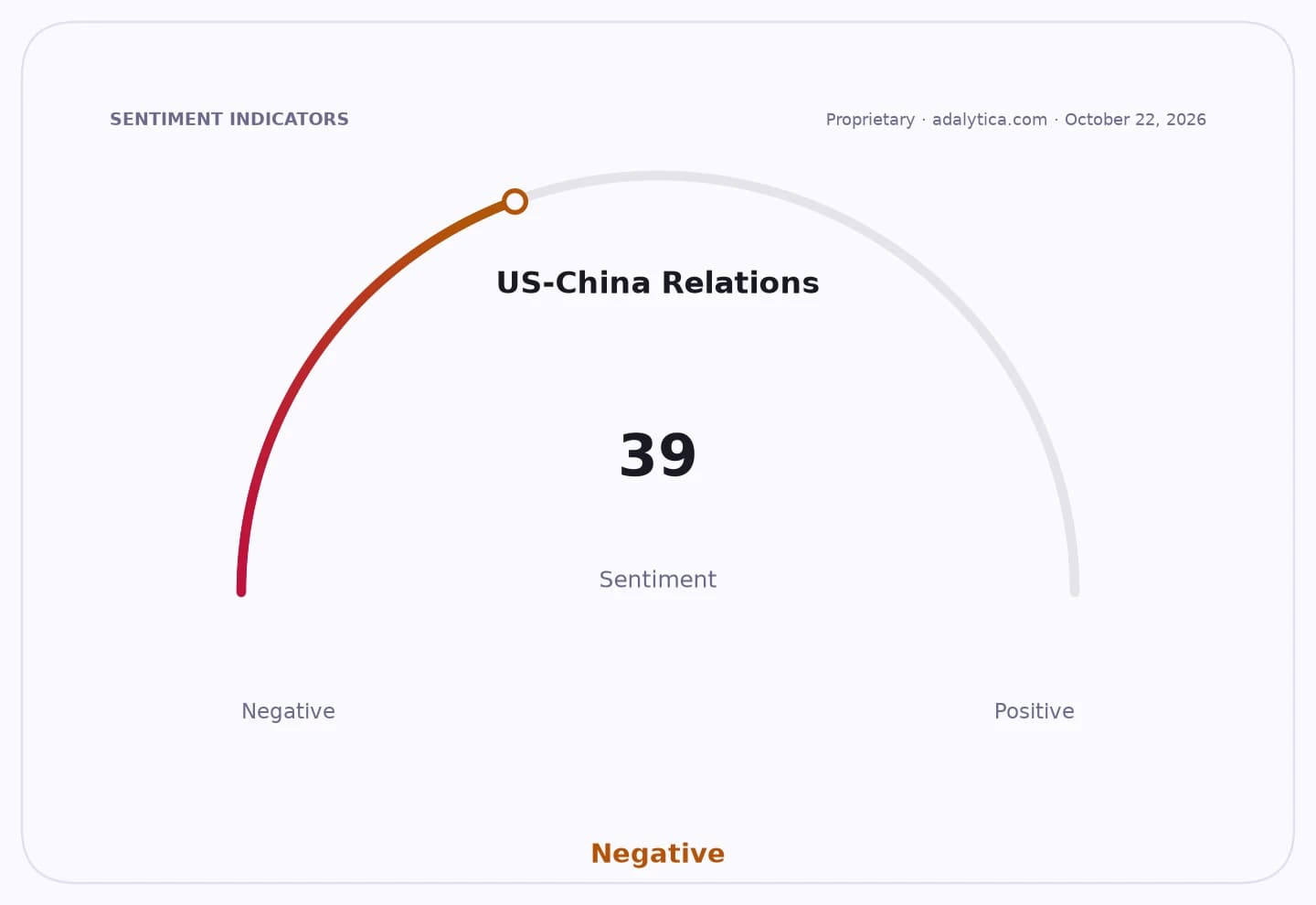
Sentiment IndicatorsⓘProprietary · adalytica.com · October 25, 2026
This is a snapshot — live sentiment, awareness and momentum for 130+ markets update continuously in the dashboard.Open AlphaPulse
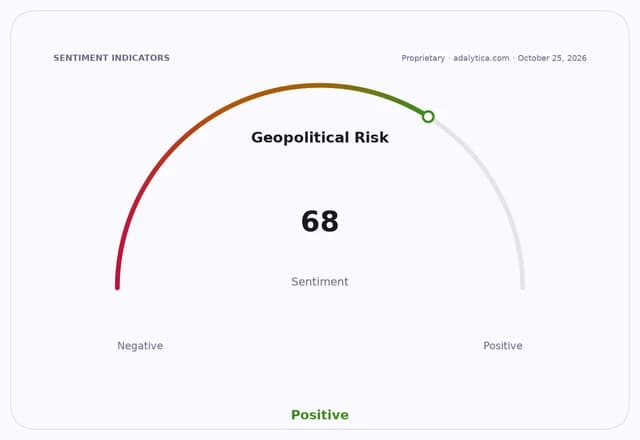
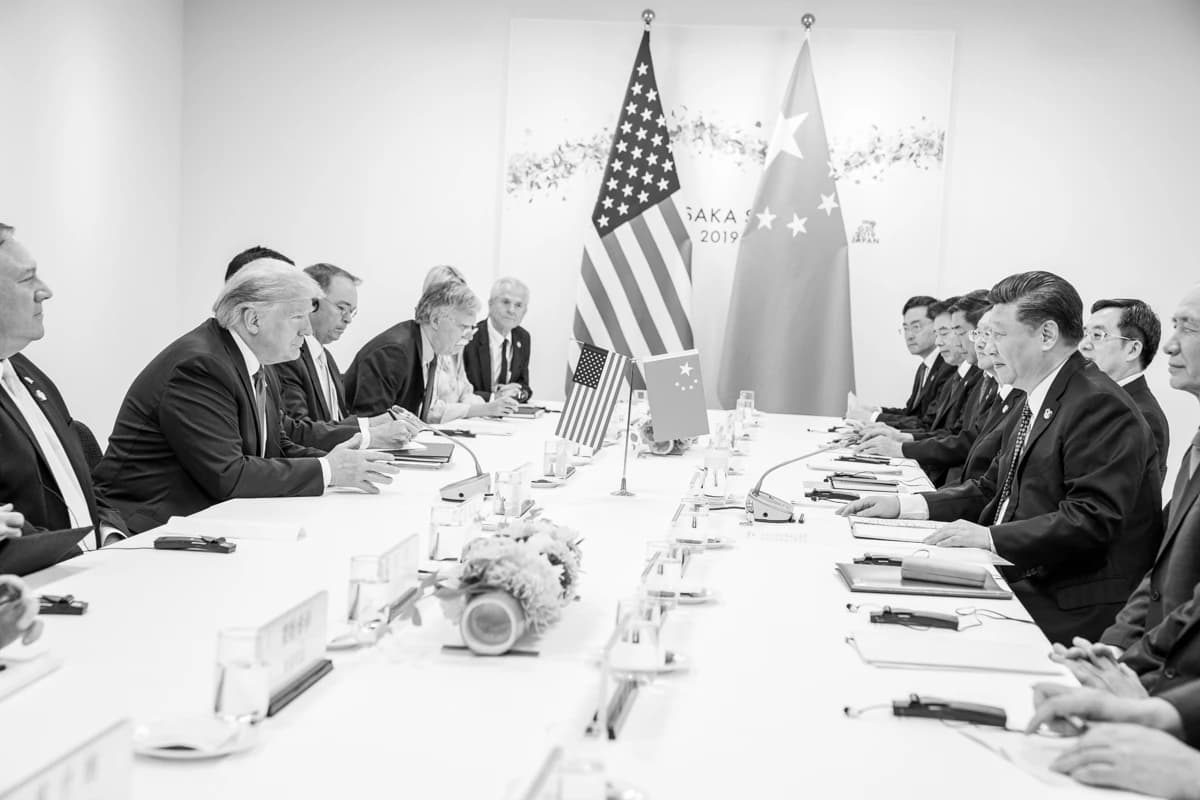
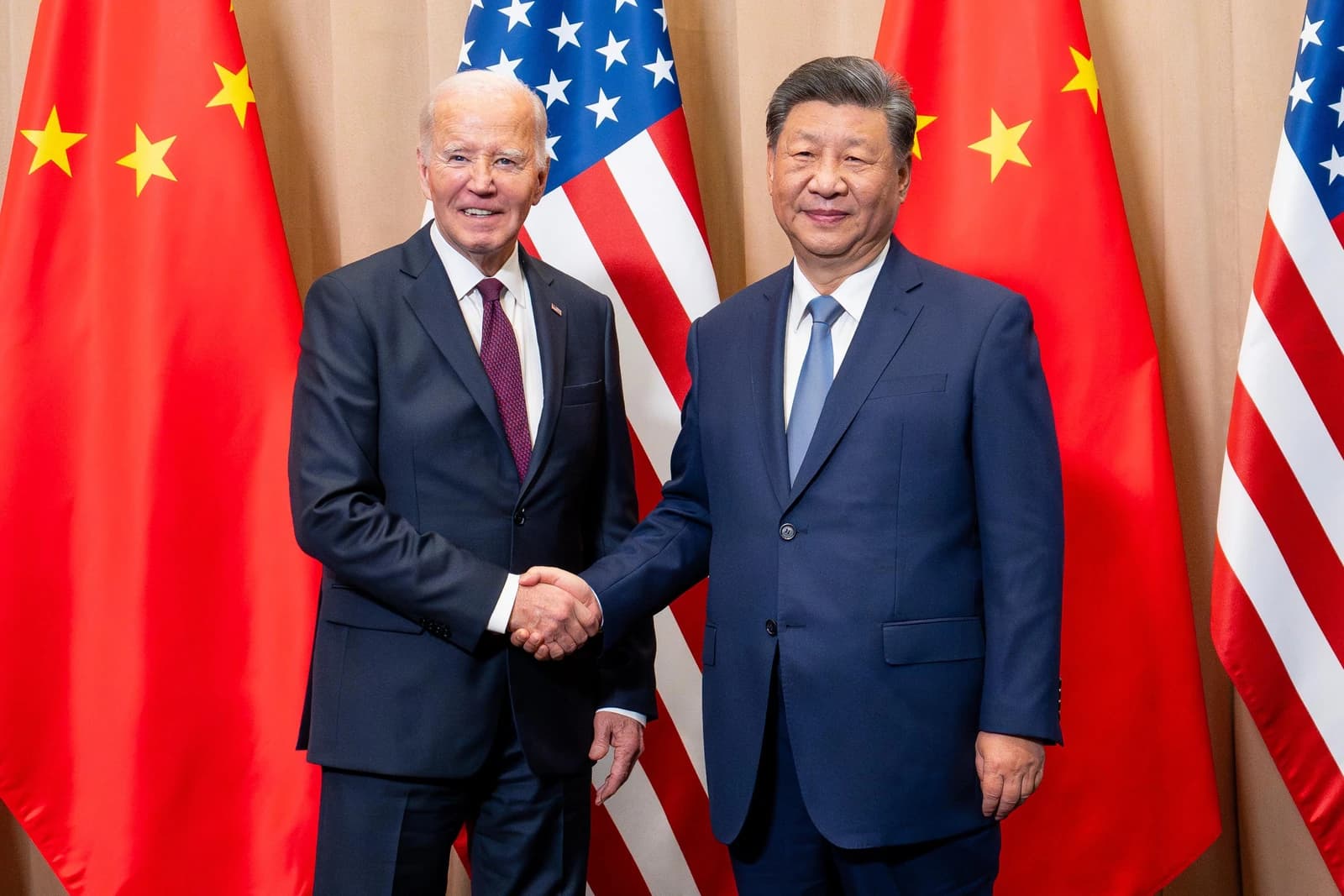
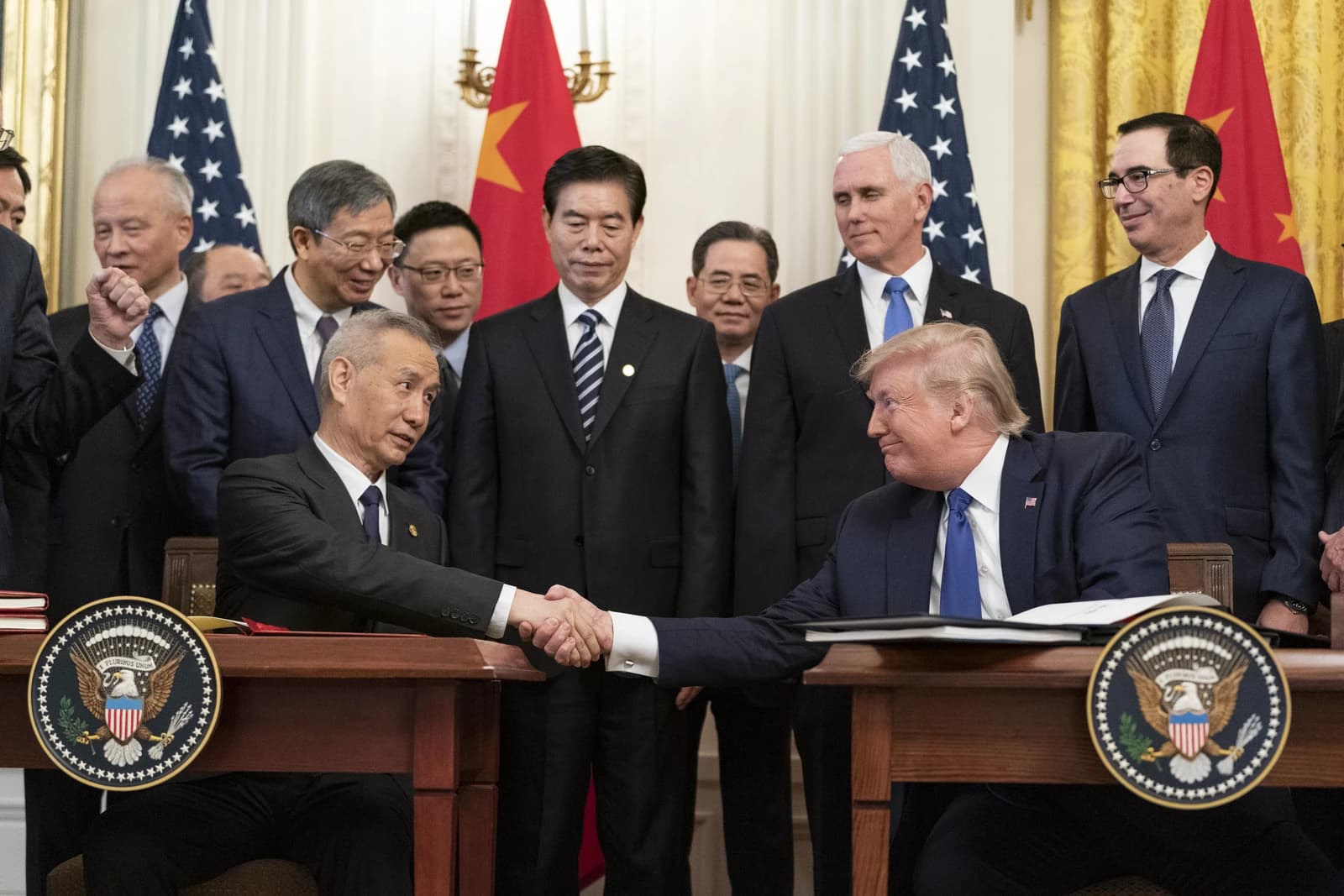
The export jump came after Washington and Beijing agreed to a 90-day tariff truce that also opened the door for China to ship more rare earths, while the U.S. eased some restrictions on technology exports, including advanced Nvidia chips to China. For investors, that matters because it signals a temporary thaw in a trade conflict that had been hitting real industrial activity, not just headlines. China’s earlier restrictions on rare earth exports were already disrupting global supply chains, and Brussels had warned about the strain on European manufacturers.
Even so, the data show this is more reprieve than resolution. China’s total rare earth exports in June were still 38% below the same month a year earlier, and rare earth magnet exports were down nearly 19% in the first half of the year. That tells you the system remains fragile and that any renewed escalation could quickly choke off supply again. The market should read this as a tactical easing, not a structural fix.
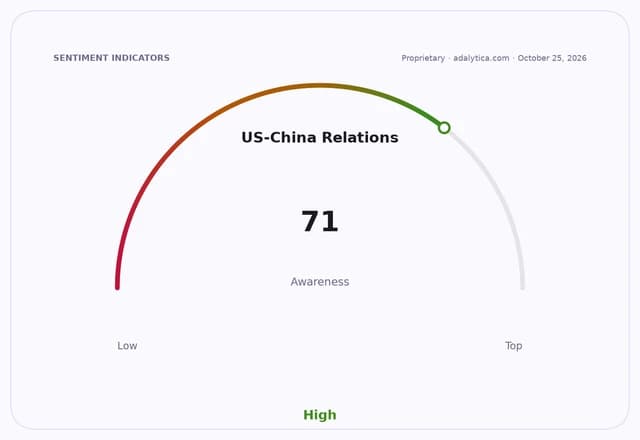
That creates an investable setup. The biggest winners from a more predictable export channel are downstream manufacturers that depend on magnets and specialty materials, while the long-term strategic winners remain the companies building non-China supply chains. Rare earth producers and magnet developers outside China still have the strongest multi-year thesis, because every new trade flare-up reinforces the need for supply diversification, recycling capacity and domestic processing.
Among the listed beneficiaries, U.S. rare earth names and funds tied to the sector can remain volatile, but they sit at the center of the reshoring trade. MP Materials, tracked by the USAR ticker in the price data, still represents the most direct domestic rare earth leverage, even after recent technical weakness. The broader rare earth ETF REMX has also sold off sharply, which may be exactly the kind of dislocation that long-term investors look for when the market prices in near-term relief but underestimates the policy premium that remains embedded in the sector.
The key takeaway is that this is not just a trade headline. It is another reminder that rare earths have become a geopolitical toll road: whoever controls supply can shape industrial margins, and whoever can build alternatives can capture years of capital flows. If you want exposure to the next leg of the AI, EV and defense buildout, the rare earth supply chain remains one of the most asymmetric places to position before the market fully reprices the risk.
| Entity | Gains | Losses |
|---|---|---|
| China rare earth exporters | ▲Higher US shipments | ▼Less pricing leverage |
| US manufacturers | ▲Easier material supply | ▼Still exposed to China risk |
| MP Materials / USAR | ▲Domestic supply-chain demand | ▼Near-term price volatility |
| REMX holdings | ▲Policy-driven diversification trade | ▼China supply normalization can cap upside |