Copper’s supply squeeze looks increasingly structural, not cyclical, and that matters because the market may be forced to ration demand through higher prices long before new mines can materially lift output.
Copper supply squeeze may stay structural, Goldman says
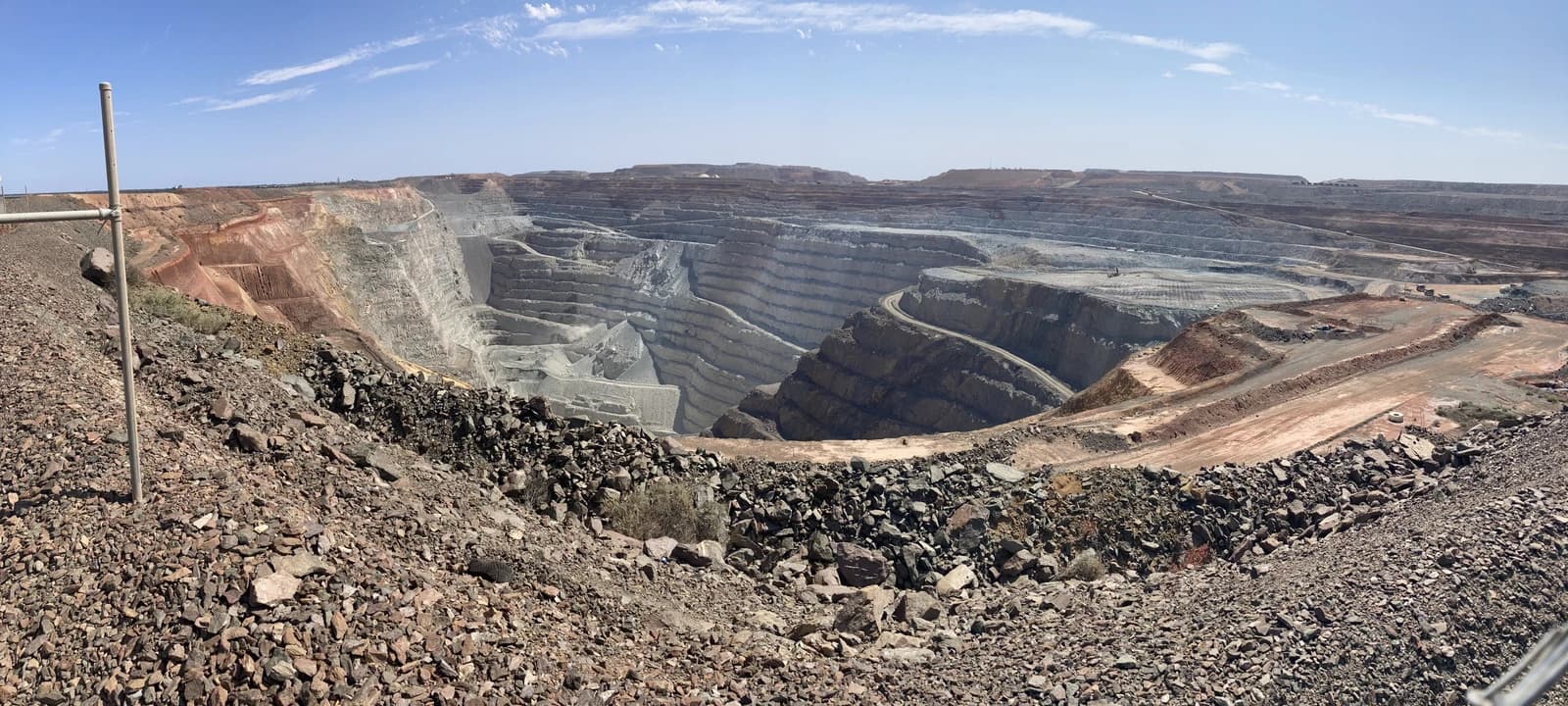
Goldman Sachs said the median copper mine now takes more than 16 years from discovery to first production, a timeline that leaves little room for a quick supply response even if prices stay firm. The bank also expects output from existing mines to start declining from 2030, raising the risk that the market moves into a tighter phase just as electrification, grid buildout and data-centre investment keep underlying demand resilient.
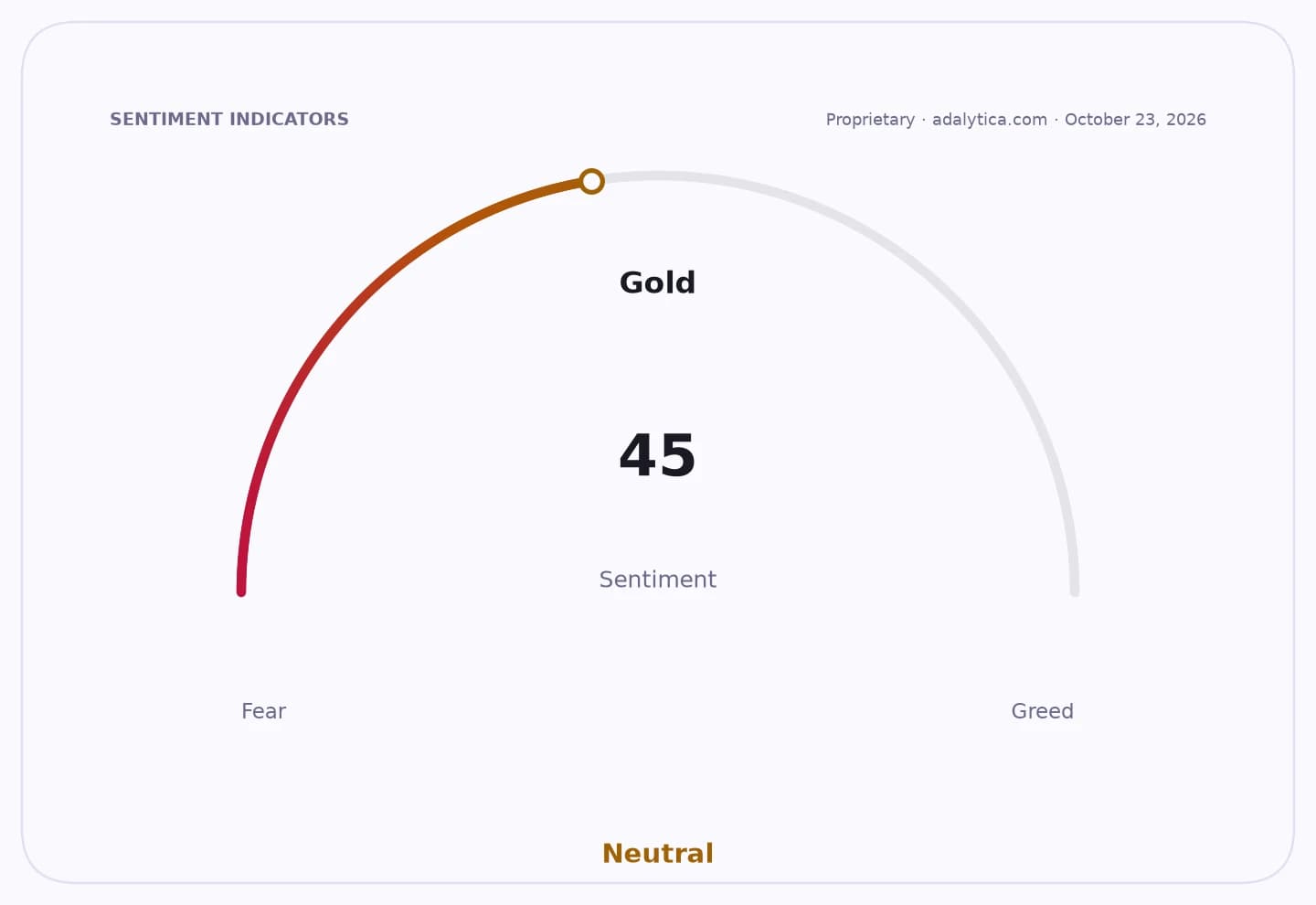
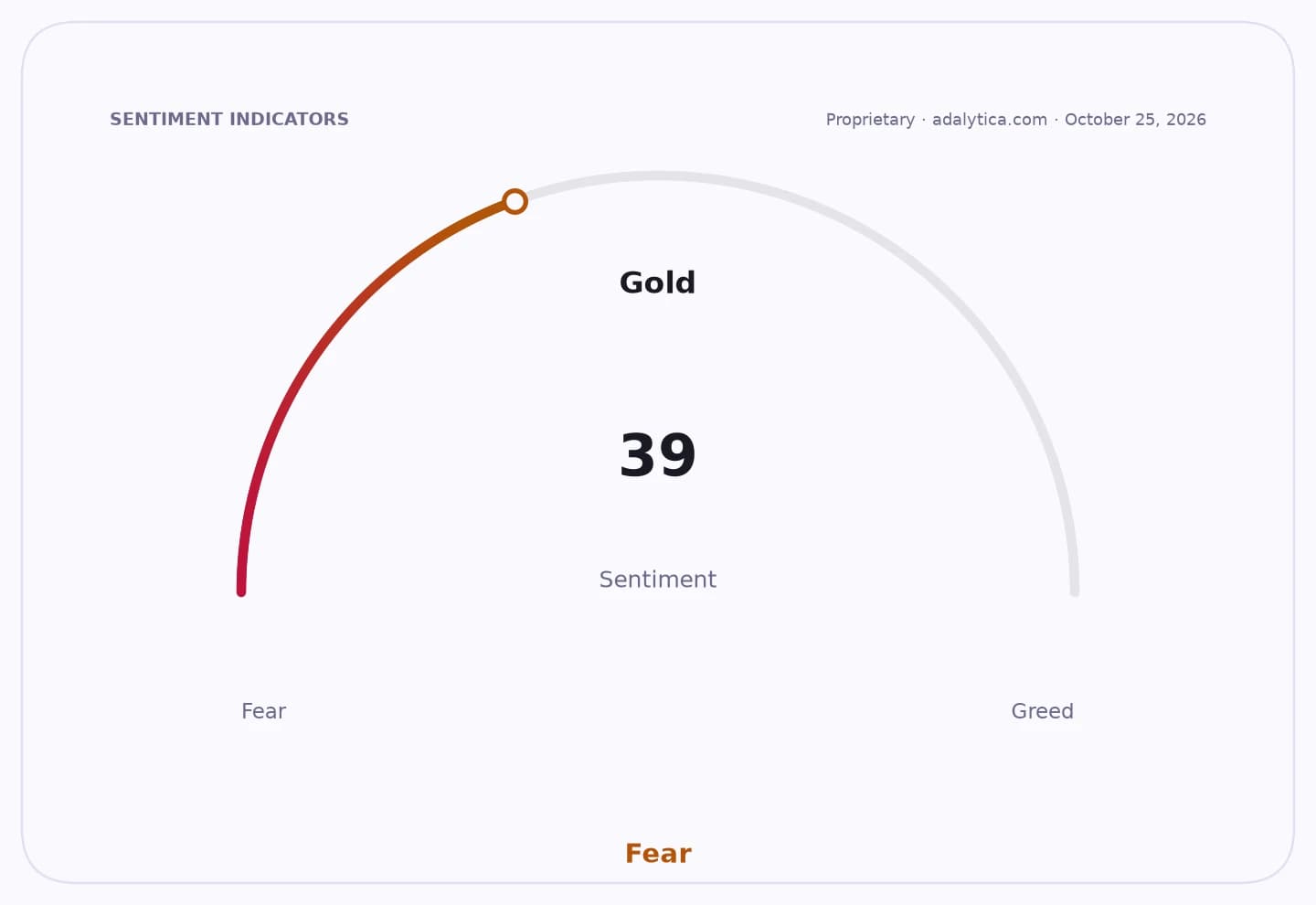
Sentiment IndicatorsⓘProprietary · adalytica.com · October 26, 2026
This is a snapshot — live sentiment, awareness and momentum for 130+ markets update continuously in the dashboard.Open AlphaPulse
That is why the usual commodity cycle playbook may not work. In most markets, higher prices eventually trigger more supply; in copper, Goldman argues the adjustment has to come mainly through price because the projects that can add meaningful tonnage are difficult, expensive and slow to replace. The bank said major discoveries have been falling since the 1990s, ore grades have deteriorated, particularly in South America, and new deposits are increasingly remote, lifting construction, operating and capital costs.
Goldman estimated capital intensity rises by about 50% between the pre-feasibility stage and first production, from $10,600 a tonne to $15,900 a tonne, and said its own project-level cost estimates are 25% to 90% above company studies. That gap highlights why even a strong copper price may not be enough to unlock a wave of supply within a typical investment horizon. It also helps explain why the sector has been re-rated: scarce, scalable copper assets are becoming more valuable precisely because they are hard to build.
The bank pointed to copper growth projects that could together add about $20 billion in net asset value and 1 million tonnes a year of production by late 2035. But that is a long-dated contribution, not a near-term fix. The practical implication is that miners with existing production, long reserve lives and credible expansion pipelines are likely to command a premium, while juniors and developers face a tougher financing environment and higher execution risk.
For investors, the story is less about a one-day move in copper and more about the earnings power of producers such as Freeport-McMoRan, Southern Copper and Teck Resources if the market continues to price in scarcity. Their shares have already reflected that theme in bursts this year, even as recent trading in the metal itself has been choppy amid weaker risk appetite and mixed demand signals. The wider backdrop remains supportive for the long term: the industry has warned that hundreds of billions of dollars in mine investment will be needed over coming decades to avoid shortages.
The key question now is whether capital is willing to fund that gap at a pace that offsets falling grades and aging mines. If it does not, copper prices will have to do more of the balancing, and the market may increasingly reward producers with the assets already in the ground rather than those still waiting to be built.
| Entity | Gains | Losses |
|---|---|---|
| Established copper producers | ▲Higher asset valuations | ▼Less benefit from low-cost supply growth |
| Copper prices | ▲Structural support from scarcity | ▼Near-term downside from weak risk appetite |
| Developers/juniors | ▲Potential premium for scarce projects | ▼Higher financing and execution risk |
| End users/manufacturers | ▲Supply is eventually secured by investment | ▼Higher input costs in the interim |