Imported iron ore margins in China narrowed to 9.62 yuan a metric ton as higher brand premiums and softer spot prices squeezed traders, underscoring a market where mills are buying only what they need and upside looks limited for now.
China iron ore margins narrow as prices soften
That matters because iron ore is flashing a clear warning on the health of China’s steel complex: mills are still loss-making, port inventories are rebuilding and restocking remains hand-to-mouth. In plain terms, the cash economy behind one of the world’s biggest commodity chains is weak enough that even a modest change in branded ore premiums can erase profitability for importers.
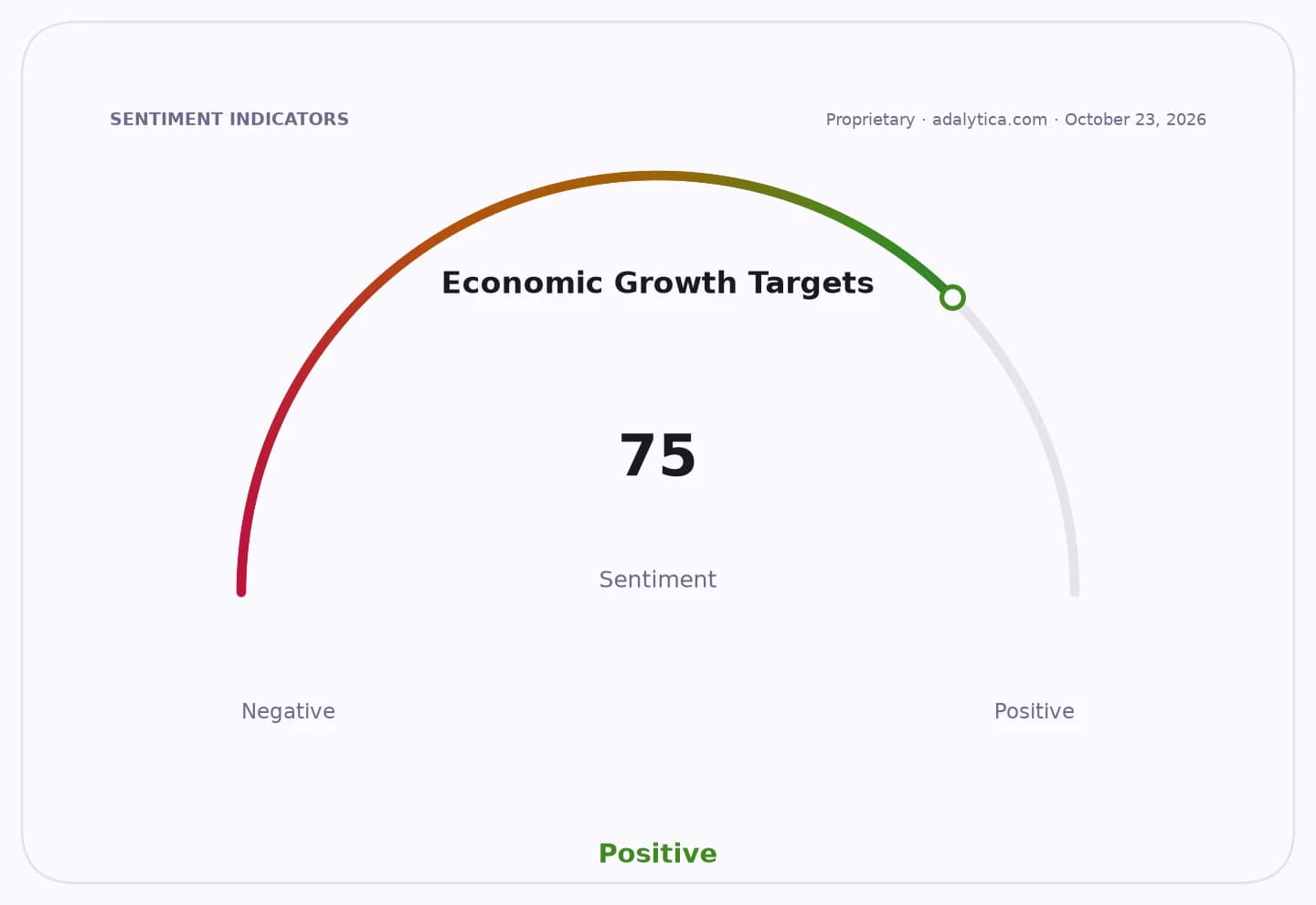
Sentiment IndicatorsⓘProprietary · adalytica.com · October 27, 2026
This is a snapshot — live sentiment, awareness and momentum for 130+ markets update continuously in the dashboard.Open AlphaPulse
The margin compression also shows why iron ore prices have struggled to sustain rebounds. SMM said futures lost momentum after a brief recovery and spot prices eased, even as freight costs moved only modestly. The Australia-China route rose 0.49 a ton week on week to $11.91 on Oct. 19, while Brazil-China freight slipped to $30.46, leaving net CFR cost changes limited. The bigger pressure came from pricing power at the brand level, not shipping.
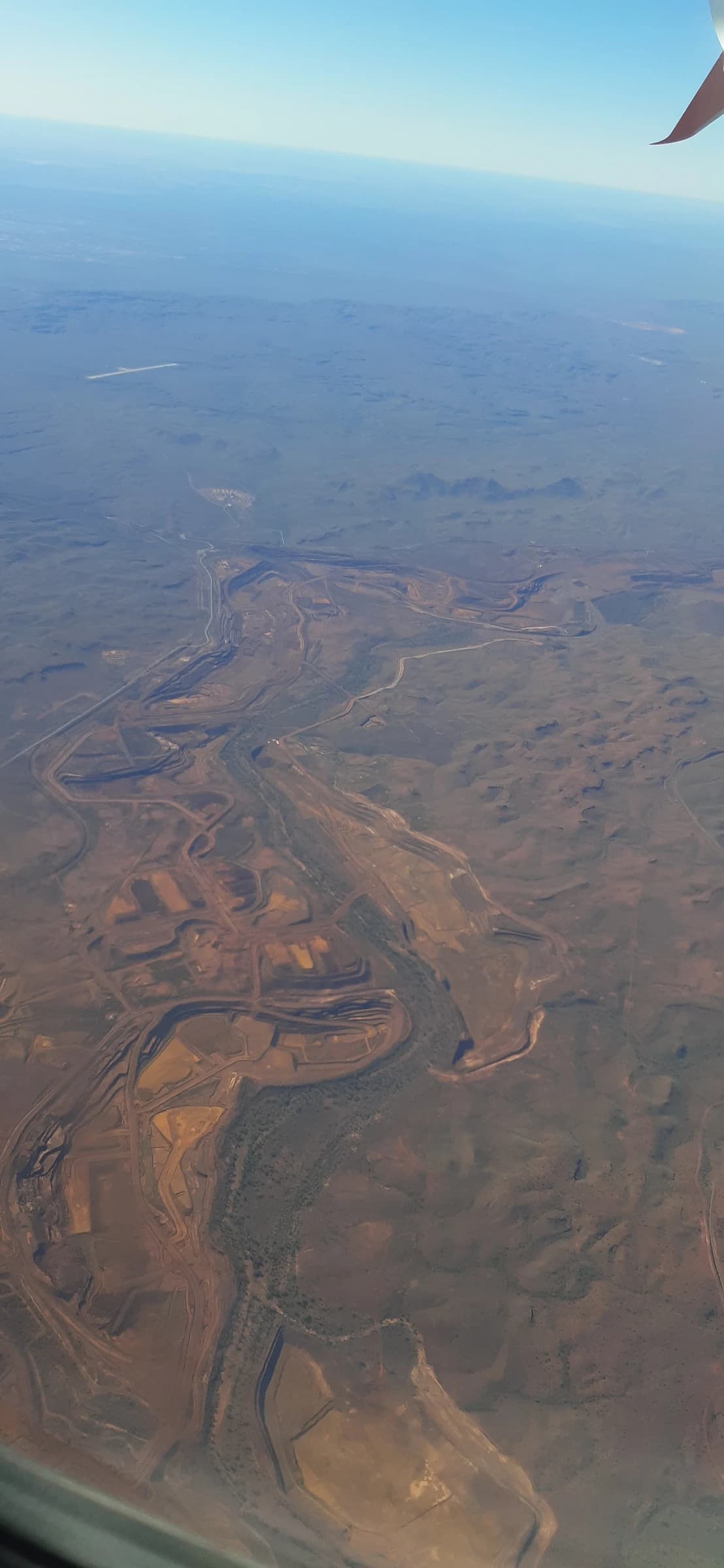
On the supply side, BHP’s latest quarterly report did little to change the broad picture. Western Australia Iron Ore output rose 2.4% year on year to 71.91 million tons on a 100% basis, with full-year guidance unchanged at 286 million to 298 million tons. Lump sales accounted for 27.9% of WAIO volumes, the lowest in five quarters, but mainstream supply remained steady. That combination argues against any near-term supply squeeze capable of driving a sustained rally.
For investors, the message is less about one day’s margin reading than about the earnings power of the entire iron ore ecosystem. Producers such as BHP and Rio Tinto still have scale and cost advantages, but a range-bound price environment limits leverage to volume growth. Vale, too, remains exposed to the same China demand weakness. The market underestimates how quickly weak steel margins in China can cap iron ore prices even when seaborne supply is disciplined.
The broader trade backdrop is also becoming more important. China’s push to gain more influence over iron ore price discovery has already sharpened tensions with major miners, while warnings about possible production cuts later this year show how fragile negotiations have become. If China keeps pushing back on pricing, premium-heavy cargoes will likely remain the battleground, and margins for importers will stay thin.
The investable setup is straightforward: this is not a breakout commodity tape, but a stock-picking environment. Favor low-cost producers with robust balance sheets and diversified earnings power, while treating pure iron ore beta as a trading vehicle rather than a long-duration bet. Until Chinese steel demand improves, the best opportunities are in resilience, not in chasing a rebound that the market still does not have the demand to justify.
| Entity | Gains | Losses |
|---|---|---|
| Low-cost miners | ▲Stable volumes, cost advantage | ▼Limited price upside |
| Iron ore importers | ▲Some arbitrage opportunities | ▼Narrower margins |
| Chinese steel mills | ▲Lower raw material costs | ▼Weak end-demand persists |
| Pure iron ore bulls | ▲Volatility for trading | ▼Range-bound prices |