Copper prices have stopped falling and bounced modestly, but that has not been enough to unlock China’s copper scrap market, where secondary rod makers are still holding back purchases and traders remain reluctant to sell.
China copper scrap market stays weak after price bounce

The split matters because scrap is a crucial marginal source of refined copper supply. If buying does not recover even after a price rebound, it suggests downstream demand is still too weak to clear inventories or support a broader restocking cycle. That leaves the market vulnerable to choppy pricing rather than a sustained recovery, and it keeps pressure on secondary copper processors whose margins depend on narrower spreads and active turnover.
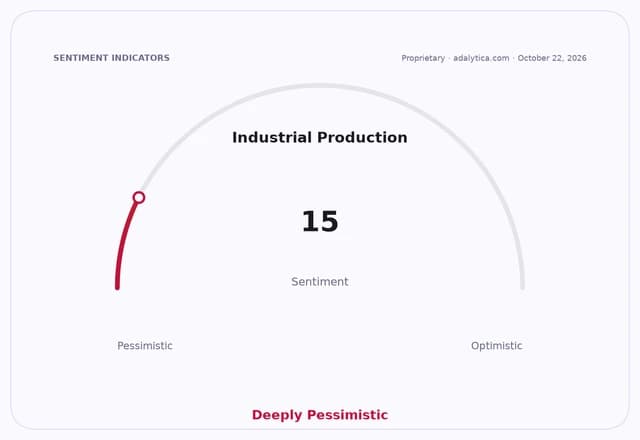
Sentiment IndicatorsⓘProprietary · adalytica.com · October 22, 2026
This is a snapshot — live sentiment, awareness and momentum for 130+ markets update continuously in the dashboard.Open AlphaPulse
On Thursday, copper futures in China settled at 110,170 yuan a metric ton, up 560 yuan from the previous session. The average spot premium rose to 825 yuan a ton, while the price gap between copper cathode and copper scrap widened to 3,524 yuan a ton, up 730 yuan day on day. Yet SMM said purchasing by secondary copper rod enterprises had not recovered, and many scrap-consuming firms judged the market to be neither falling sharply nor rising enough to justify restocking.
That hesitation is telling. In a normal upturn, a wider cathode-to-scrap spread tends to encourage scrap use because it improves the economics of secondary production. Instead, transactions remain thin, implying buyers are still waiting for either a clearer directional move in copper or better end-market orders before committing cash. Scrap traders, for their part, are also unwilling to cut offers aggressively, which keeps the market stuck in a low-liquidity standoff.
The backdrop is consistent with a broader but fragile industrial recovery. China’s industrial production readings have improved only gradually, while market sentiment around growth remains cautious. At the same time, copper’s recent rebound has been supported more by price stabilization and macro hopes than by evidence of a durable pickup in physical consumption. That leaves the market exposed if demand from construction, electrical equipment and other copper-using sectors fails to strengthen.
For investors, the message is that copper’s price bounce may not yet translate into a better earnings outlook for the downstream recycling chain. Secondary rod producers, scrap processors and traders are likely to face pressure from weak volumes even if headline prices firm. By contrast, primary copper miners and cathode producers are better positioned if the cathode-scrap spread stays wide, though they too would need stronger final demand to turn price support into sustained margin gains.
The next test is whether the post-rebound copper price can hold above current levels long enough to trigger restocking. If it does not, the scrap market may continue to drift in a holding pattern, with limited turnover and little sign of a meaningful pickup in secondary copper consumption.
| Entity | Gains | Losses |
|---|---|---|
| Primary copper miners / cathode producers | ▲Wider cathode-scrap spread | ▼Weak downstream restocking |
| Secondary rod makers | ▲Potential margin relief | ▼Low transaction volumes |
| Scrap traders | ▲Higher nominal asking prices | ▼Slow inventory turnover |
| Copper buyers | ▲Waiting for clearer direction | ▼Missed restocking window |