Vietnam’s domestic silver market is trading at sharply different levels by retailer, with Phu Quy Jewelry Group quoting more than 2 million dong per tael for the first time in the latest survey, underscoring how tight supply, dealer spreads and volatile international prices are feeding into local prices.
Vietnam silver prices top 2 million dong at Phu Quy
At Phu Quy, silver was listed at 1.989 million dong a tael for buying and 2.051 million dong for selling on Oct. 19, well above the 1.751 million-1.822 million dong range seen at other venues in Hanoi and Ho Chi Minh City. The gap matters because it raises transaction costs for retail buyers and signals that domestic silver pricing is fragmented rather than moving in lockstep across the market.
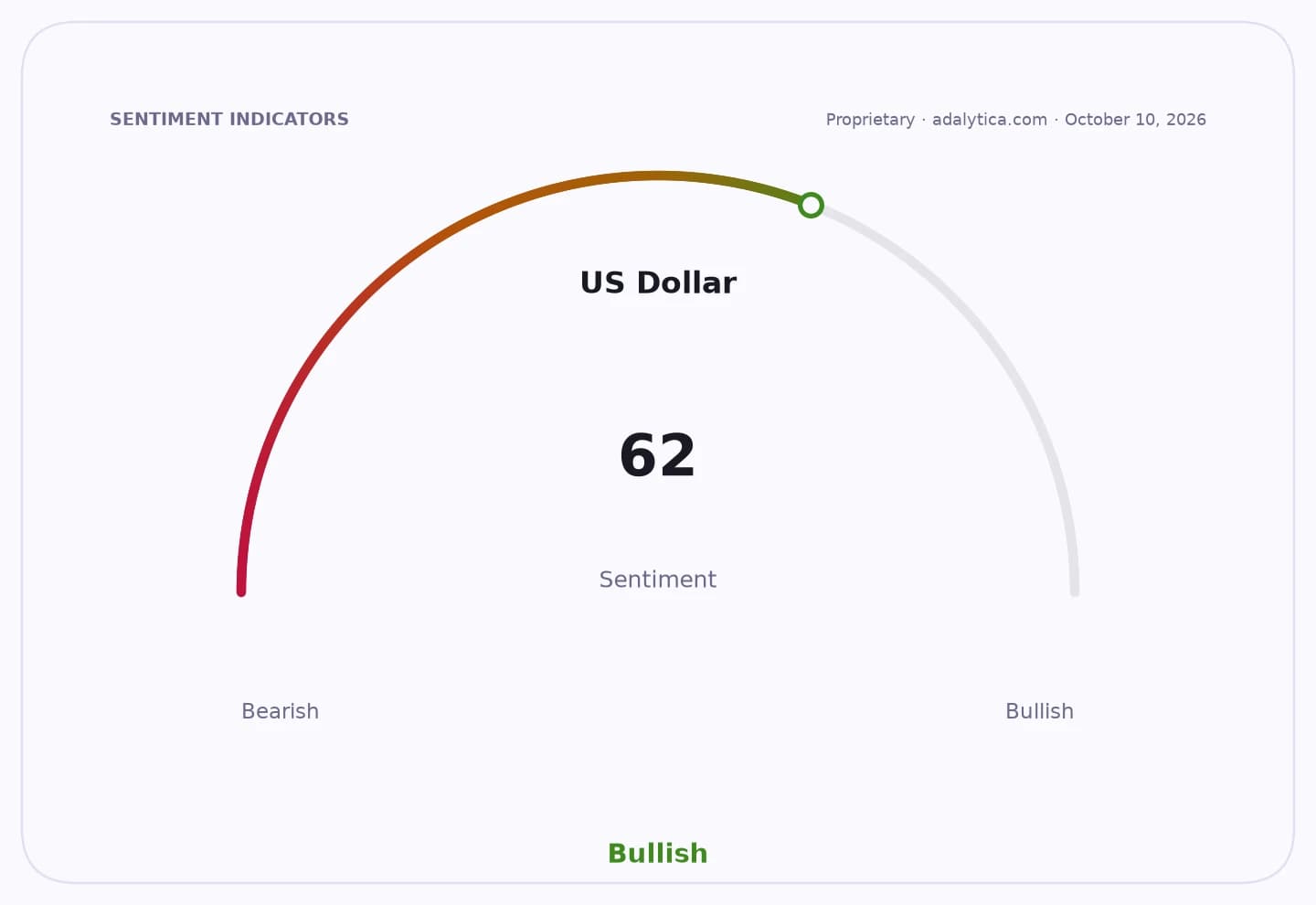
Sentiment IndicatorsⓘProprietary · adalytica.com · October 22, 2026
This is a snapshot — live sentiment, awareness and momentum for 130+ markets update continuously in the dashboard.Open AlphaPulse
The premium is landing in a market already being pulled in opposite directions. Globally, silver was quoted at $56.84 an ounce, while benchmark U.S. 10-year Treasury yields around 5.12% are keeping pressure on non-yielding assets such as precious metals. Oil prices have also risen, stoking inflation concerns that could keep the Federal Reserve cautious on rate cuts. Those forces tend to support safe-haven demand in bursts, but they also lift the opportunity cost of holding silver.
For investors, the most important point is that silver is no longer just following gold. The metal’s outlook now depends as much on industrial demand as on macro hedging flows, and that creates a more complicated trade. A softer U.S. dollar typically helps precious metals, but that support can be capped if yields stay elevated and risk appetite remains fragile. If manufacturing activity weakens, silver’s dual role as both an investment and industrial metal could turn from a tailwind into a drag.
The move also has local market implications. Vietnam buyers are being forced to compare not only quoted prices but also product purity, format and fees before transacting, which can slow demand at the margin and widen the advantage for larger dealers with stronger pricing power. For traders, the key catalysts remain U.S. economic data, Fed expectations and geopolitical risks that could revive safe-haven buying. If those drivers ease while yields stay high, silver’s recent strength may prove difficult to sustain.
| Entity | Gains | Losses |
|---|---|---|
| Phu Quy | ▲Wider pricing power | ▼Price-sensitive buyers |
| Silver holders | ▲Higher local valuations | ▼New entrants to the market |
| Industrial users | ▲Potential supply normalization | ▼Retail buyers facing large spreads |
| U.S. yield hawks | ▲Higher carry on cash and bonds | ▼Non-yielding metals buyers |