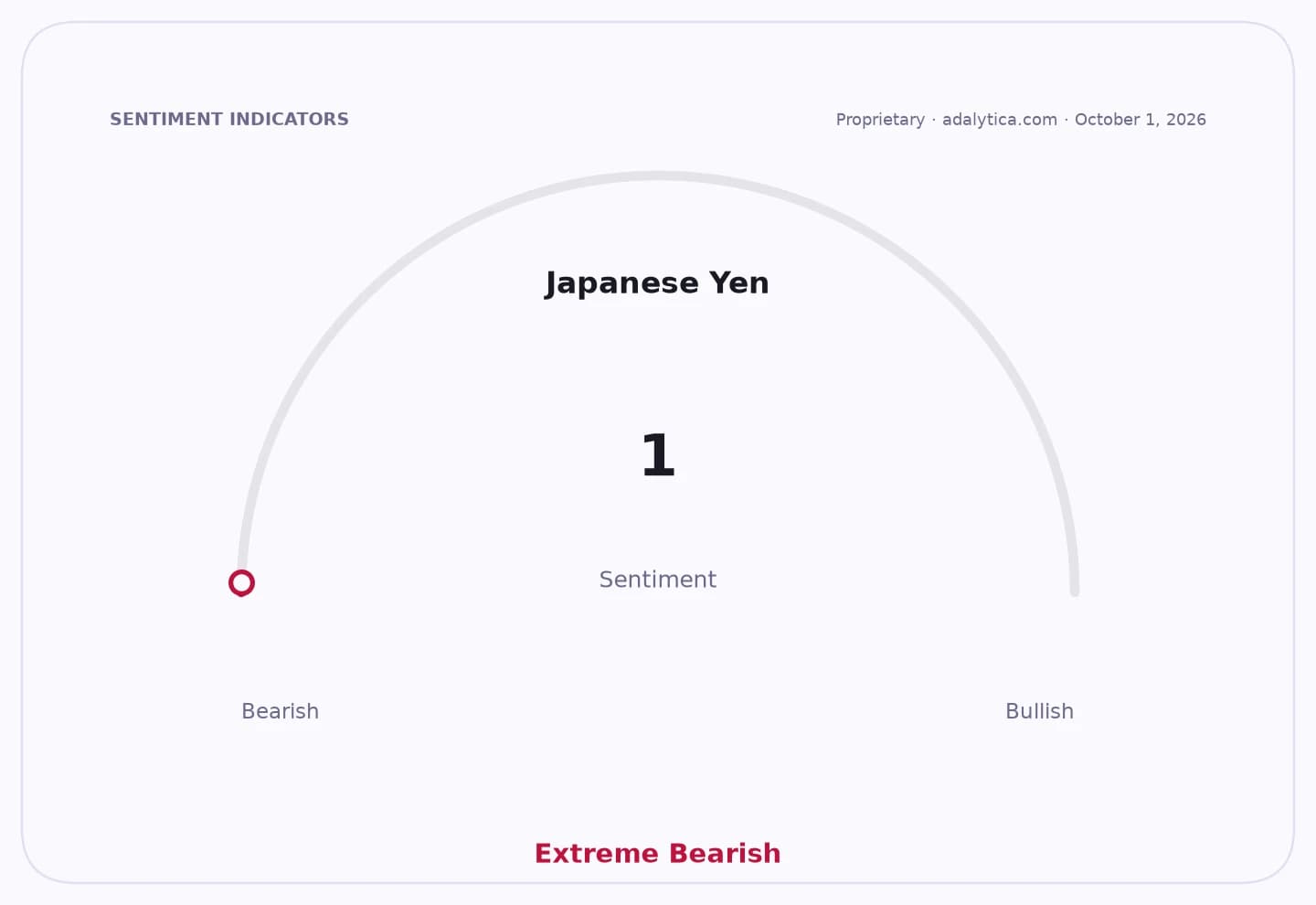
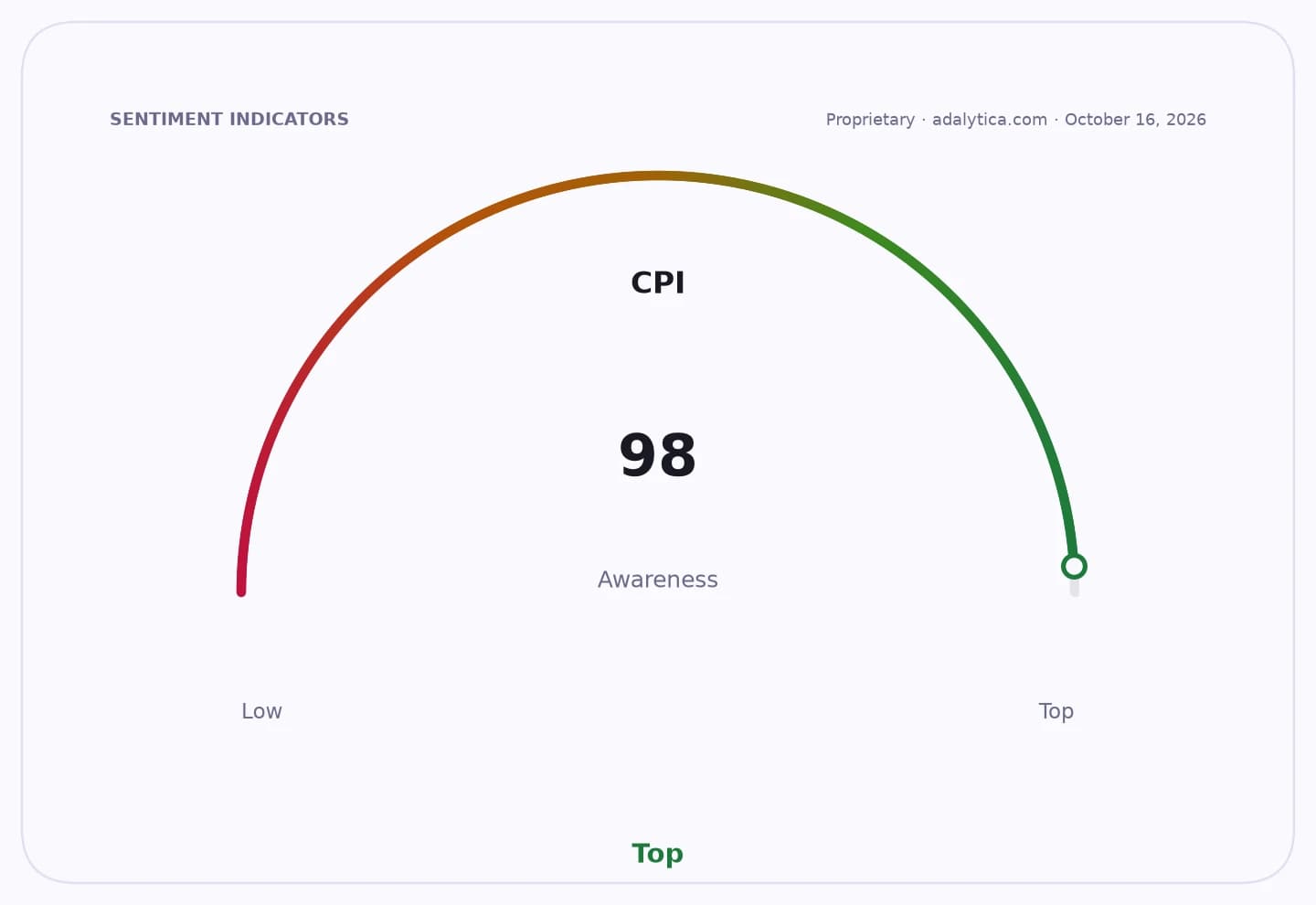
The dollar is pausing rather than surging, and that matters because it leaves Vietnamese buyers facing a market where domestic USD prices are steady even as the greenback softens overseas.
Dollar Pauses as USD/VND Stays Flat in Vietnam
On 19 October, the dollar index slipped 0.42% to 102.23 after a week in which expectations for another Federal Reserve rate hike faded. CME FedWatch put the odds of the Fed holding rates at its late-October meeting at 83%, up sharply from 49% a month earlier, underscoring how fast rate expectations have shifted. That has helped cool the dollar globally, but the move has not translated into a clean decline in Vietnam’s retail market.
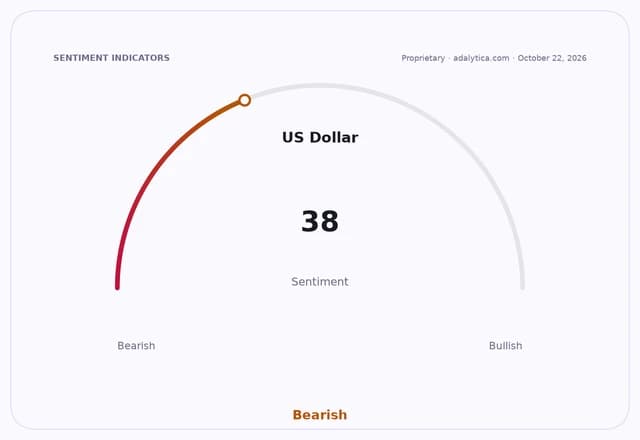
Sentiment IndicatorsⓘProprietary · adalytica.com · October 22, 2026
This is a snapshot — live sentiment, awareness and momentum for 130+ markets update continuously in the dashboard.Open AlphaPulse
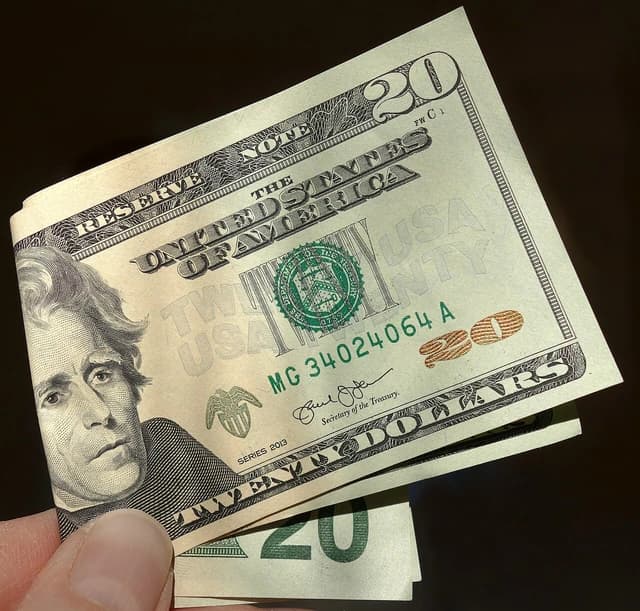
At home, the State Bank’s central rate held at 25,637 dong per dollar, while commercial banks kept quotes unchanged from the prior session. Vietcombank listed USD at 25,670-26,080 dong, VietinBank at 25,530-26,070 dong and BIDV at 25,685-26,065 dong. The free market was also flat, with dealers quoting 26,038-26,138 dong. In other words, the domestic market is levelling off rather than repricing lower in step with the offshore move.
That disconnect is economically important. USD/VND is driven not only by the dollar’s global direction, but also by local supply-demand balance, corporate settlement needs and import-export flows. A weaker dollar index does not automatically mean cheaper dollars in Vietnam, especially when domestic payment demand remains firm. That is why the immediate question for households and firms is not whether the dollar is weaker in New York, but whether local liquidity and settlement demand will keep the exchange rate pinned near current levels.
For investors, the setup is a warning against momentum buying. If the dollar’s overseas slide stalls, a flat domestic market could leave recent buyers sitting on wide bid-ask spreads rather than gains. The difference between buying and selling prices at banks and in the informal market is already large enough to erode short-term returns, especially for anyone speculating on currency appreciation rather than using dollars for travel, tuition or trade payments.
The broader backdrop is still dollar-negative but unstable. Inflation that proves stickier than expected could reverse the recent softening by reviving bets on higher-for-longer US rates. Conversely, weaker US growth and lower Treasury yields would keep pressure on the dollar. Geopolitical tensions, oil prices and the technology-led risk rally also remain in play, reinforcing a trading environment in which the dollar can rebound quickly if risk aversion rises.
For now, the practical message is straightforward: dollar buyers with real payment needs should avoid trying to time a one-day move, while speculative buyers should be cautious about assuming the current lull will extend. The next decisive move in USD/VND will likely come not from today’s quiet quotes, but from the next shift in Fed expectations, US inflation data or global risk sentiment.
| Entity | Gains | Losses |
|---|---|---|
| Dollar buyers with immediate needs | ▲Price certainty | ▼Waiting for a better level |
| Banks and forex dealers | ▲Steady trading flow | ▼Speculative volume if volatility fades |
| Vietnamese importers | ▲Stable planning costs | ▼Little relief if USD stays firm |
| Currency speculators betting on quick USD gains | ▲— | ▼Wide spreads and flat prices |