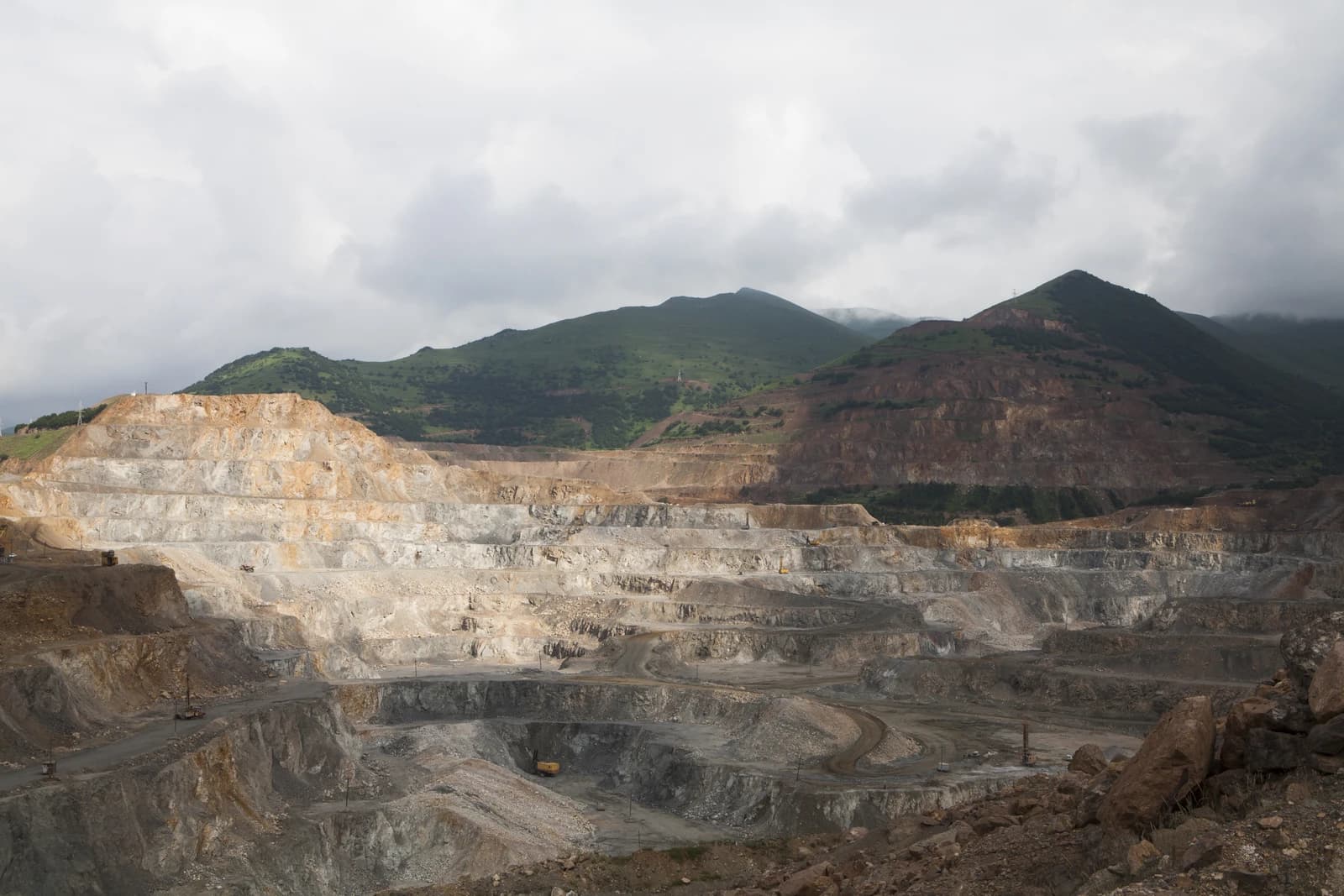
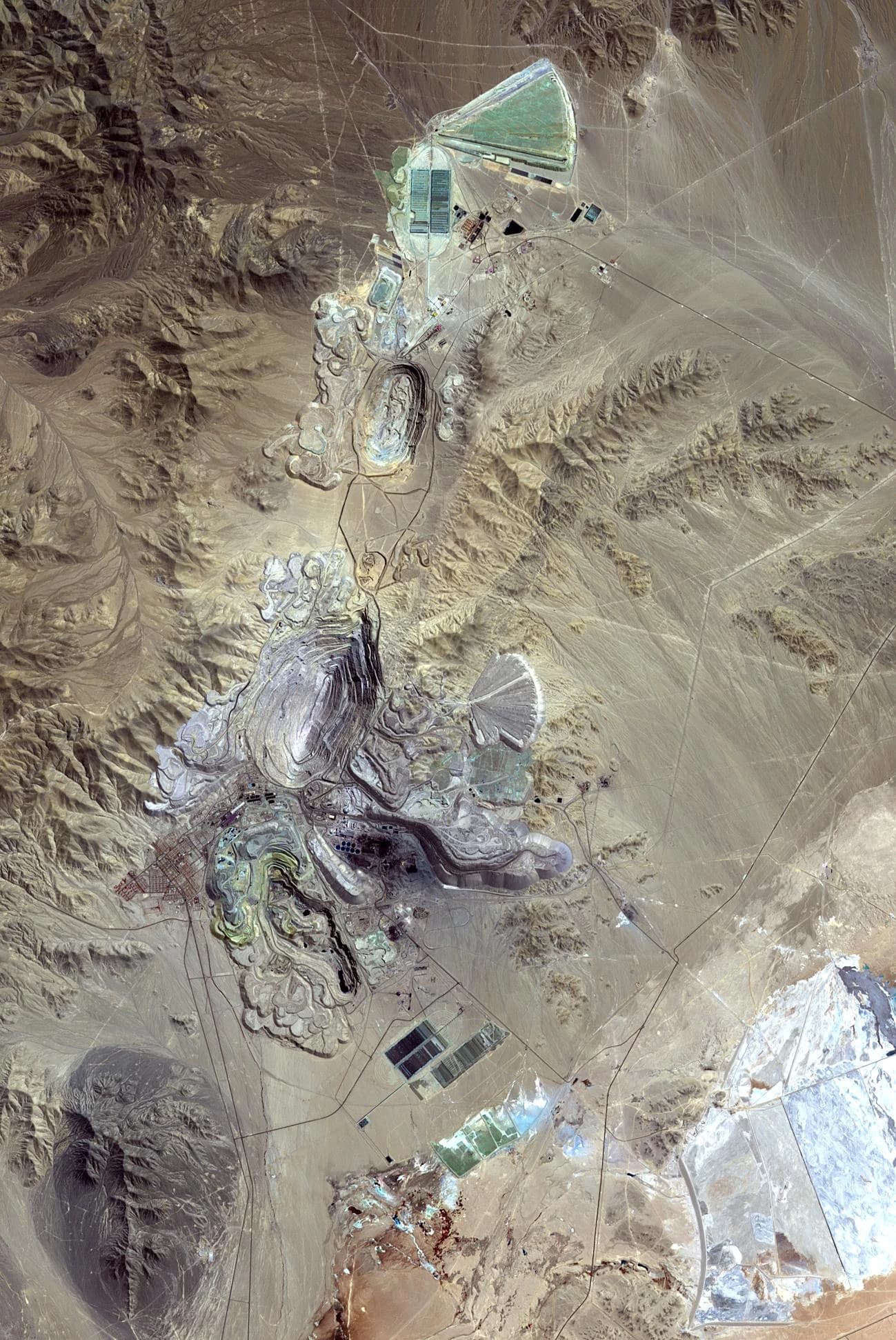
Copper is holding near $14,300 a ton in early October because the market is running into a very familiar problem: there is not enough material getting out of the ground fast enough.
Copper Holds Near $14,300 on Tight Supply
That matters far beyond the metals pit. Copper is the wiring of the modern economy, used in power grids, electric vehicles, data centers, homes and factories. When supply tightens, prices can stay elevated even if global growth is uneven, and that tends to reward miners with the best ore bodies while squeezing smelters, fabricators and downstream buyers that cannot easily pass on higher costs.
Sentiment IndicatorsⓘProprietary · adalytica.com · October 3, 2026
This is a snapshot — live sentiment, awareness and momentum for 130+ markets update continuously in the dashboard.Open AlphaPulse
The latest support is coming from several directions at once. Output at some major mines is slipping, inventories are low, and China is still dealing with a shortage of copper concentrates. Add in persistent concern over possible labor disruptions in Chile, where output has fallen to a 15-year low, and the market has little extra material to absorb any shock. Japanese smelter Furukawa has already said it will cut copper output by 3% in the second half of the year, underscoring how tight feedstock conditions have become.
That scarcity is showing up in equity prices too. The copper miners tracked by the COPX ETF have been volatile, but the broader trend has been constructive as investors chase exposure to a structurally tight market. Freeport-McMoRan and Southern Copper both remain well above their 200-day moving averages, a sign that the market still expects earnings from copper production to stay strong even after recent pullbacks. Southern Copper, in particular, has been able to keep shares elevated because the company is heavily leveraged to copper prices and has a large asset base in Peru and Mexico.
For long-term investors, the key point is that this is not just a one-week supply story. Copper demand is being pulled by electrification, grid upgrades and the build-out of AI infrastructure, all of which are hard to unwind. At the same time, new mine supply takes years to develop and faces permitting, labor and cost hurdles. That combination usually means price spikes can last longer than traders expect.
There are risks, of course. A stronger U.S. dollar can cap upside, sluggish industrial activity outside China can soften near-term demand, and a sharp slowdown in manufacturing would eventually cool the market. But the bigger picture still favors patience. When a foundational commodity stays expensive because supply is constrained, the companies with low-cost production and long mine lives can compound value over years, not days. For investors who want exposure to the electrification theme, copper remains worth watching closely and, on weakness, might be one to add to the watchlist.
| Entity | Gains | Losses |
|---|---|---|
| Copper miners | ▲Higher realized prices | ▼Higher operating and capital costs |
| Smelters/fabricators | ▲— | ▼Tight concentrate supply |
| Long-term investors in FCX/SCCO/COPX | ▲Stronger earnings leverage | ▼Volatility from dollar and growth swings |
| Industrial buyers | ▲— | ▼Higher input costs |