Armenia is moving closer to a rare and potentially lucrative advantage: a mineral base that could matter far more in the AI and electrification era than its lack of oil and gas ever did.
Armenia Copper Reserves and Mining Investment Outlook
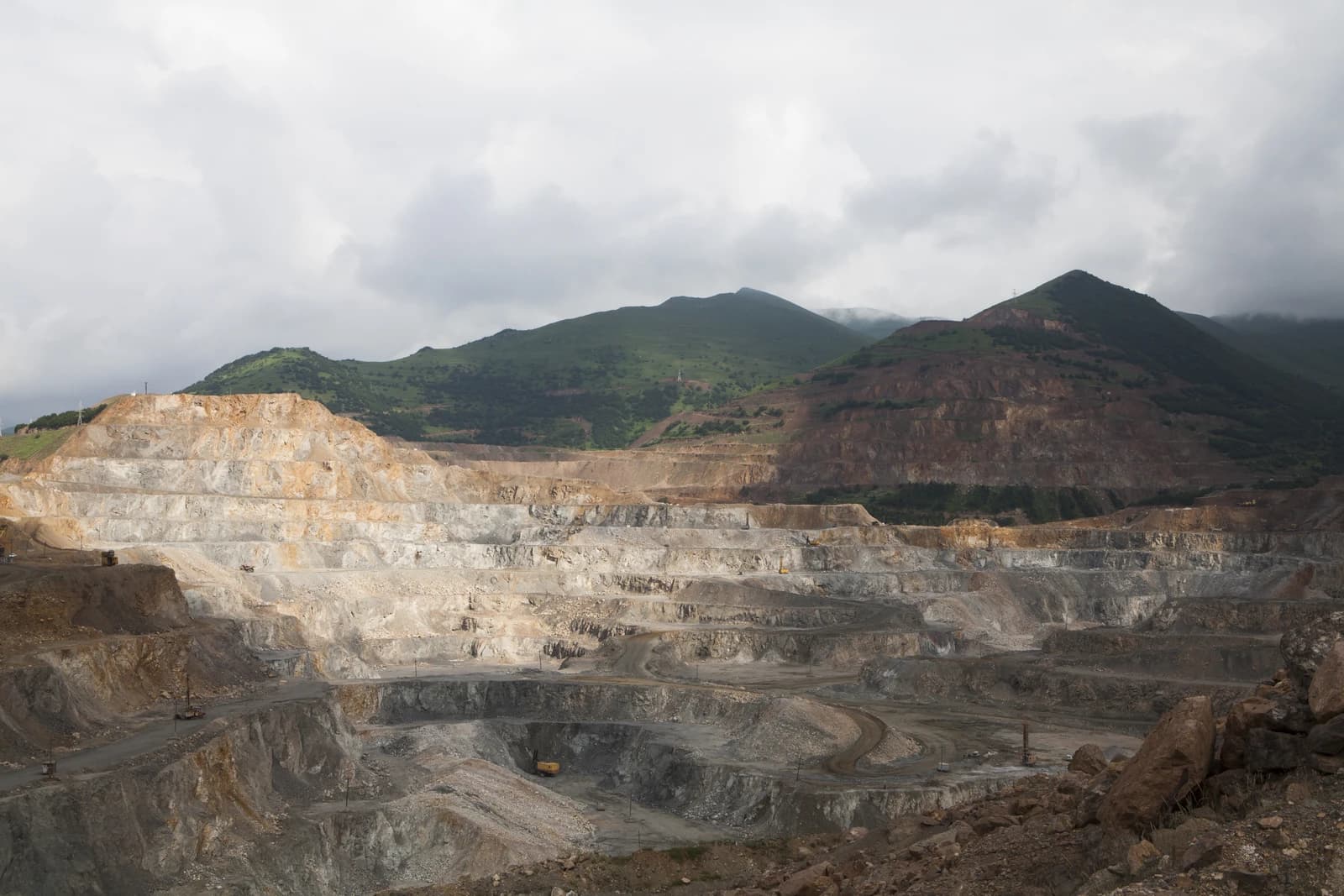
That is the core message from geologist Arshavir Hovhannisyan, who argues that copper, molybdenum and gold are Armenia’s real strategic assets, with copper standing out as the metal the country can anchor its long-term growth story on. For investors, the point is bigger than local geology. Copper is becoming an industrial bottleneck in a world building more grids, data centers, electric vehicles and advanced manufacturing, and that shortage is increasingly a capital-allocation story.
Sentiment IndicatorsⓘProprietary · adalytica.com · October 2, 2026
This is a snapshot — live sentiment, awareness and momentum for 130+ markets update continuously in the dashboard.Open AlphaPulse
The market already reflects the shift. Copper futures have been trading around $6.58 a pound, well above the 50-day moving average of $6.55 and the 200-day average of $6.12, with RSI readings near 63 showing sustained momentum. Shares of copper miners and copper proxies have also firmed, even after recent volatility, as investors position for a structural supply gap rather than a cyclical slowdown. COPX, the Global X Copper Miners ETF, closed at $85.91, while CPER, the United States Copper Index Fund, ended at $39.52, both near their shorter-term trend lines and still supported by a broader commodity bid.
That matters economically because Armenia is not pitching a speculative narrative about oil or gas that its geology cannot support. It is pointing to the one resource that is both abundant and indispensable. Hovhannisyan said Armenia could sustain current copper reserves for 50 to 100 years, but that the real prize is exploration. New deposits have been neglected for roughly 35 years, while extraction technology has improved and copper demand has accelerated. He cited Bloomberg estimates that global copper demand by 2030-2040 will require 10 to 15 new mines to come online every year, roughly the scale of major deposits such as Kajaran.
This is exactly the kind of setup markets tend to underestimate early. Copper is not just an input to wiring and construction anymore; it is a strategic input to the next phase of industrial expansion. A conventional car uses 10-15 kilograms of copper, while an electric vehicle uses more than 50 kilograms, and that excludes the metal needed for charging networks, power transmission, renewable buildout and the infrastructure behind AI compute clusters. In other words, the world’s electrification trade is still in the early innings, and copper is the toll road.
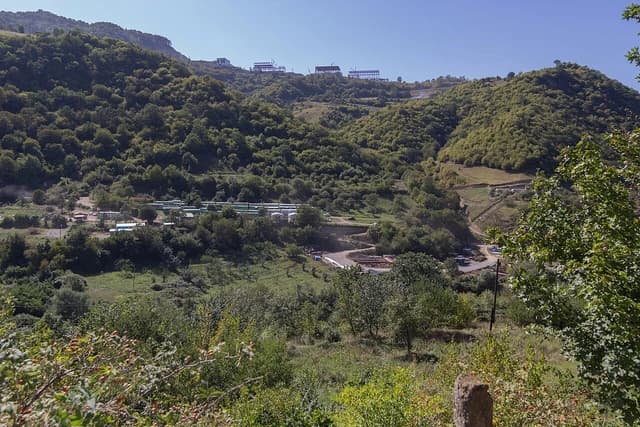
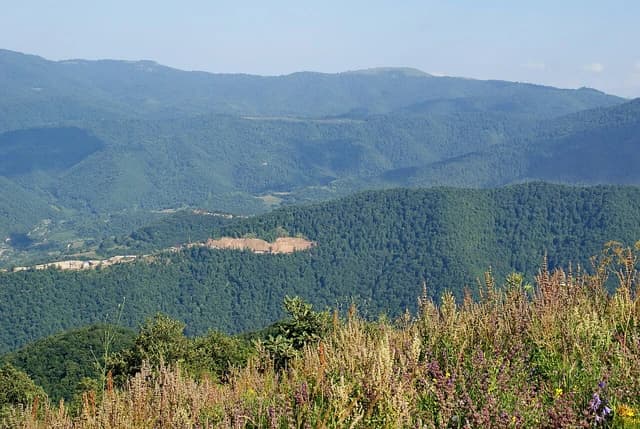
For Armenia, that creates an opening for a policy and investment rerating if the state makes exploration easier and channels capital into difficult, high-altitude deposits. Hovhannisyan said many of the country’s mines sit around 3,000 metres above sea level in hard-to-reach terrain, which raises costs and keeps large discoveries rare. But rare does not mean irrelevant. Even medium-sized deposits could support a much larger role for Armenia as a supplier to regional industry, especially if European demand for secure critical minerals keeps rising and if investors continue to rotate toward assets tied to supply security rather than pure GDP growth.
The geopolitical angle is equally important. Armenia lacks the hydrocarbons that have given other countries economic leverage, but copper, gold and molybdenum can still be strategic currencies in a world increasingly organized around mineral security. That is especially true as the U.S. dollar weakens in trade-signal terms and broader commodities retain support from supply tightness, mine disruptions and the push for friend-shoring. Countries with credible mineral inventories are likely to attract more attention from governments and strategic investors alike.
The investment implication is straightforward: the copper trade is no longer just about China demand or the spot price on the London Metal Exchange. It is about a multi-year scramble for supply, permits, reserve replacement and infrastructure access. Armenia is not yet priced like a critical-minerals beneficiary, but that is precisely why the opportunity is interesting. If exploration policy improves and private capital follows, the country’s copper and related metals could become a much larger part of its economic identity — and a far more investable theme than its absence of oil and gas.
For investors, the takeaway is to stay positioned for copper scarcity, not copper complacency. The likely winners are miners, exploration names, copper ETFs and infrastructure suppliers tied to electrification. The market is still trading this as a commodity cycle. I believe it is really a resource-security supercycle.
| Entity | Gains | Losses |
|---|---|---|
| Armenia’s copper miners | ▲Higher strategic value | ▼Neglected investment status |
| Copper ETFs and miners | ▲Supply-scarcity upside | ▼Demand-slowdown bets |
| EV, grid and AI builders | ▲Access to critical metal supply | ▼Input-cost pressure |
| Oil/gas-dependent narratives | ▲None | ▼Relevance in Armenia’s resource story |