Gold extended its slide Thursday, with December futures falling to $4,295.50 an ounce as a fresh jump in crude oil revived inflation worries and pushed investors toward higher yields and away from non-yielding bullion.
Gold Falls on Oil-Driven Inflation Worries
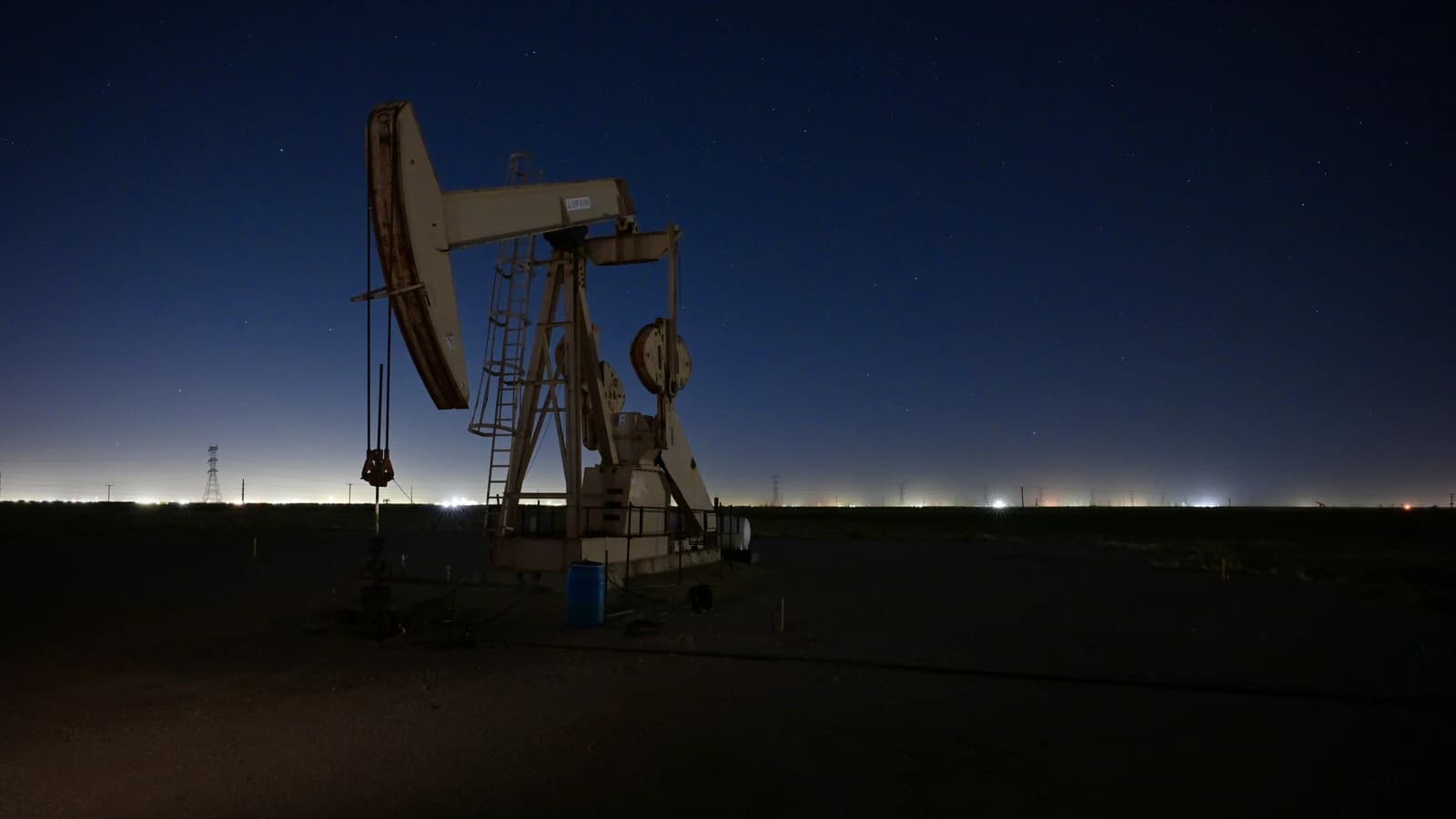
The move matters because gold’s latest pullback is not happening in isolation. It is being driven by a broader shift in the macro trade: oil is surging more than 3% as traders game the risk that tensions in the Middle East could threaten supply routes, including the Strait of Hormuz, while markets continue to parse conflicting signals from Washington and Tehran. When energy prices rise this fast, bond yields tend to follow, and that is a direct headwind for gold.
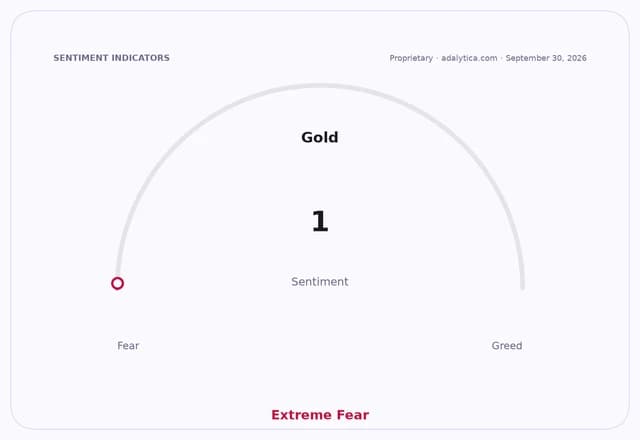
Sentiment IndicatorsⓘProprietary · adalytica.com · September 30, 2026
This is a snapshot — live sentiment, awareness and momentum for 130+ markets update continuously in the dashboard.Open AlphaPulse
The metal has already lost momentum after tumbling $58, or 1.3%, in the previous session. Thursday’s additional drop leaves it increasingly vulnerable after a run that had pushed it to elevated levels earlier in the year. On the technical side, gold remains below its 50-day moving average, and RSI readings around 28 point to a market that is oversold but still lacking a catalyst to reverse course. In other words, the trend is down until the oil shock cools or policy expectations shift.
Crude’s rebound is the key catalyst. Earlier this week, optimism over a possible easing in regional conflict had pulled oil back sharply, briefly helping gold regain some footing. But traders now appear to be tiring of vague headlines and want something concrete. Until there is clearer evidence of a de-escalation, energy inflation is likely to stay bid — and so is the pressure on precious metals.
That creates a straightforward investment message: this is not just a gold story, it is an energy-and-rates story. Rising oil prices strengthen the case for sticking with producers and infrastructure plays tied to the commodity cycle, while gold miners and bullion ETFs face a tougher tape if yields keep climbing. The market underestimates how quickly an oil-driven inflation scare can drain demand from defensive assets.
For investors, the trade is to stay selective. If oil keeps extending higher on geopolitical risk, the near-term winners are crude producers, tanker names, and energy infrastructure. Gold could still find support later if the conflict risk escalates further, but for now the market is voting with yields, and that vote is bearish for bullion.
| Entity | Gains | Losses |
|---|---|---|
| Crude oil producers | ▲Higher realized prices | ▼Demand uncertainty |
| Energy infrastructure | ▲Volume and spread tailwind | ▼Geopolitical volatility |
| Gold bullion / GLD | ▲Safe-haven bids if risk spikes | ▼Higher yields, stronger oil |
| Gold miners | ▲Potential rebound on panic | ▼Margin pressure from weaker bullion |