Azerbaijan is moving to turn its metal and ore reserves into a bigger source of foreign exchange, with President Ilham Aliyev ordering a four-year development programme for the mining and metallurgy sector that officials say could generate more than 5,000 jobs and add over 1 billion manats of annual financial benefit.
Azerbaijan orders mining and metallurgy development plan
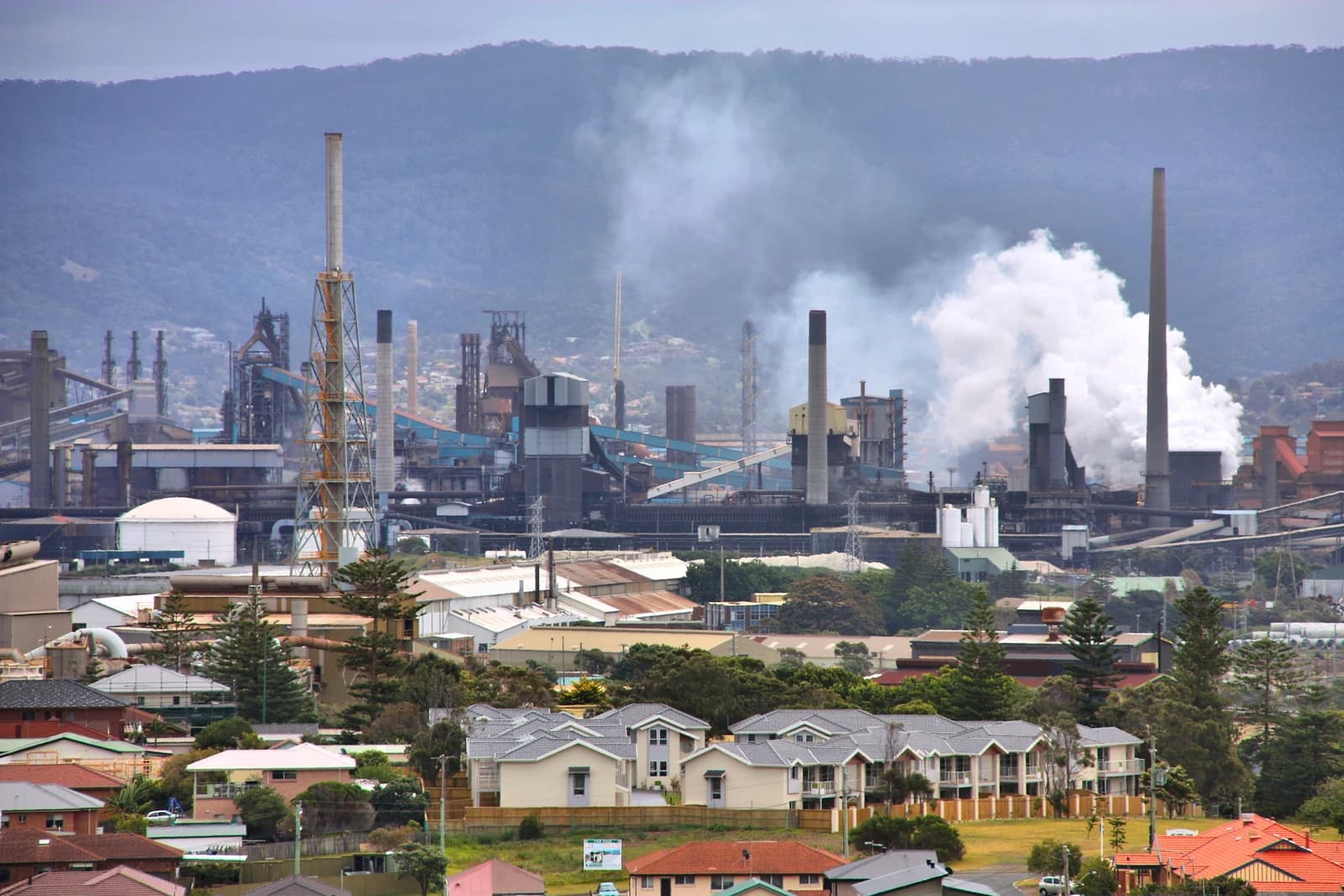
The economic logic is straightforward: processing metals at home rather than exporting raw ore captures more of the value chain, raises export receipts and reduces dependence on oil and gas. For an economy still heavily shaped by hydrocarbons, that matters because it broadens the base of hard-currency earnings at a time when governments across the region are seeking more resilient sources of external income.
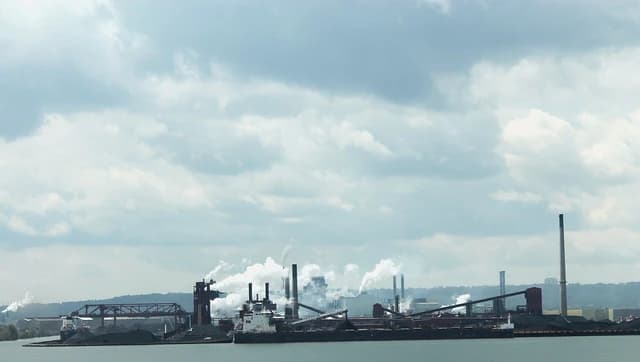
The programme, to be fully implemented in 2027-2030, is being framed not just as an industrial policy but as a regional development tool. Officials say it will cover the mining and metallurgical complex as well as the social and economic agenda for the regions, especially the liberated territories of Karabakh and East Zangezur, where gold, copper, marble and polymetallic deposits are being positioned as an engine of reconstruction and settlement.
That is what makes the announcement economically significant. Full-chain processing tends to create more employment, support supplier networks and generate more tax revenue than extractive activity alone. It also strengthens domestic supply for construction, machinery and infrastructure projects, cutting import reliance in sectors where industrial inputs can weigh on the trade balance.
The state is also trying to make the sector more investable. The programme points to a framework for attracting both domestic and foreign capital, while pushing “green” and advanced technologies into a part of the economy that traditionally requires heavy upfront spending and long payback periods. That combination matters because the success of the plan will depend on whether Azerbaijan can convert geological potential into bankable projects with clear environmental and regulatory rules.
For investors, the key question is execution. If the programme delivers, it could deepen Azerbaijan’s non-oil export story and support the manat by increasing steady foreign exchange inflows. If progress is slow, the initiative risks becoming another state-led industrial ambition that produces more announcements than cash flow.
The four-year timetable also raises the stakes. By setting a 2027-2030 completion window, the government has effectively tied the sector’s expansion to a relatively short policy horizon, suggesting pressure to move quickly on exploration, infrastructure and processing capacity. That makes the next phase of decisions on licensing, financing and project selection critical for judging whether the promised economic dividend will materialize.
| Entity | Gains | Losses |
|---|---|---|
| Azerbaijan government | ▲Higher FX inflows | ▼Hydrocarbon dependence |
| Mining and metallurgy sector | ▲New investment and output | ▼Low-value raw exports |
| Karabakh, East Zangezur regions | ▲Jobs and infrastructure | ▼Economic underuse |
| Import-dependent industries | ▲Local metal supply | ▼Foreign suppliers |