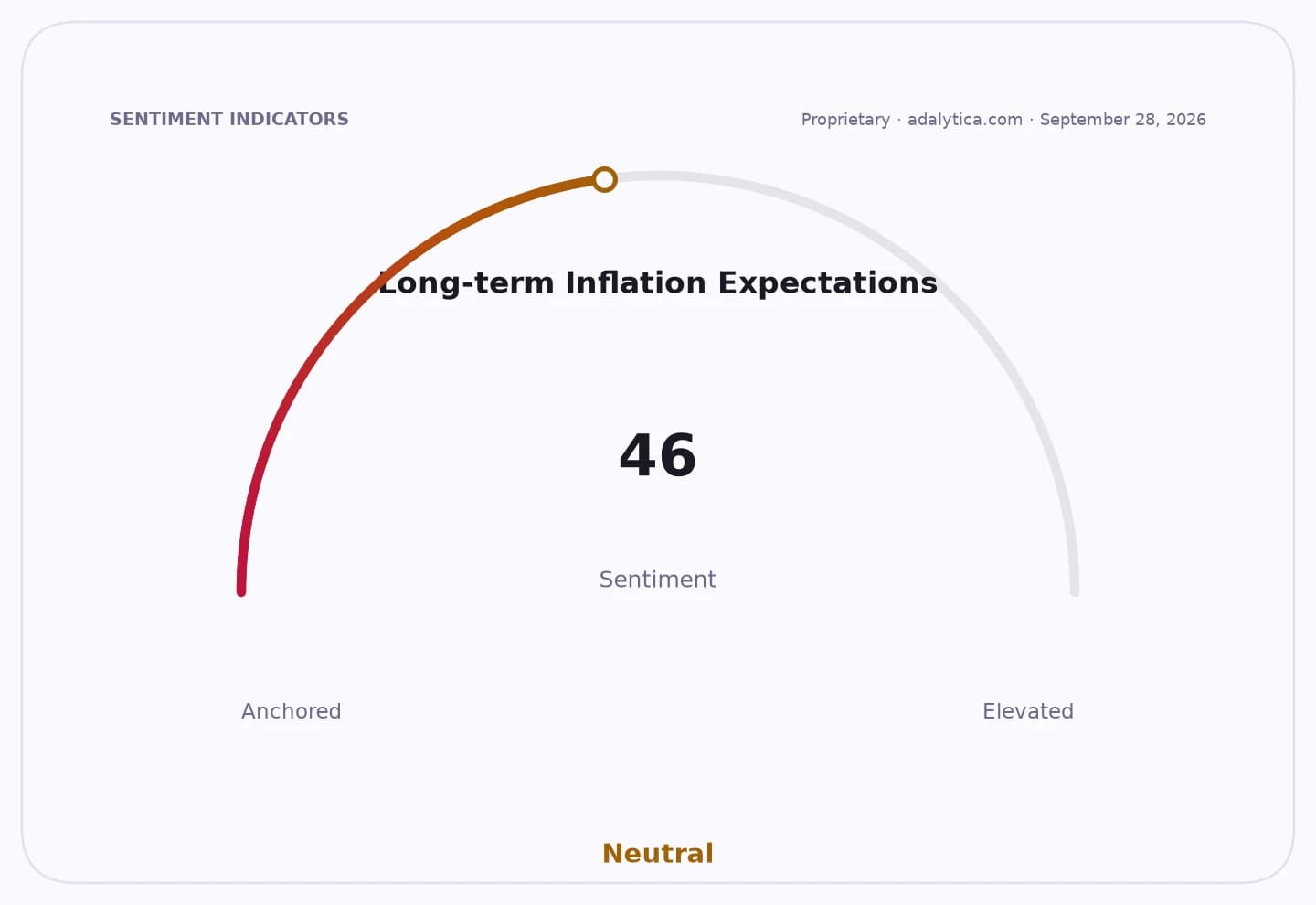
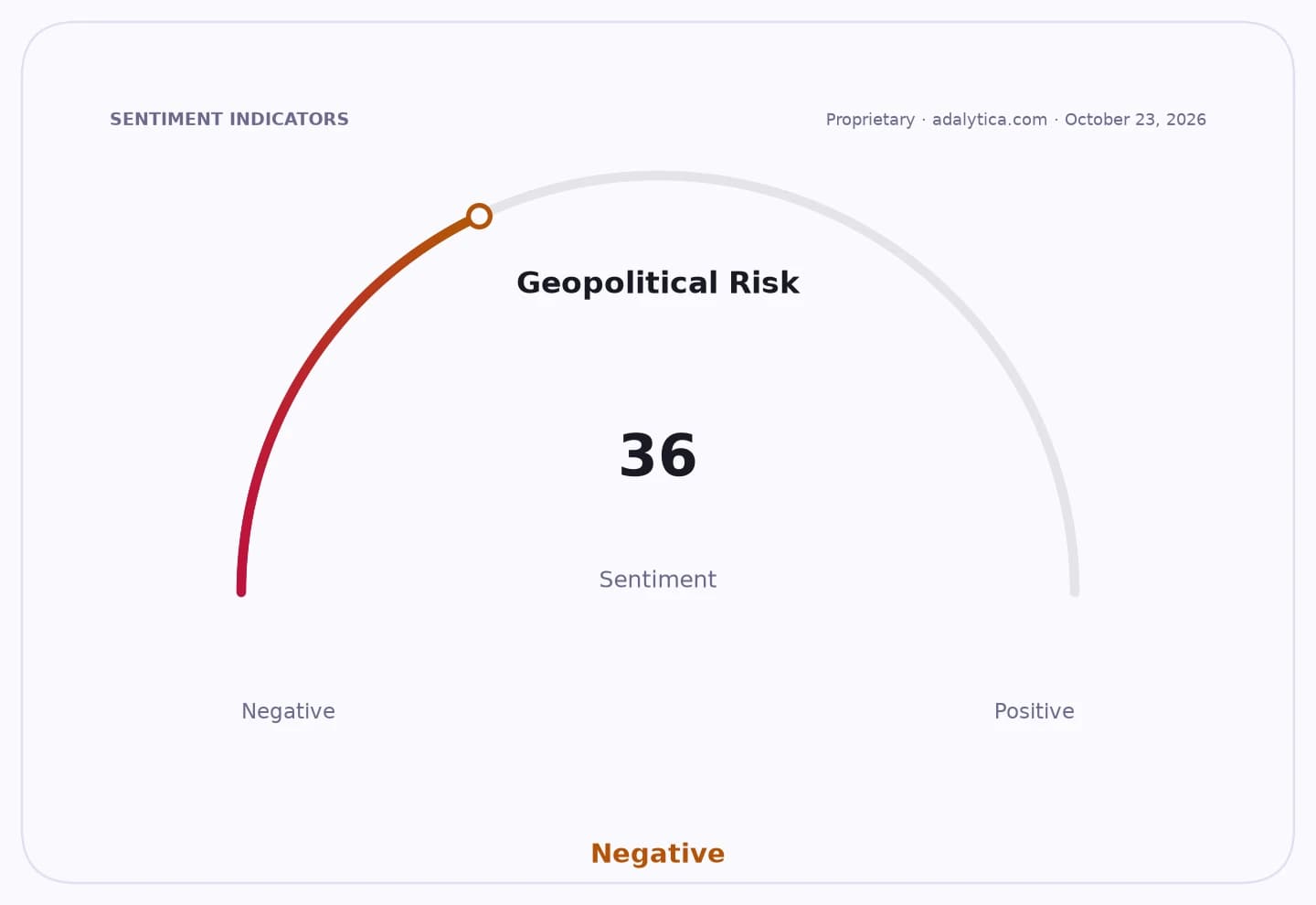
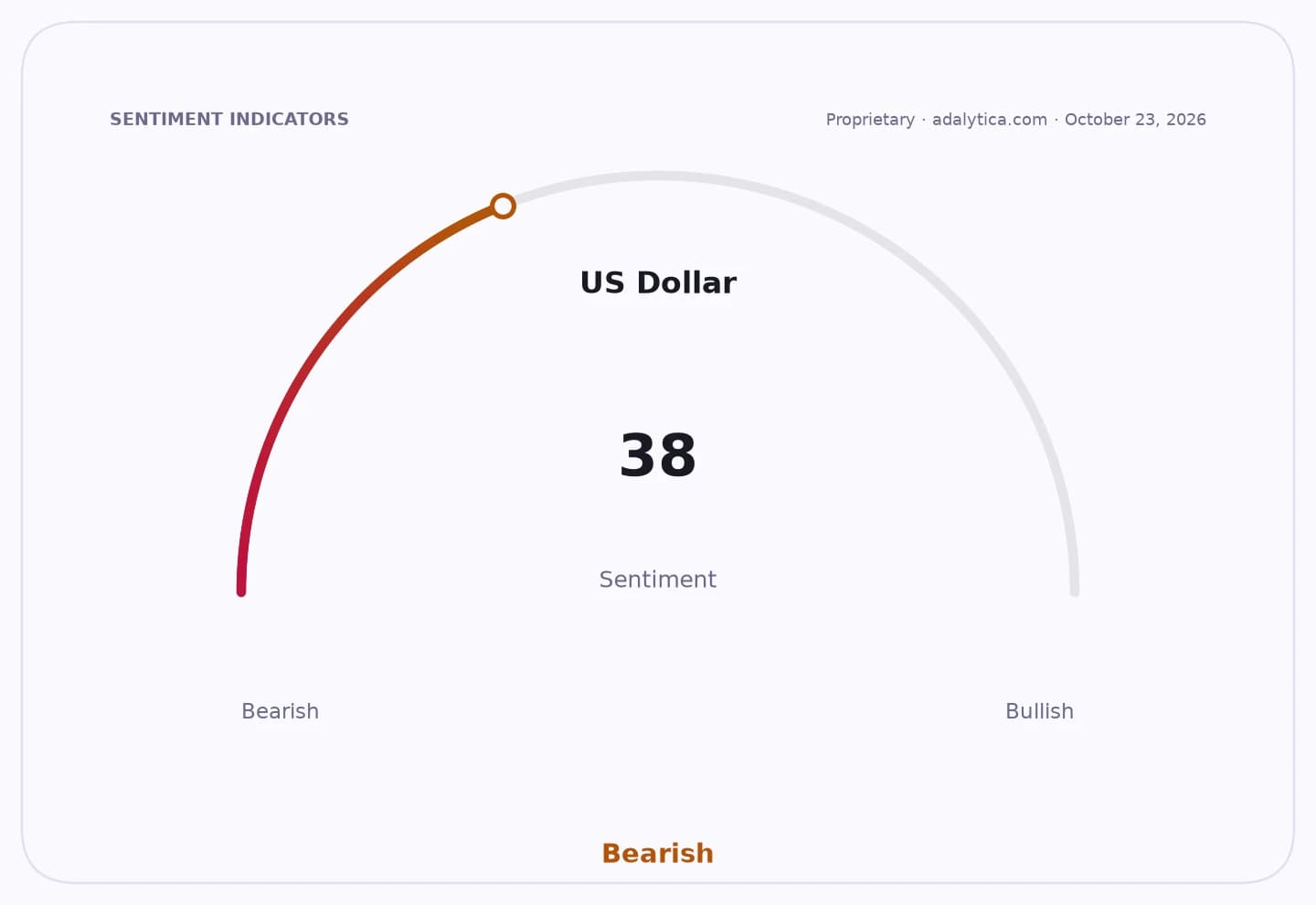
High inflation and elevated interest rates are starting to bite Namibia’s mining sector, raising operating and financing costs just as mineral prices soften and production slows.
Namibia mining output falls as costs and rates rise
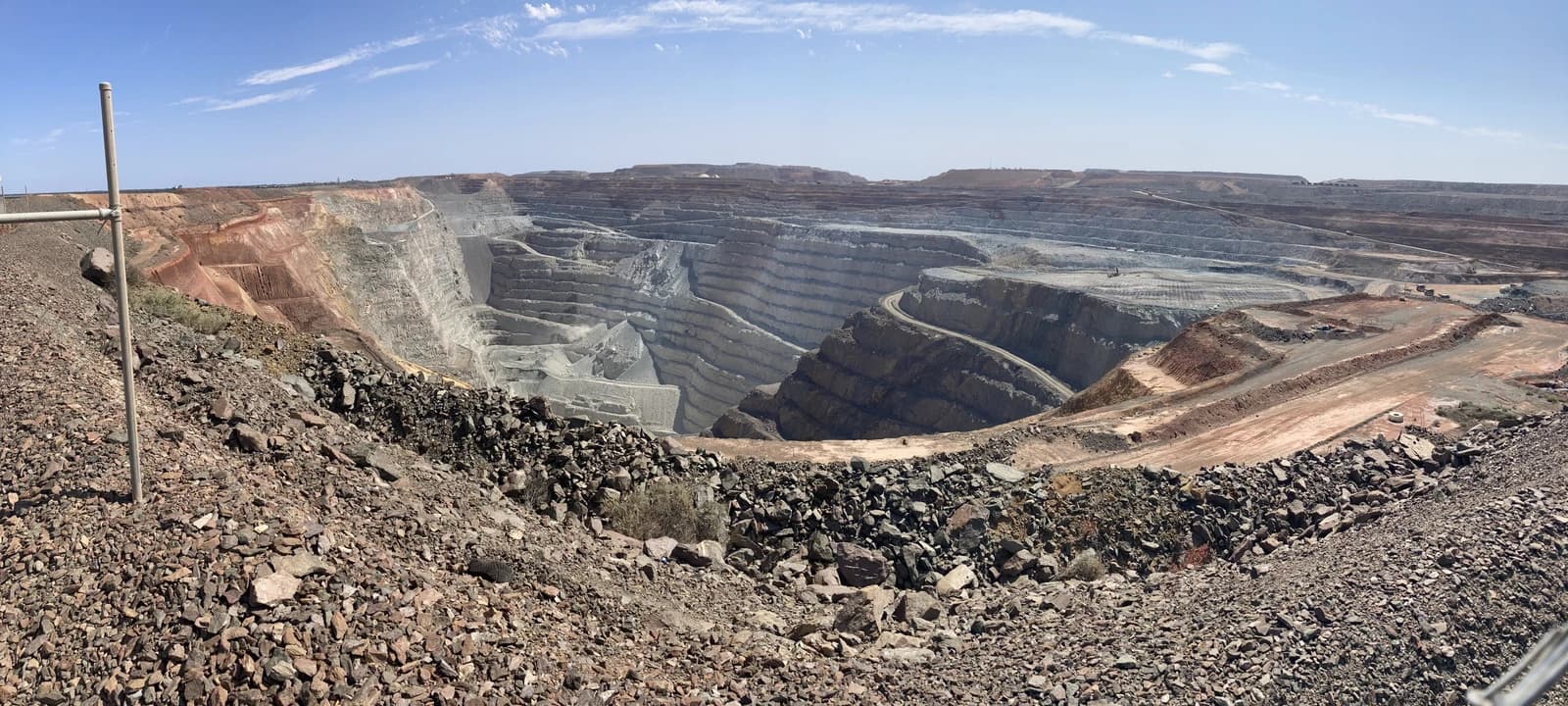
The Chamber of Mines of Namibia said gold and tin prices fell in September from the previous month, while overall mining output dropped 4%, led by a 12% slide in diamond production. The warning matters because mining is one of Namibia’s key foreign-exchange earners and capital-intensive projects are especially vulnerable when fuel, financing and labor costs rise at the same time.
Sentiment IndicatorsⓘProprietary · adalytica.com · October 24, 2026
This is a snapshot — live sentiment, awareness and momentum for 130+ markets update continuously in the dashboard.Open AlphaPulse
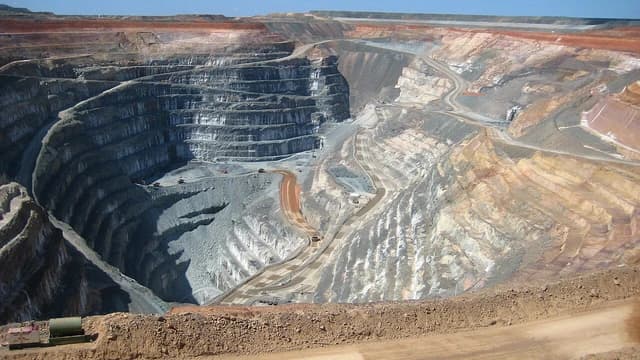
For investors, the message is bigger than one month’s data. Higher rates make exploration, mine expansion and new developments harder to justify, which can delay the next wave of supply in gold, uranium, copper and other critical minerals. That is exactly the kind of bottleneck that can keep quality assets scarce and support prices later, even as near-term margins come under pressure.
The chamber’s read-through is that inflation is no longer just a consumer problem — it is a balance-sheet problem for miners. Fuel costs are inflating the cost of running mines, while borrowing costs are making project approvals more conservative. In a sector where returns depend on long-dated capital spending and steady commodity pricing, tighter financial conditions can quickly suppress output growth.
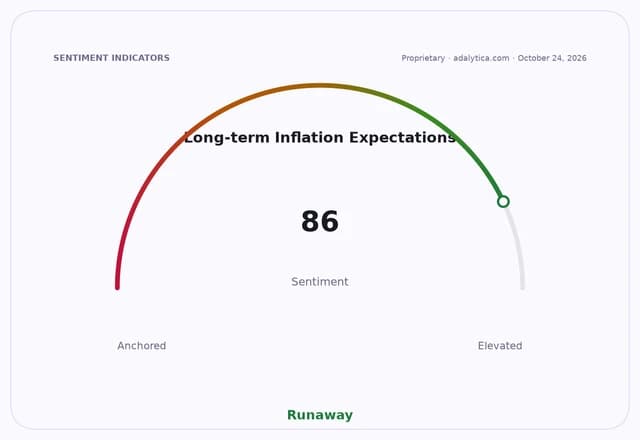
That said, Namibia is not facing a collapse in the sector. The chamber said long-term fundamentals remain strong, with firm gold and uranium prices and a healthy project pipeline keeping the outlook positive. That is the investment angle the market should focus on: higher financing costs can slow supply growth without killing demand, which is constructive for established miners with existing production, low-cost operations and strong balance sheets.
The setup favors the larger, well-capitalized names and the infrastructure and equipment providers that sell into mining, while it works against leveraged developers and smaller explorers that rely on cheap funding to advance projects. If inflation stays sticky and rates remain high, expect more delays, fewer sanctioned expansions and a tighter supply backdrop for the minerals the energy transition and defense buildout need most.
For investors, the highest-conviction trade is not to bet on every miner equally, but to own the assets with scale, operating discipline and exposure to structurally scarce minerals. The market underestimates how persistent inflation and tight money can reshape mining supply — and that creates an asymmetric opportunity in the winners that can keep growing while competitors are forced to wait.
| Entity | Gains | Losses |
|---|---|---|
| Large-cap miners | ▲Financing resilience | ▼Smaller developers |
| Existing gold/uranium producers | ▲Tighter supply support | ▼New mine projects |
| Mining equipment suppliers | ▲Delayed but durable demand | ▼Highly leveraged juniors |
| Namibia’s commodity exporters | ▲Strong long-term pricing | ▼Near-term margins |