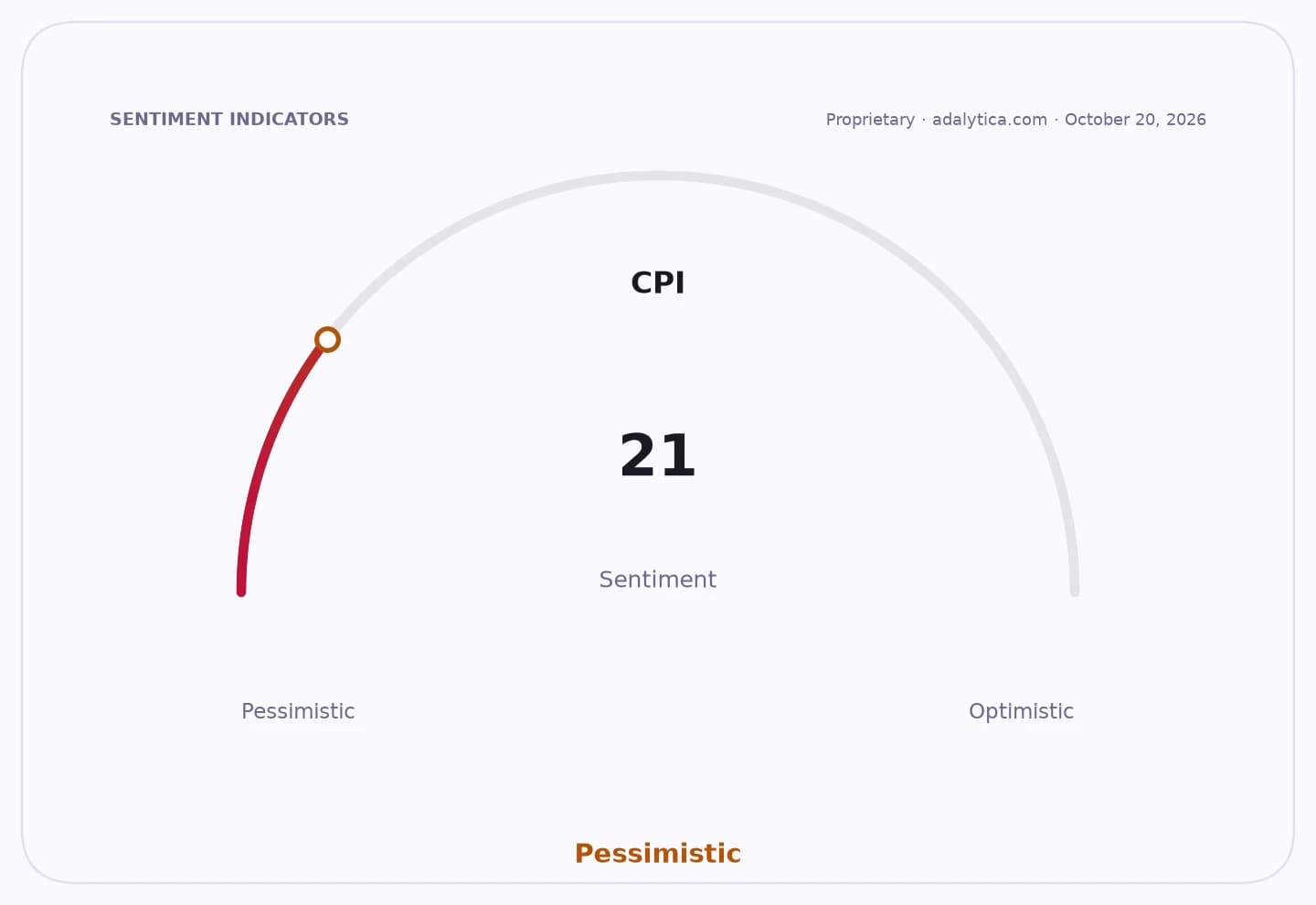
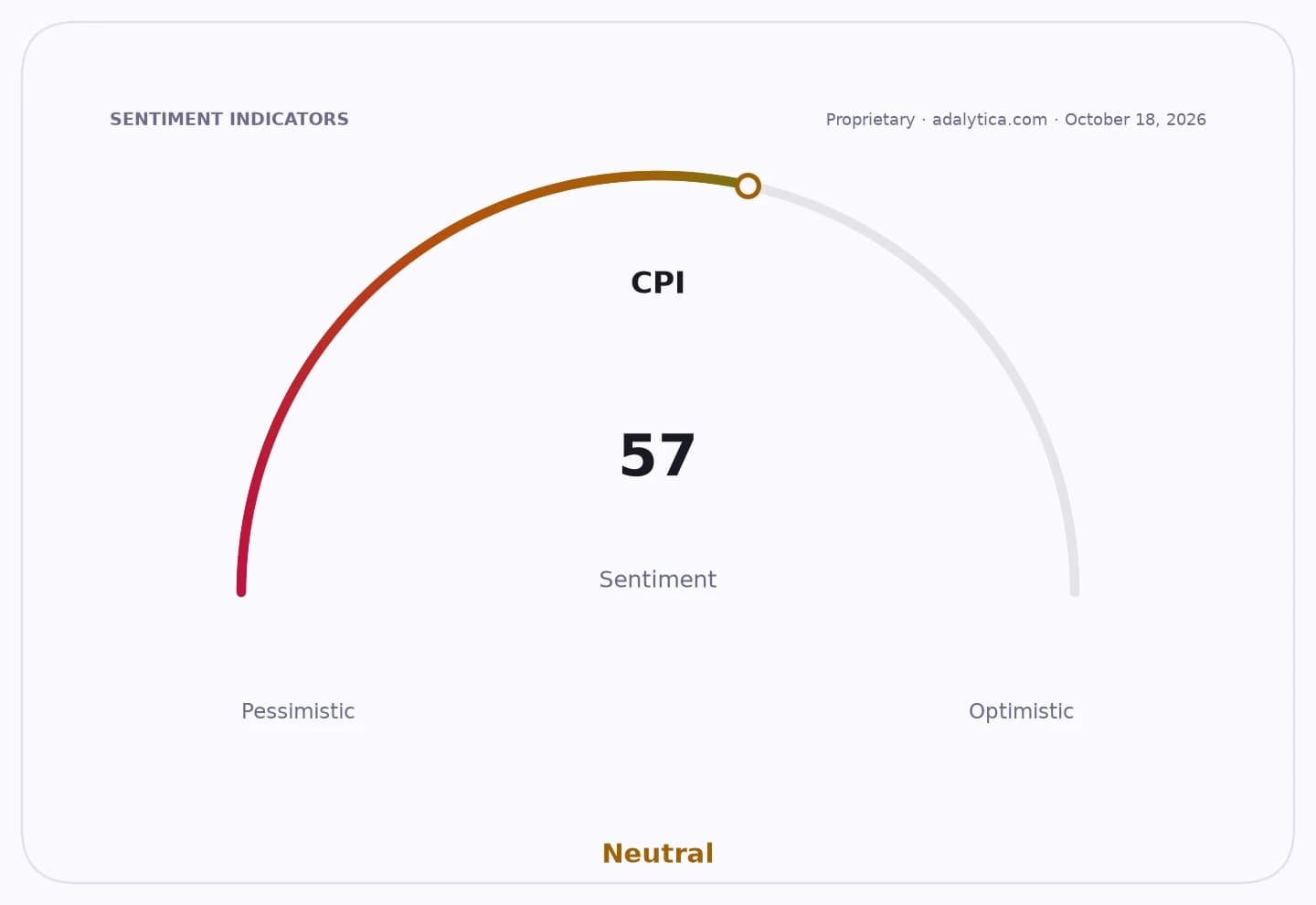
Public transport costs in Namibia surged 15% in September from a year earlier, making transport the biggest driver of the country’s inflation basket and keeping pressure on household budgets even as the monthly pace of price growth eased.
Namibia transport inflation rises 15% on fuel costs

The Namibia Statistics Agency said annual inflation quickened to 5.4% in September, with transport contributing 2.2 percentage points of that total. The jump was led by air transport, which rose 22.1%, followed by rail fares at 15.7%, taxi fares at 15.4% and bus fares at 12.6%.
Sentiment IndicatorsⓘProprietary · adalytica.com · October 12, 2026
This is a snapshot — live sentiment, awareness and momentum for 130+ markets update continuously in the dashboard.Open AlphaPulse
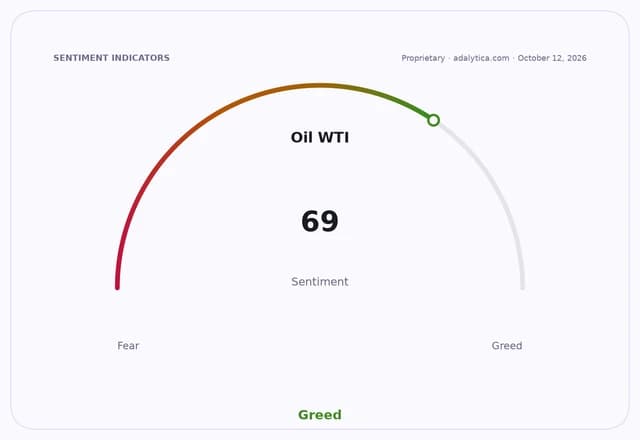
The main economic pressure point remains fuel. Inflation for petrol and diesel climbed 30.4% from a year earlier, pushing up the cost of operating personal transport equipment and feeding into broader transport inflation, which reached 14.9% in September versus 1.3% a year earlier.
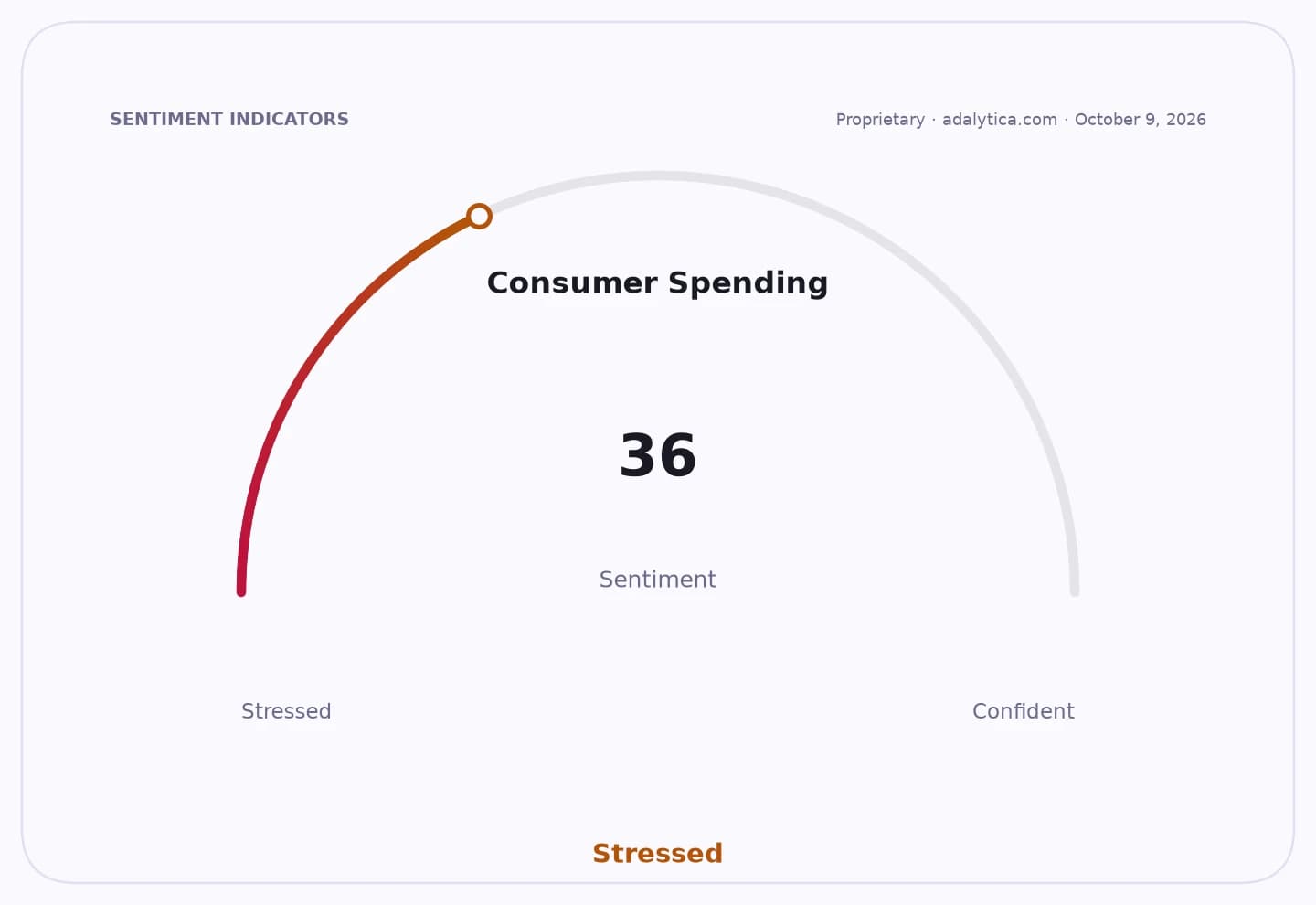
For consumers, that means more expensive commutes, freight bills and travel costs at a time when wages typically lag fast-moving input prices. For policymakers, the data underscores how energy-linked transport inflation can keep headline CPI elevated even when the monthly reading cools — September’s monthly inflation slowed to 0.4% from 0.6% in August, while transport inflation still rose 1.9% on the month.
The backdrop is a wider global squeeze on transport and energy costs, which has been keeping inflation sticky across several economies. That matters for investors because persistent fuel-driven inflation can delay rate cuts, pressure consumer spending and lift operating costs for airlines, logistics firms and passenger transport operators.
The next focus will be whether fuel prices stabilize enough to ease transport inflation in coming months or whether another round of energy cost pressure keeps Namibia’s inflation path elevated into year-end.
| Entity | Gains | Losses |
|---|---|---|
| Fuel suppliers | ▲Higher revenue from pricier petrol and diesel | ▼Demand risk if costs stay elevated |
| Transport operators | ▲Can pass through some fare increases | ▼Margin pressure if demand weakens |
| Namibian households | ▲None | ▼Higher commuting and travel costs |
| Policymakers | ▲Lower urgency if monthly inflation cools | ▼Inflation credibility if fuel costs persist |