Colombia’s coal industry is warning that new electricity-use penalties could lift production costs by as much as 10% in key mining regions, a move that risks tightening thermal coal supply just as the country leans on coal to support power generation and energy security.
Colombia coal industry warns of 10% power cost rise
The warning matters because this is not just a sector complaint about higher utility bills. It goes straight to the economics of Colombia’s domestic fuel chain: if small and mid-sized miners in Norte de Santander, Boyacá, Cundinamarca and Córdoba are forced to pay more for power when output rebounds, the squeeze could reduce competitiveness, slow supply to thermoelectric plants and feed through to electricity reliability.
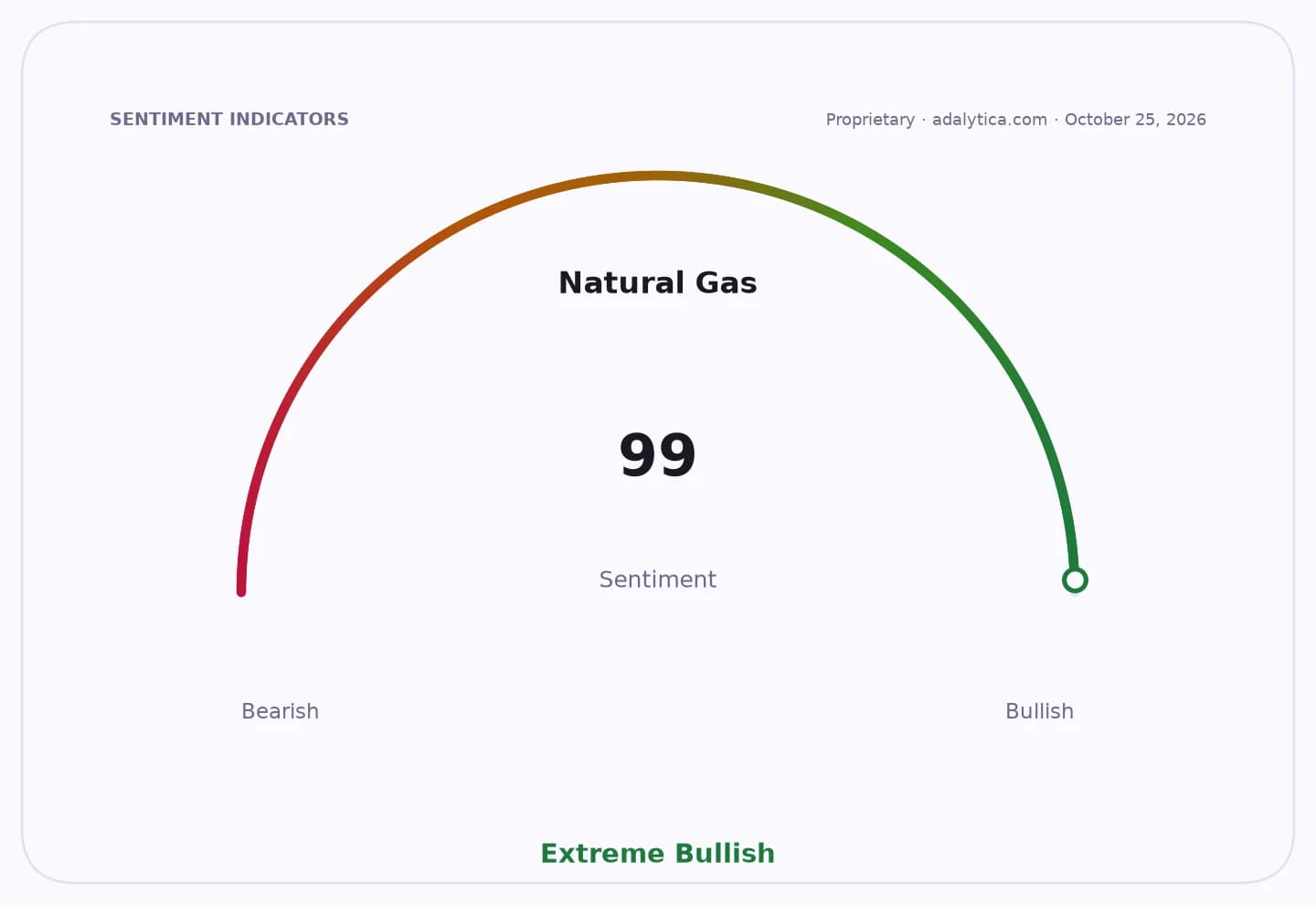
Sentiment IndicatorsⓘProprietary · adalytica.com · October 25, 2026
This is a snapshot — live sentiment, awareness and momentum for 130+ markets update continuously in the dashboard.Open AlphaPulse
Fenalcarbón says the new rules from the energy regulator, CREG, impose a 70% surcharge on the reference tariff when consumption rises above 110% of an assigned target. On paper, the policy rewards conservation. In practice, the industry says the targets were set during a period of sharply weaker coal activity, which means a normal recovery in 2026 could trigger penalties even when miners are simply running more equipment and restoring output.
That distinction is important for investors because higher compliance costs tend to hit the most vulnerable producers first. Small and medium miners usually have less pricing power, thinner margins and less room to absorb higher input costs. If they trim production rather than pay the surcharge, domestic coal supply tightens and the burden moves downstream to utilities and industrial users that depend on thermal coal for baseload power.
The market already knows coal can be a tight, volatile business, but this policy risk adds a regulatory layer on top of an energy-cost cycle that is becoming more punitive in many regions. Adalytica’s Coal Fear & Greed Index shows sentiment has turned to greed, while awareness remains in extreme fear territory, a mix that often appears when investors like the sector’s pricing power but remain wary of policy and supply shocks. That is exactly the backdrop here: attractive coal economics, but rising intervention risk.
There is also a broader macro angle. Colombia is trying to encourage energy savings, yet Fenalcarbón argues that punishing coal output could backfire by raising the cost of the very fuel that helps keep the grid stable. If the government softens the rules, miners and thermal coal suppliers gain breathing room. If it does not, the policy could accelerate consolidation, favor larger operators with better operating leverage and leave the smallest producers exposed.
For investors, the message is straightforward: the opportunity is less in blanket coal exposure than in the names and assets with scale, lower unit costs and the ability to pass through regulatory friction. In a world where energy security is increasingly political, the winners are the producers that can keep volumes moving without getting crushed by local policy. The losers are the marginal miners whose margins can disappear with a single regulatory change.
| Entity | Gains | Losses |
|---|---|---|
| Large coal producers | ▲Better share of supply | ▼Little |
| Small and mid-sized miners | ▲Possible relief if rules change | ▼Higher costs, thinner margins |
| Thermal power plants | ▲More stable coal supply if policy eases | ▼Higher fuel costs if output slows |
| Colombian consumers/grid | ▲Energy security if supply holds | ▼Risk of tighter supply and higher power costs |