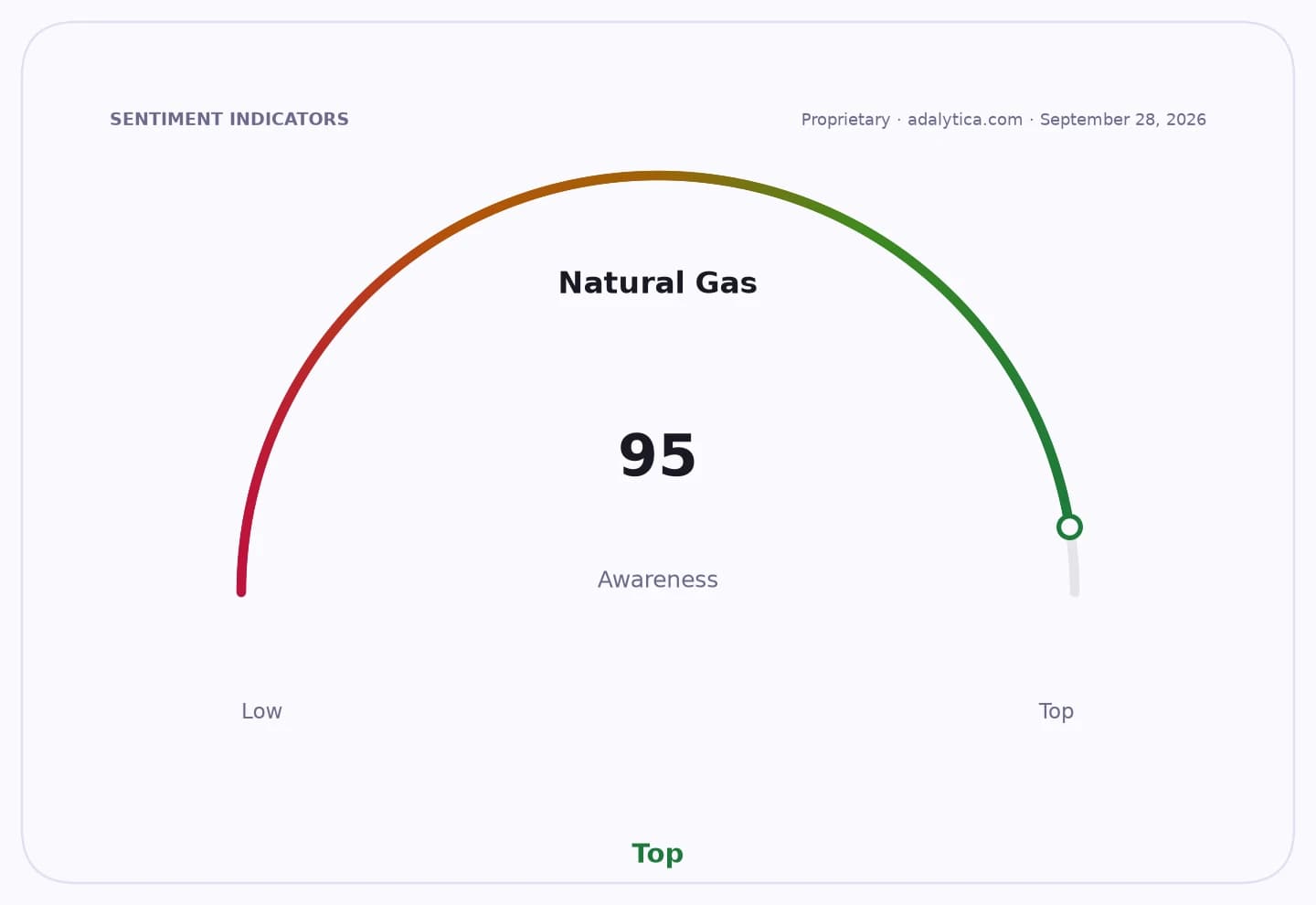
Ecopetrol’s decision to scrap its medium-term liquefied natural gas import tender and push harder on the Sirius offshore discovery is a big bet on Colombia’s own gas supply — and on the long-term economics of bringing that gas to market faster.
Ecopetrol scraps LNG tender, backs Sirius gas
For investors, the message is straightforward: Colombia’s state oil company is choosing domestic production over imported fuel, a move that could reshape margins, capex priorities and the country’s energy balance if Sirius comes online as planned. It also matters for households and industry, because the company said the bids it received did not offer enough commercial certainty and risked passing higher tariff costs through to customers.
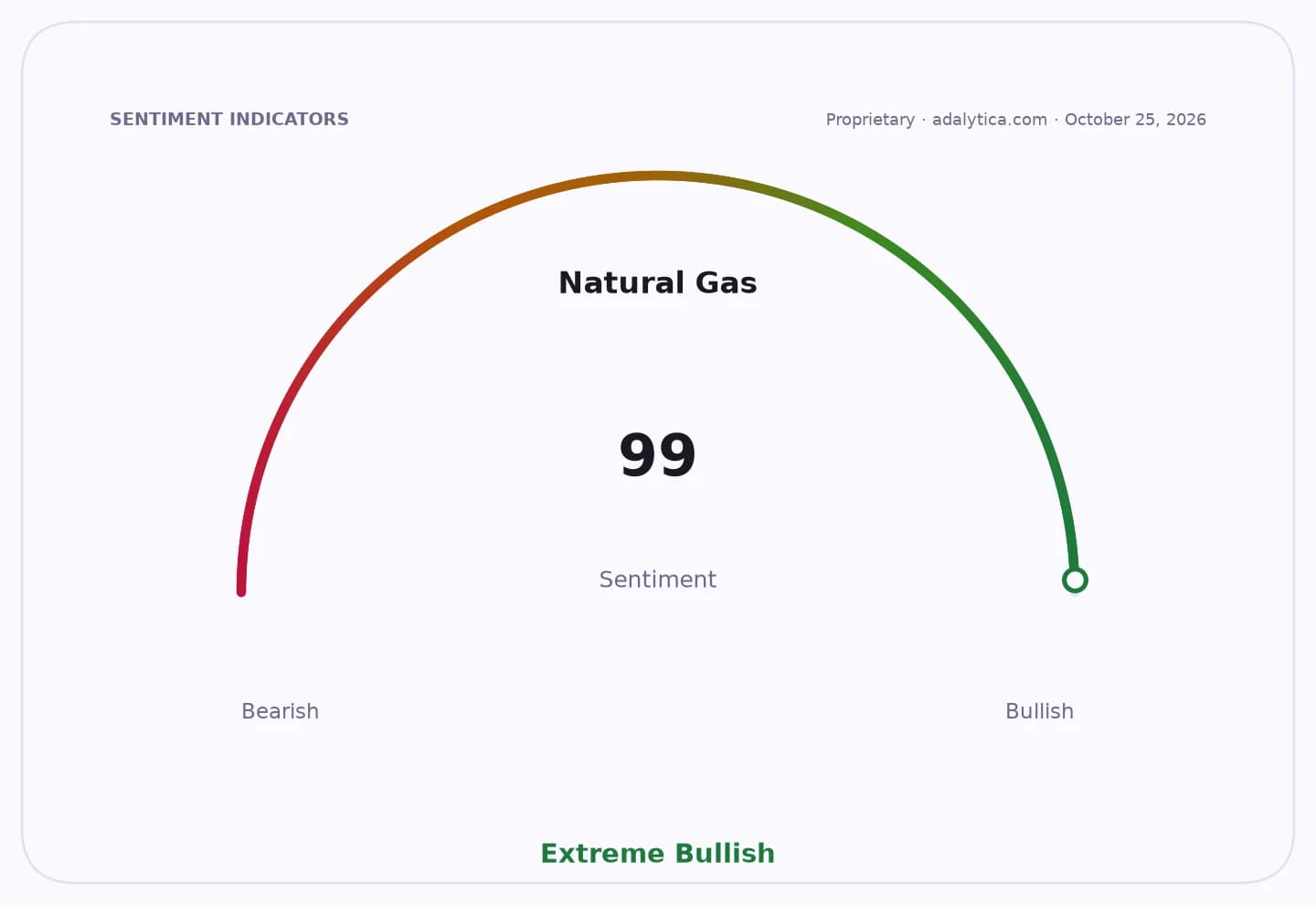
Sentiment IndicatorsⓘProprietary · adalytica.com · October 25, 2026
This is a snapshot — live sentiment, awareness and momentum for 130+ markets update continuously in the dashboard.Open AlphaPulse
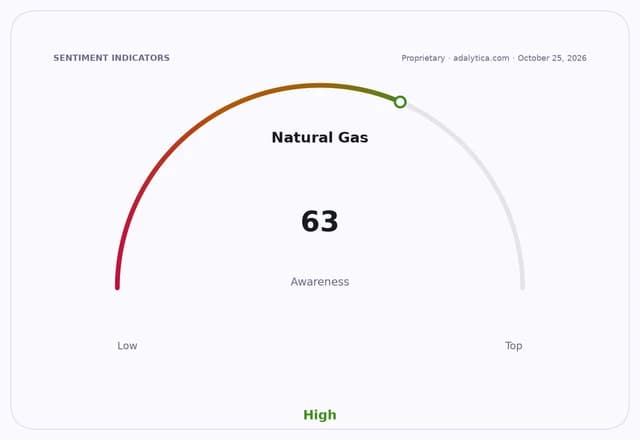
The shift underscores how tight gas fundamentals have become. Ecopetrol is under pressure to help close a domestic supply gap, and the company is now concentrating investment on its own offshore resources rather than paying for imports that would likely have increased costs across the system. That matters in a country where gas is central to power generation, manufacturing and heating, and where policymakers are trying to avoid a more expensive import-heavy energy mix.
The Sirius field, in deep water in the Caribbean and developed with Petrobras, has become the centerpiece of that plan. Energy executives say the partnership could accelerate drilling and subsea pipeline timelines, with the goal of tying gas into Colombia’s national transport system before the end of the decade. If that schedule holds, Sirius could reduce the need for imported LNG, improve energy security and strengthen Ecopetrol’s reserve replacement story at a time when investors are watching for growth beyond crude.
The market backdrop makes the move even more interesting. Natural gas trading signals from Adalytica show extreme greed, reflecting a market that has already tightened, while oil prices have also been choppy. Against that backdrop, a domestic gas project with clearer strategic value can look more attractive than import exposure, particularly for a company that must balance political pressure, consumer affordability and shareholder returns.
Ecopetrol shares have already reacted as investors warmed to the company’s upstream prospects, with the stock trading well above its 50-day and 200-day moving averages. Petrobras has also stayed firm, helped by its own offshore portfolio and related reservoir approvals in Brazil. For long-term investors, the real question is whether Sirius can move from promising discovery to reliable production fast enough to change Colombia’s energy math.
That is why this matters now: if Ecopetrol can bring Sirius forward and avoid expensive LNG imports, it could improve the economics of gas supply for years, not just months. If delays creep in, Colombia could still face a tighter market and higher prices. For investors, the project is worth watching as a high-impact, long-duration catalyst — the kind that can matter well beyond the next quarter.
| Entity | Gains | Losses |
|---|---|---|
| Ecopetrol | ▲Lower import dependence | ▼Near-term flexibility |
| Sirius project | ▲Faster development push | ▼Execution risk |
| Colombian consumers | ▲Less tariff pressure | ▼Risk of supply gaps |
| LNG importers | ▲Fewer contract wins | ▼Lost medium-term demand |