Colombia’s energy ministry is moving to make natural gas exploration a national necessity, not a policy choice, as El Niño threatens to tighten supply and drive up the country’s reliance on imported fuel.
Colombia moves to boost natural gas exploration
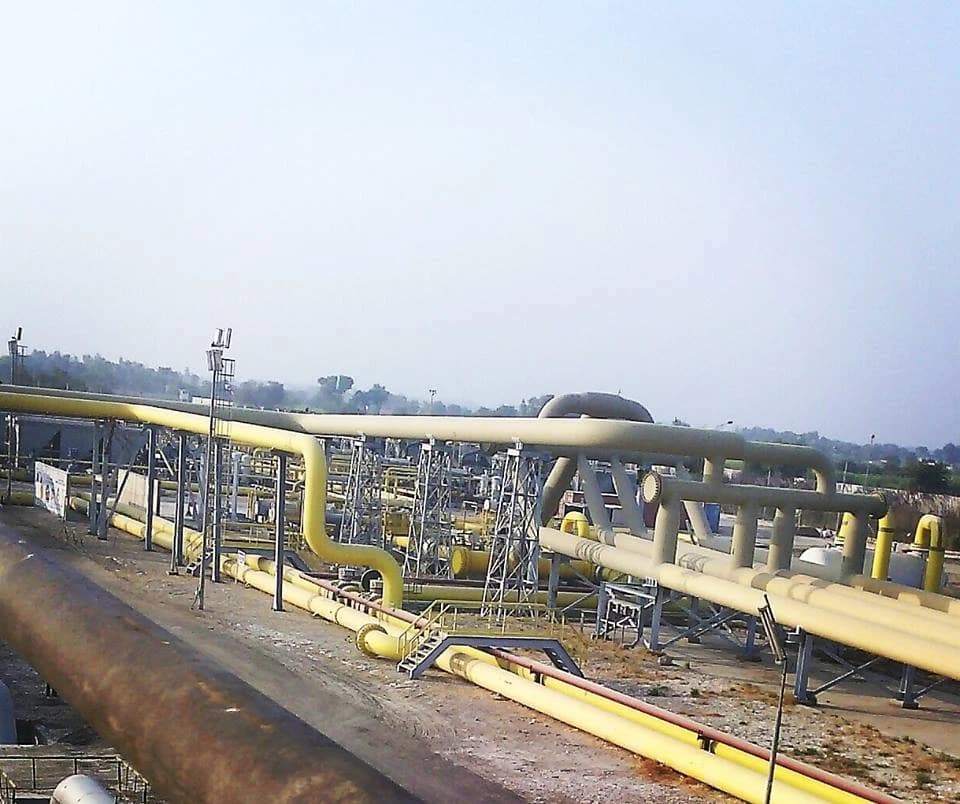
That matters because Colombia is heading into a more fragile energy balance just as it leans heavily on hydroelectric power and imported gas to keep the lights on. With rainfall easing and reservoir levels under pressure, the system becomes more dependent on thermal generation — and that means more gas demand, higher import exposure and a wider risk premium on the economy if supply is strained.
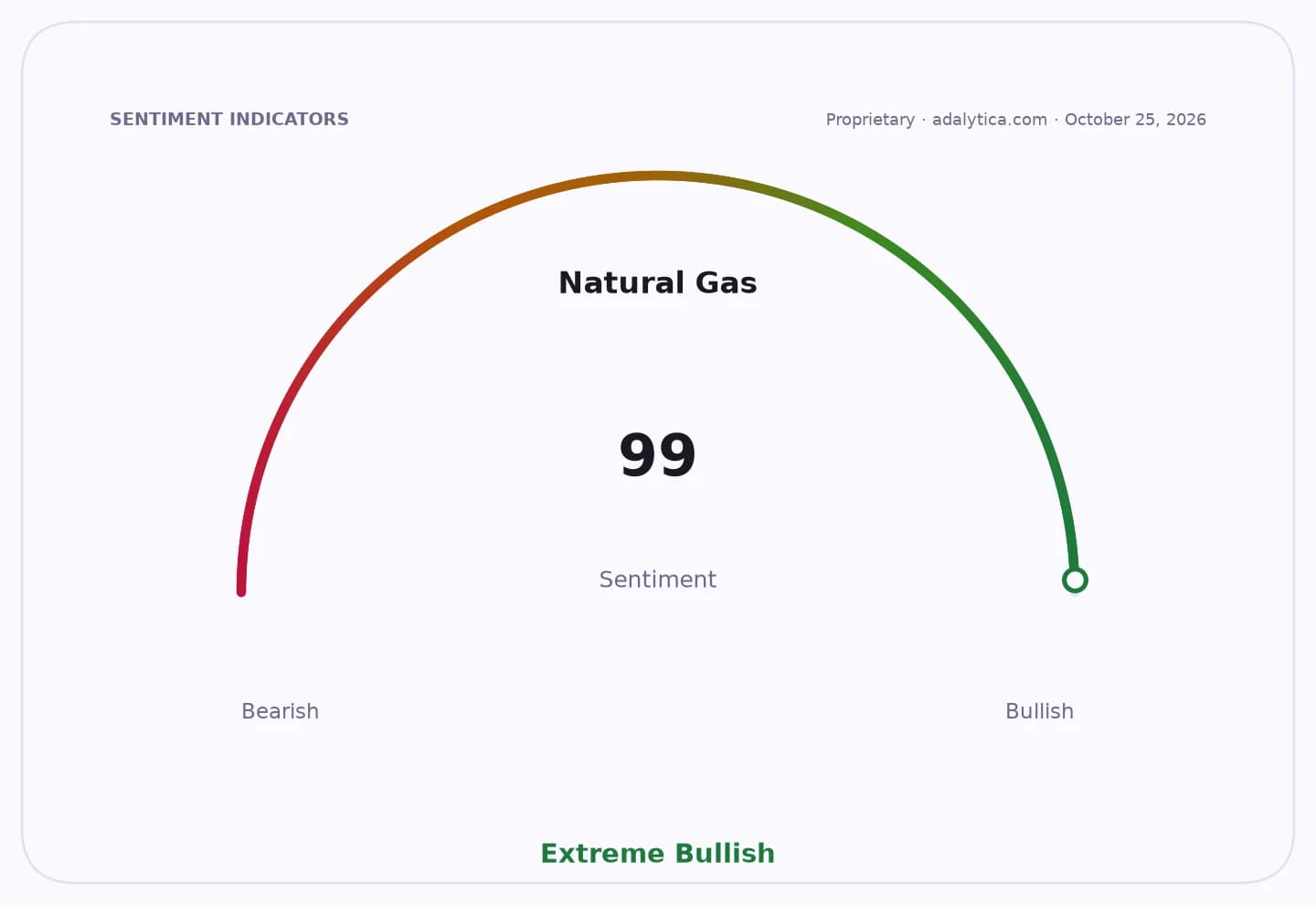
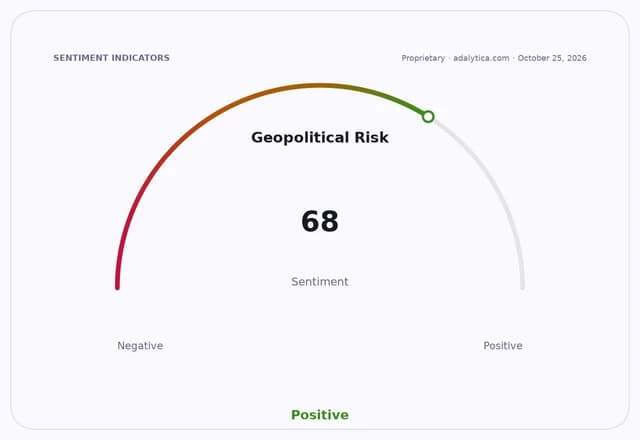
Sentiment IndicatorsⓘProprietary · adalytica.com · October 25, 2026
This is a snapshot — live sentiment, awareness and momentum for 130+ markets update continuously in the dashboard.Open AlphaPulse

The ministry told lawmakers the country’s gas position has worsened because exploration has lagged demand and reserves have not been replaced fast enough. In September, 39% of Colombia’s gas demand was met with imports, and 66% of those imported volumes went to power generation. The ministry said the country’s thermal plants currently run on 47% imported gas, 35% domestic gas, 10% liquid fuels and 8% coal, a mix that underscores how far Colombia has drifted from energy self-sufficiency.
For investors, the message is clear: the market underestimates the value of domestic gas infrastructure, regasification capacity and upstream projects that can substitute for imports. The near-term setup already favors assets tied to supply security. SPEC’s regasification project, due to start in the coming days, is expected to add 58 million cubic feet per day. Pacífico would add another 60 million, Puerto Bahía 126 million, and ANH-backed projects 50 million more. Those volumes do not solve the problem alone, but they buy time — and time is what the system needs most right now.
The longer-dated prize is even bigger. Sirius and Orca are being framed as the medium-term answer, with about 6,000 gigacubic feet of resources, while KGG could add another 4,000 to 4,200 gigacubic feet over the longer term. Komodo is also on the table, though aimed at exports. That pipeline of projects is exactly why the ministry’s stance matters: it signals that Colombia is pivoting from a transition-only narrative toward one that puts reliability, dispatchability and domestic supply first.
The investment thesis here is straightforward. When governments are forced to prioritize energy security over ideology, capital flows follow infrastructure, gas development and the service companies that enable them. That is bullish for the upstream complex, the midstream buildout and the broader LNG/regasification theme across Latin America. It also argues for watching global oil and gas leaders such as Exxon Mobil, Chevron and ConocoPhillips, which remain levered to a world where supply discipline and geopolitical stress keep fossil-fuel investment alive longer than many ESG-driven models assumed.
And the macro backdrop reinforces the point. Oil prices remain elevated, with West Texas Intermediate recently around $110 a barrel on the supplied data, while Colombia’s dependence on imported fuel makes it more vulnerable to global price swings and shipping bottlenecks. In other words, this is not just a Colombian story. It is another reminder that energy transition timelines are being rewritten by physical constraints, climate variability and geopolitical risk.
The market should treat Colombia’s new line on gas exploration as an inflection point. If the country follows through, the winners will be developers, regasification operators and gas-linked infrastructure names. If it does not, the losers will be consumers, power generators and the broader economy that has to pay for imported energy when domestic supply falls short.
| Entity | Gains | Losses |
|---|---|---|
| Gas explorers | ▲Policy support | ▼Regulatory uncertainty |
| Regasification projects | ▲Higher utilization | ▼Underused capacity |
| Power generators | ▲Near-term fuel access | ▼Higher import costs |
| Colombian economy | ▲Energy security | ▼Inflation and outage risk |