India has dropped a plan to force power plants to blend imported coal with domestic supplies, choosing instead to lean on state miner Coal India and railways as surging seaborne prices and a weak rupee make foreign fuel too expensive.
India Drops Imported Coal Blending Plan

The decision matters because it shows New Delhi is trying to avoid passing high international coal costs into an already stressed power system, even as stockpiles at Indian thermal plants sit at their lowest in nearly five years. For the world’s second-largest coal consumer, the move underscores how currency weakness and a jump in global prices can quickly turn an emergency import fix into a cost problem for utilities, state finances and electricity tariffs.
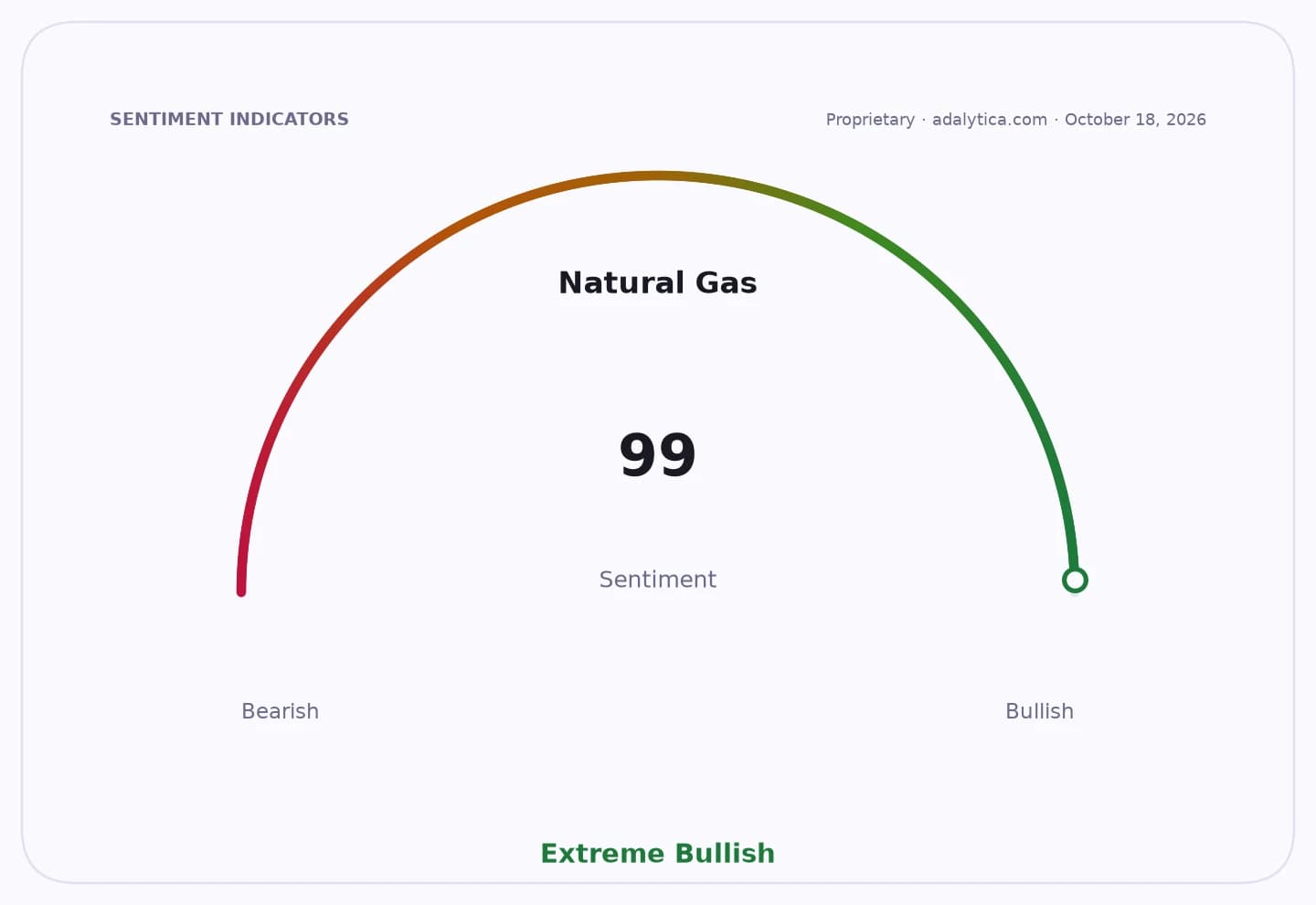
Sentiment IndicatorsⓘProprietary · adalytica.com · October 23, 2026
This is a snapshot — live sentiment, awareness and momentum for 130+ markets update continuously in the dashboard.Open AlphaPulse

Nearly half of India’s power plants had “critical” fuel inventories as of Oct. 17, holding less than a quarter of required stocks, according to the power ministry. That followed a poor monsoon that kept temperatures elevated deeper into the year, lifted demand for cooling and irrigation, and cut hydropower generation. The strain was already visible in September, when the country posted its worst electricity shortages for that month in almost a decade.
The shelved import proposal reflects the economics of the fuel market more than a change in the underlying supply crunch. Thermal coal prices are at a three-year high, while higher oil prices have already pushed up India’s energy import bill. A weaker rupee makes dollar-denominated cargoes even more expensive, narrowing the gap between emergency imports and domestic coal even if imported grades can help improve plant blends.
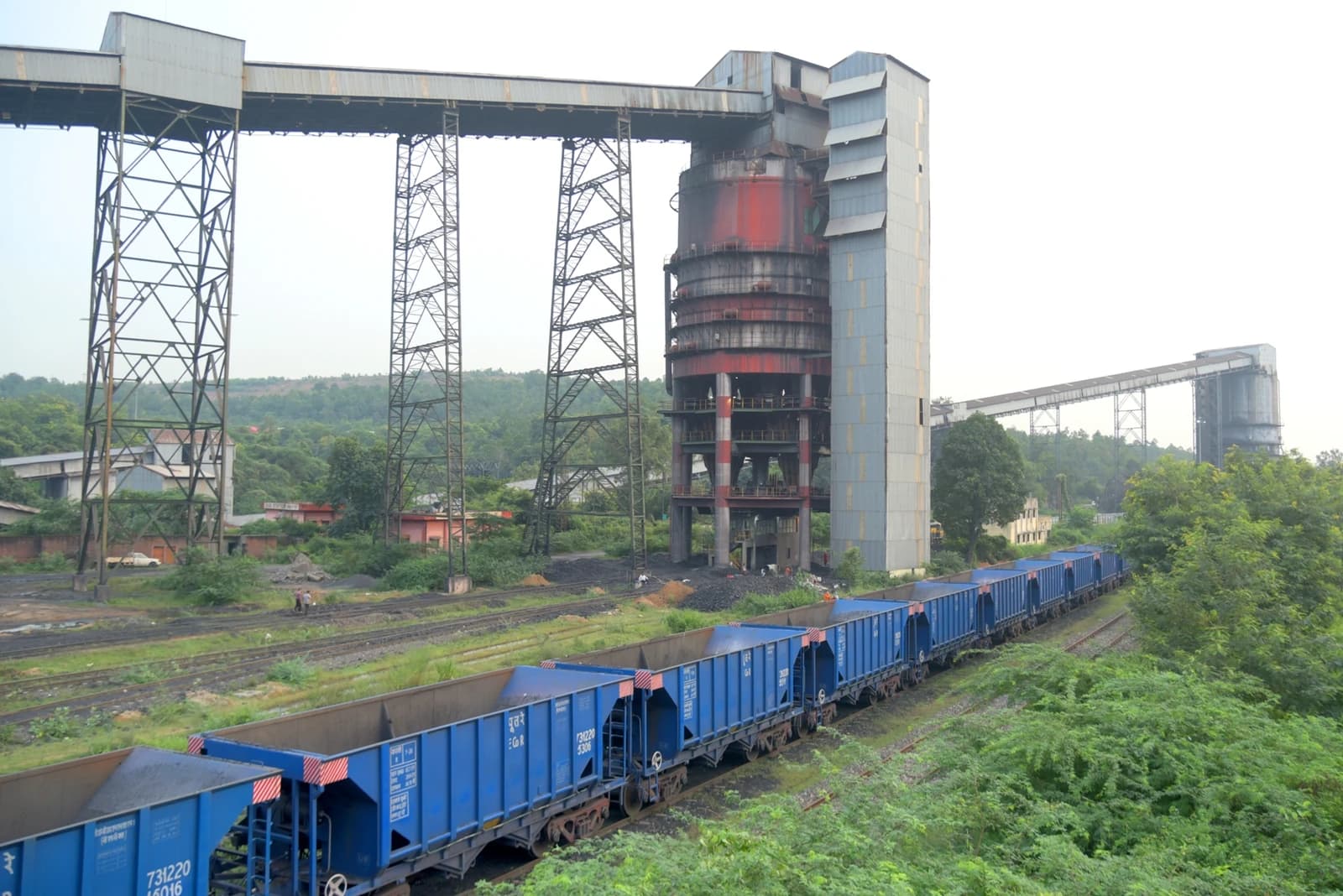
Policymakers are instead pressing Coal India to raise output and asking the railway system to speed deliveries to power stations. That is a familiar playbook, but it carries its own risks: production gains can be limited by mining and logistics constraints, while rail bottlenecks can slow stock replenishment even when coal is available. The government also appears to be betting that cooler weather will ease power demand in coming weeks, giving inventories room to recover.
For investors, the immediate read-through is mixed. Domestic coal producers may benefit if India continues leaning on local output rather than imports, but the near-term backdrop still argues for volatility across the sector because the government is prioritising supply security over price-insensitive buying. Coal-linked US equities such as Peabody Energy and Consol Energy have already reflected that tension, with shares of both recently under pressure alongside broader swings in coal sentiment. If India’s stockpiles rebuild more slowly than expected, coal prices could stay supported; if demand eases and domestic supply improves, the urgency behind the current rally could fade.
The broader narrative is that India is trying to balance energy security against inflation and foreign-exchange pressure. The immediate crisis is not over, but by shelving imports New Delhi is signalling that affordability now matters as much as availability — a trade-off that will shape power costs, coal prices and market expectations into the end of the year.
| Entity | Gains | Losses |
|---|---|---|
| Coal India Ltd. | ▲Higher domestic demand | ▼Import substitution risk falls |
| Indian power plants | ▲Avoid costly imports | ▼Fuel shortages persist |
| Indian consumers/taxpayers | ▲Less pressure from import costs | ▼Power supply risk remains |
| Global coal exporters | ▲Fewer Indian orders | ▼Demand from a key buyer weakens |