UEMOA is preparing a seven-year investment push of 7,000 billion CFA francs to expand local processing of cotton, lift fertilizer use and reduce heavy rice imports across West Africa’s franc zone, a program that could reshape food security, farm incomes and industrial supply chains in the region.
UEMOA Plans 7,000 Billion CFA Farm Investment Push
Economic Growth Targets
The plan matters because it targets some of the bloc’s most persistent economic leakages. In cotton, only 2% of fibre produced in the union is transformed locally and barely 6% of the final value of the crop is captured in member economies, according to the bloc’s ministers. In rice, UEMOA still relies on imports for about half of consumption. In fertilizers, average usage is only 20 to 25 kilograms per hectare, far below the global average of about 120 kilograms, underscoring how low input intensity continues to restrain yields.
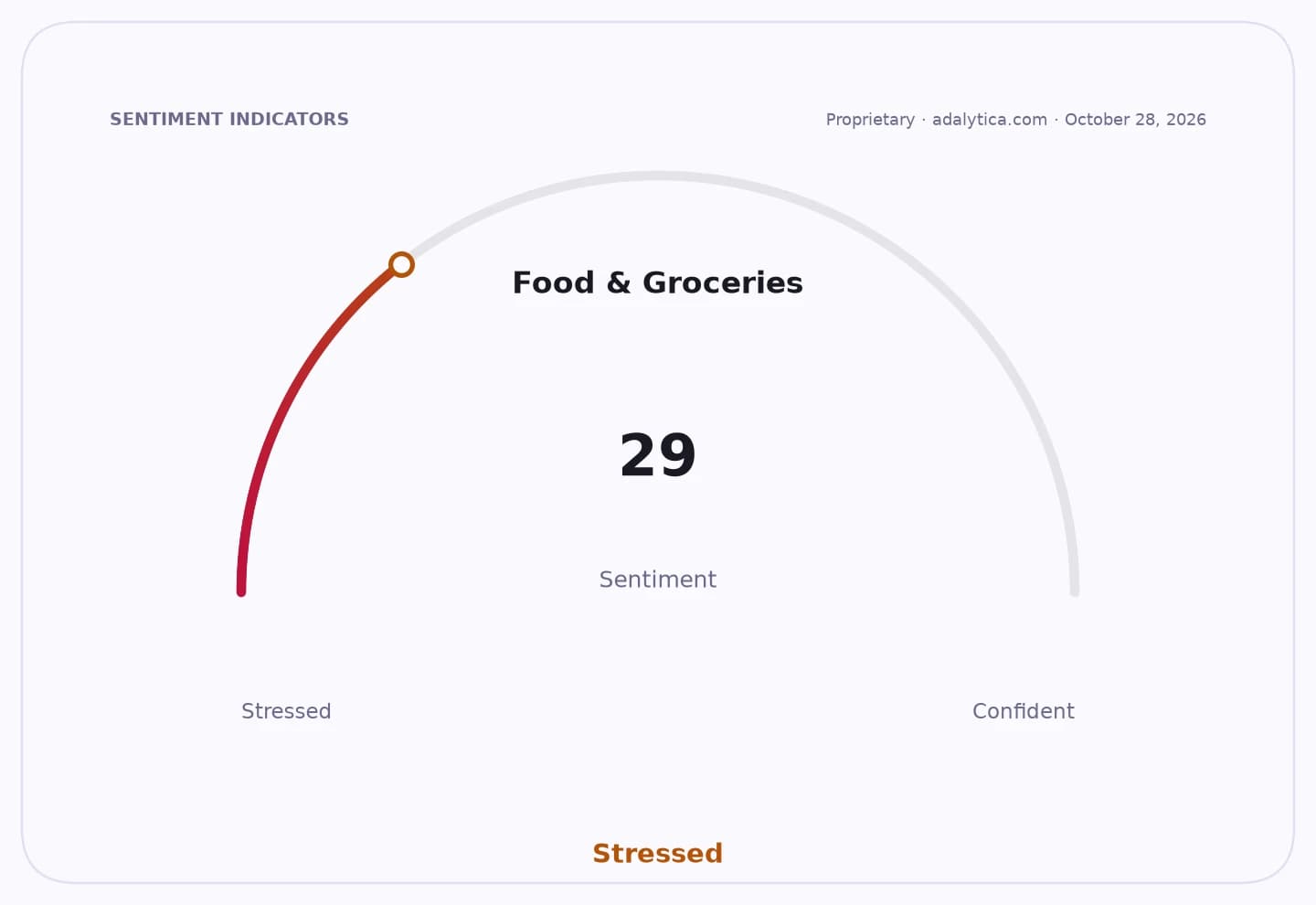
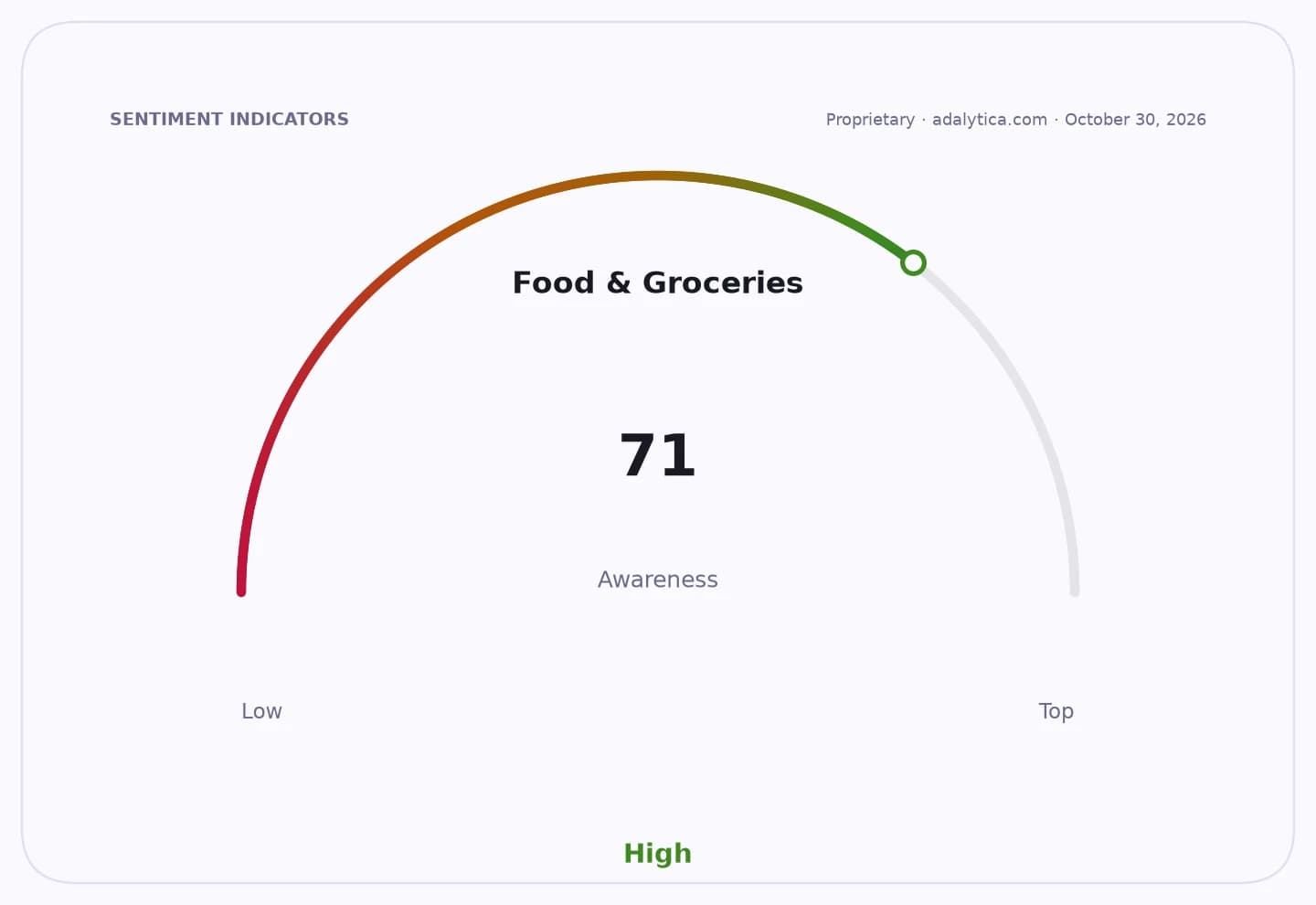
Sentiment Indicators
For policymakers, the initiative is an attempt to shift UEMOA from an exporter of raw commodities and importer of finished goods toward a more integrated agricultural-industrial model. That would support rural employment, reduce exposure to global price swings and ease pressure on foreign exchange reserves, especially if more rice is produced locally and more cotton is processed within the region. It also fits a broader regional response to food inflation and supply-chain vulnerabilities exposed in recent years.
The financing challenge is substantial. The bloc said funding will need to come from member states, the private sector and development financiers, implying the 7,000 billion CFA francs will not be borne by governments alone. Execution will likely depend on whether the region can attract investment into milling, ginning, fertilizer distribution, storage and logistics — all areas where bottlenecks have historically limited agricultural productivity.
For investors, the plan could create opportunities in agribusiness, industrial equipment, logistics and input distribution, while pressuring importers that have benefited from the region’s dependence on foreign rice and fertilizer. It may also matter for global agricultural traders and processors if West Africa gradually retains more value at home, particularly in cotton and rice flows.
The outlook now hinges on implementation. If the bloc can turn the strategy into bankable projects, it could begin to narrow a long-standing productivity gap. If not, the announcement risks joining a long list of regional industrialization plans that have struggled to move beyond ministerial communiqués.
| Entity | Gains | Losses |
|---|---|---|
| UEMOA farmers and processors | ▲higher local value capture | ▼continued dependence on imports |
| Private agribusiness investors | ▲new project pipeline | ▼import-only traders |
| Rice and fertilizer importers | ▲market expansion risk | ▼lower import volumes |
| Global cotton and grain suppliers | ▲some retained demand | ▼regional substitution |