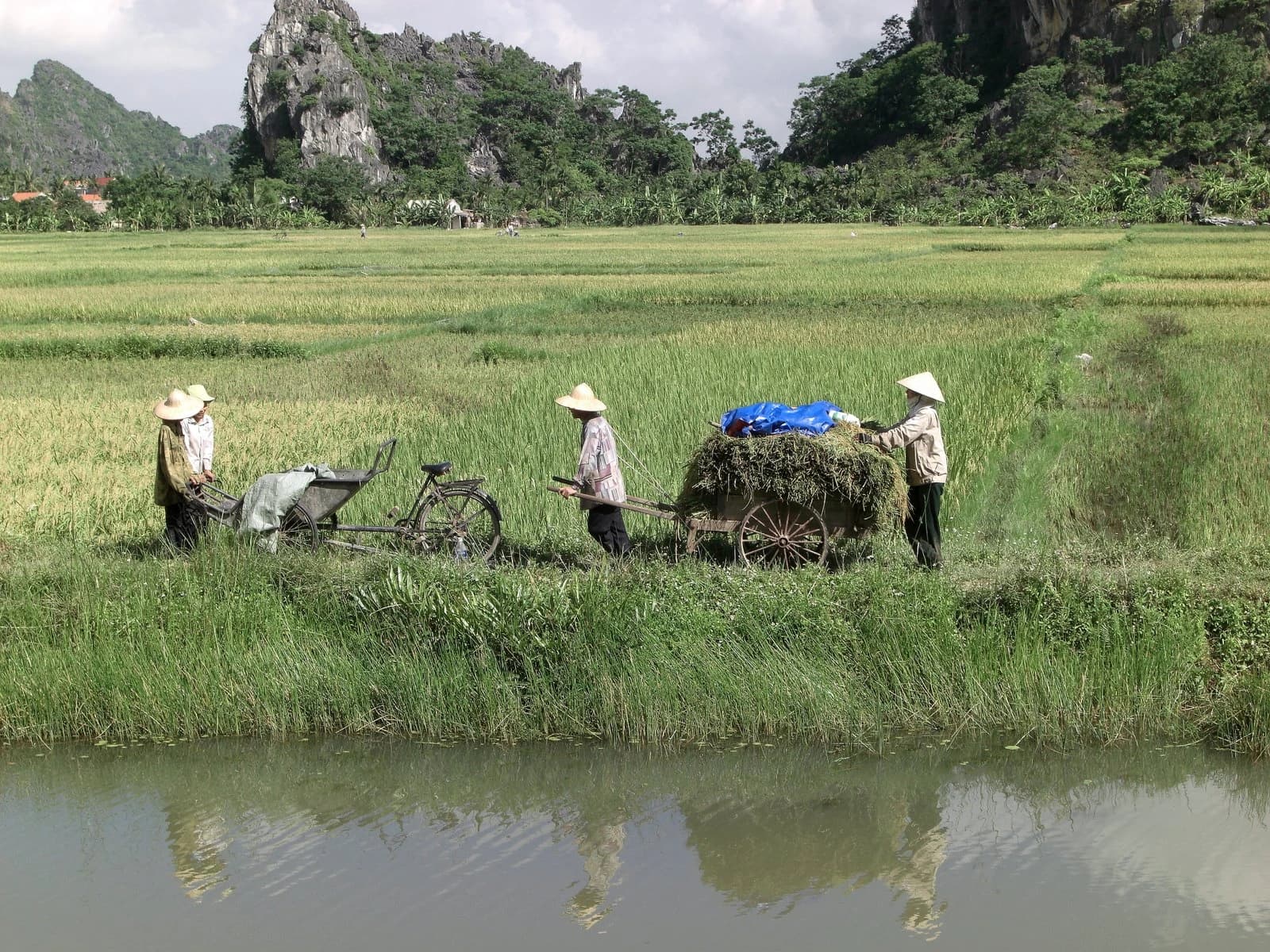
Tay Ninh is expanding its push for lower-emission rice farming with 113 production models covering more than 5,150 hectares in the 2026-2027 winter-spring crop, a move aimed at cutting input costs, improving grain quality and aligning the province with Vietnam’s broader low-carbon agriculture agenda.
Tay Ninh expands low-emission rice farming models
Food & Groceries
The program matters because rice is both a food-security staple and a major source of farm emissions, making even incremental changes in cultivation methods economically significant. By subsidizing 50% of certified seed costs — and, for the low-emission models, half the cost of microbial products used to decompose rice straw — Tay Ninh is directly reducing upfront expenses for growers while nudging them toward practices that can lift yields, improve soil health and curb pollution.
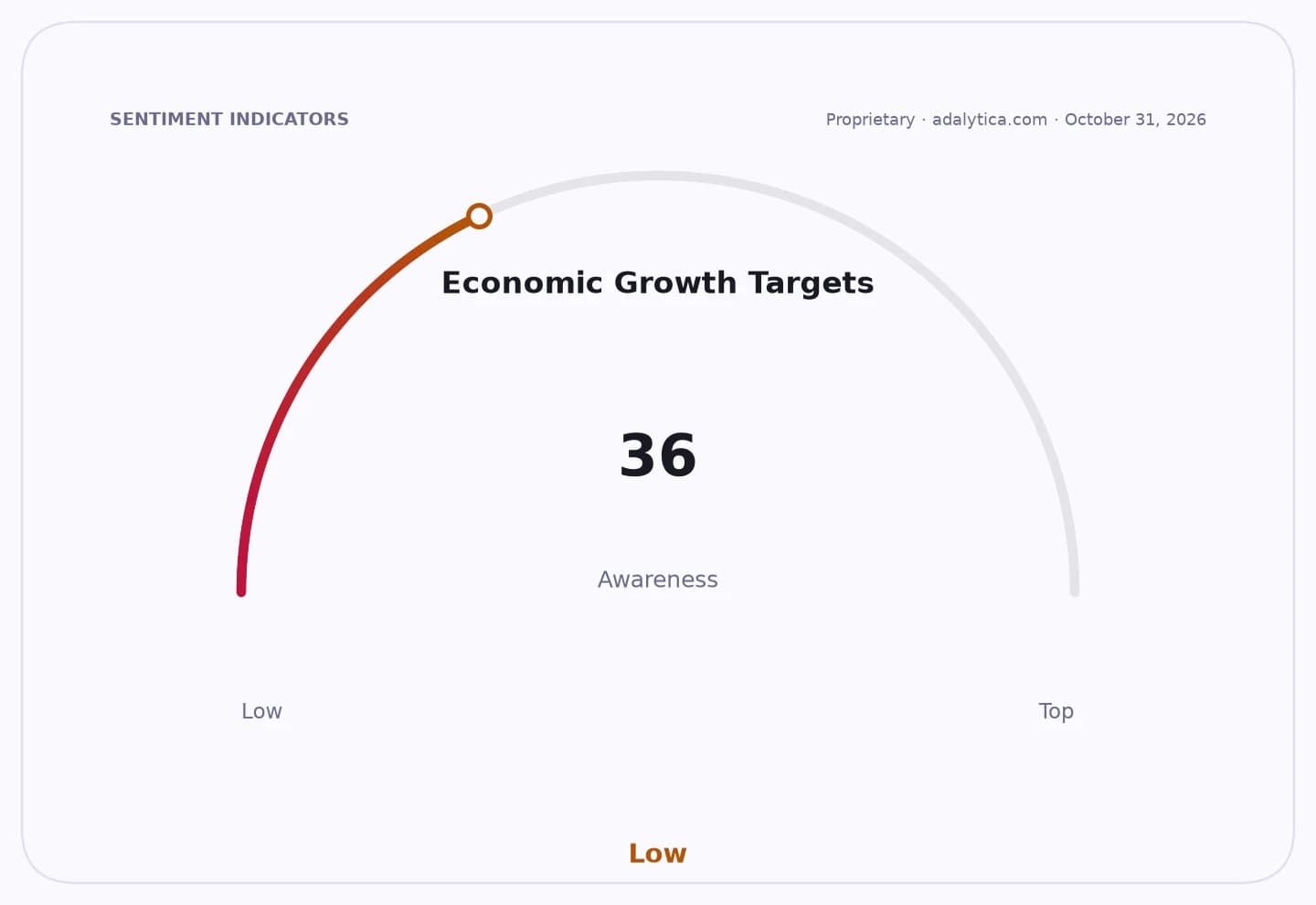
Sentiment Indicators
Of the 113 models, 103 are tied to integrated intensive farming practices across more than 4,850 hectares, with seed support set at 100 kilograms per hectare. Another 10 models, spanning 300 hectares, focus on high-quality, low-emission rice and also receive support for straw-treatment biological products at 80 kilograms of seed per hectare. The scale suggests the province is no longer treating green rice as a pilot concept, but as a production pathway that can be copied across larger areas.
The policy is also being folded into Vietnam’s plan to develop 1 million hectares of high-quality, low-emission rice in the Mekong Delta by 2030, alongside support measures under Decree 112/2024. That linkage is important for investors and agribusinesses because it signals a state-backed attempt to reshape the rice value chain, from seed selection and water management to residue handling and post-harvest practices.
For farmers, the near-term appeal is simple: lower spending on seed, less waste from straw burning and potentially better margins if the methods deliver on promised gains in efficiency. The economic case is strongest where input inflation and tighter cash flow have left growers exposed to losses. In Vietnam, where rice growers have faced pressure from seed quality problems, chain disruptions and volatile prices, support that lowers production risk can be as valuable as a higher farmgate price.
The environmental angle is equally central. Encouraging microbial decomposition of straw instead of open-field burning helps limit air pollution while adding organic matter back into the soil, a practice increasingly tied to climate resilience. If adopted consistently, the approach could also reduce reliance on some fertilizers and pesticides by improving soil structure and crop uniformity.
Investors watching the agriculture complex should view the program as part of a broader structural shift: the state is trying to make rice both more competitive and more climate-compliant. That has implications for seed suppliers, agricultural input distributors, mechanization services and processors that can capture premium supply from better-managed fields. It also raises the bar for firms and cooperatives that still depend on older, higher-emission cultivation methods.
The key risk is execution. Benefits will depend on whether farmers follow the technical protocols on seeding rates, water management and residue treatment, and whether local extension services can verify results at scale. Without consistent compliance and clear metrics on cost savings and emissions cuts, the models could remain subsidized demonstrations rather than a lasting productivity upgrade.
Still, the direction is clear: Tay Ninh is betting that greener rice can also be cheaper rice, and that combination is what makes the policy economically meaningful. If the 113 models show measurable gains, the province could become a template for the rest of the Mekong Delta as Vietnam tries to lift rice quality while meeting climate targets.
| Entity | Gains | Losses |
|---|---|---|
| Tay Ninh farmers | ▲Lower input costs | ▼Less support if compliance slips |
| Province and policymakers | ▲Faster green-transition rollout | ▼Execution and monitoring burden |
| Seed and bio-input suppliers | ▲Higher demand | ▼Lower sales for low-quality inputs |
| Traditional straw-burning practices | ▲— | ▼More regulation and replacement by low-emission methods |