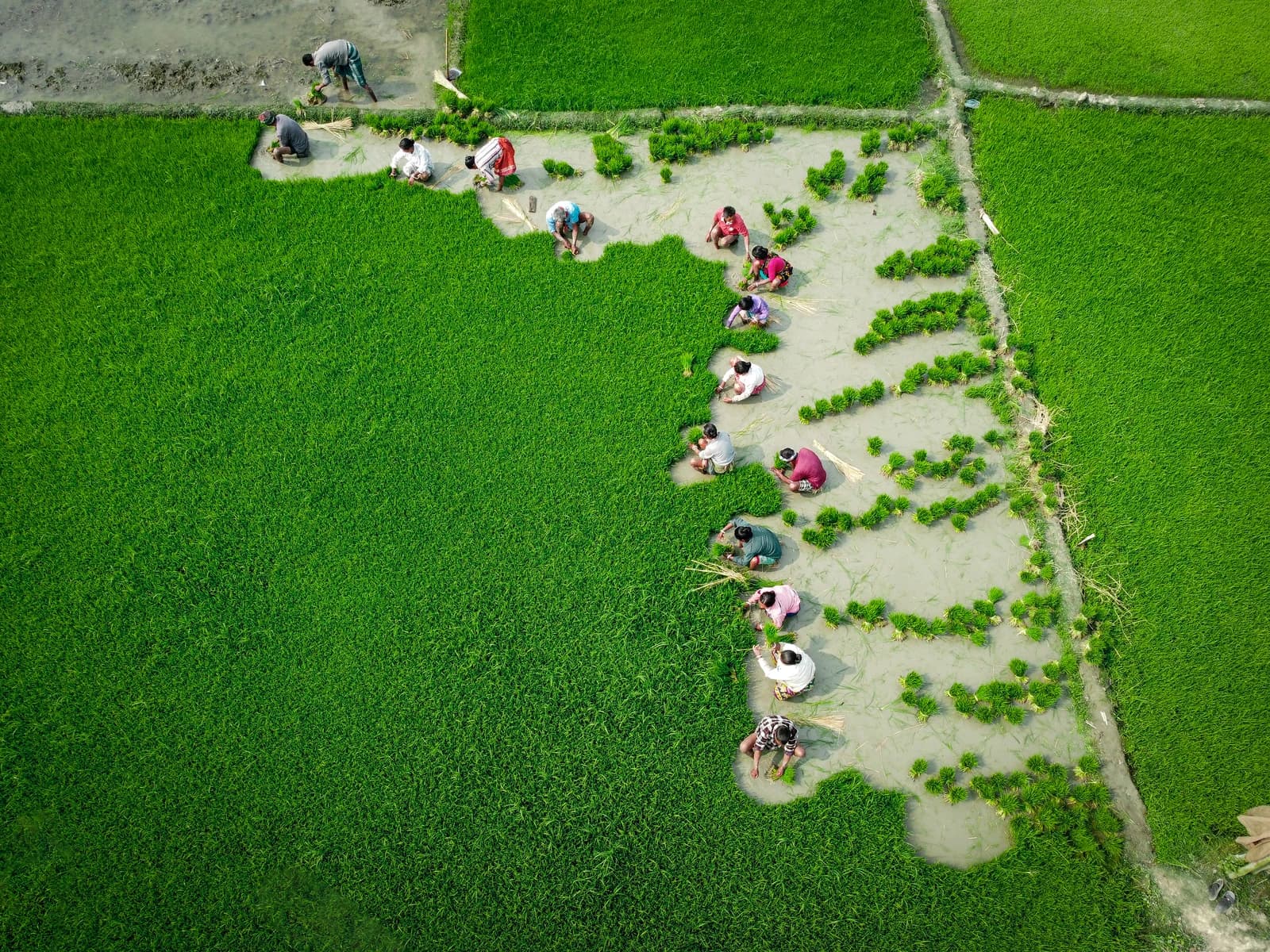
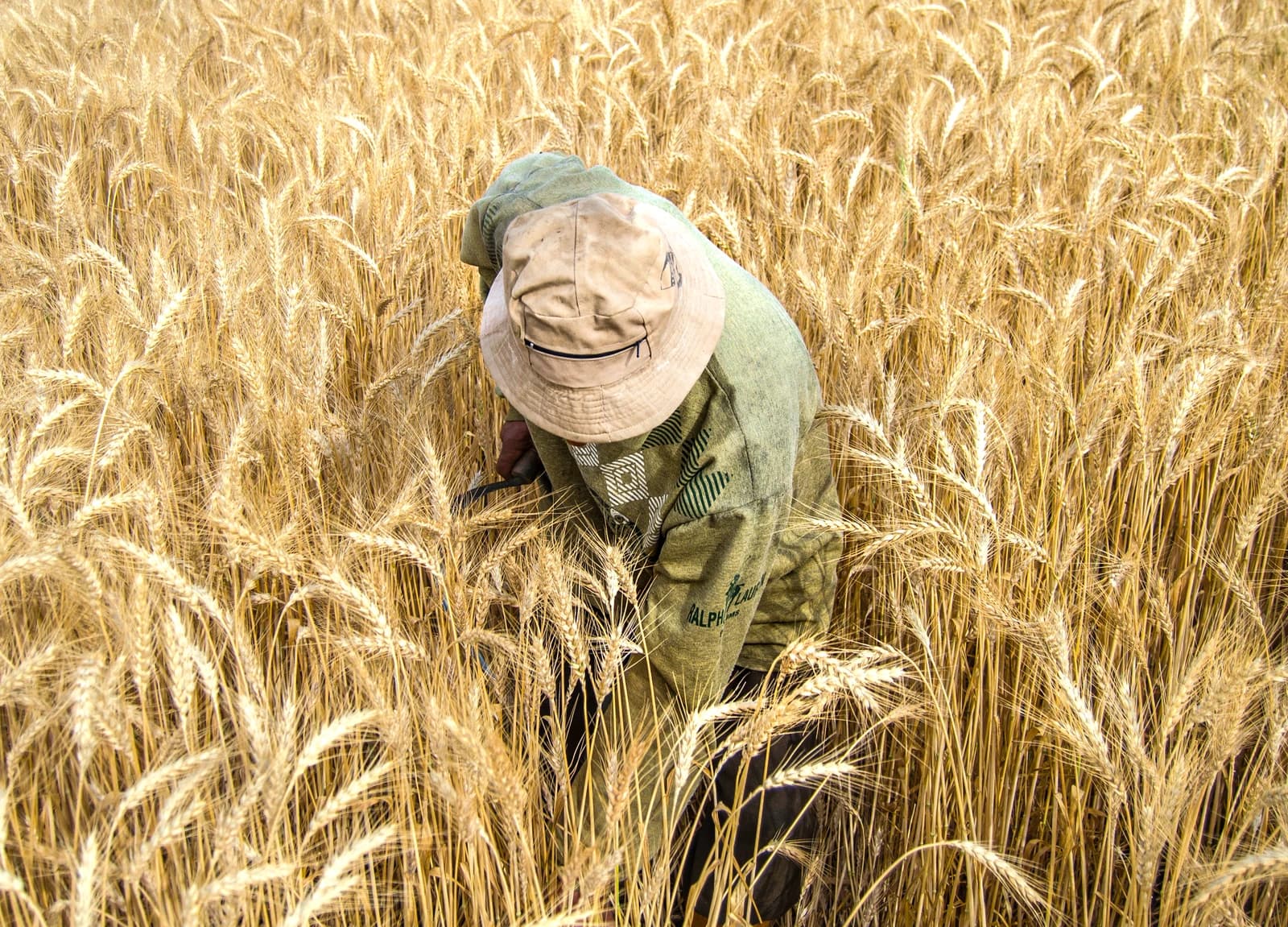
Rice buyers from more than 150 countries are converging on the BIRC 2026 forum just as the global rice market is being tested by slower sales, harvest disease risks and a pullback in Thai exports, underscoring how quickly supply-chain disruptions can filter through one of the world’s most politically sensitive food markets.
Rice market faces slower sales and export pullback
The scale of international attendance matters because rice remains a staple with limited substitution, and the combination of weaker trade flows and crop stress raises the risk of uneven availability and firmer prices in select grades and regions. For governments and importers, that means more pressure to secure supply before local shortages intensify; for producers, it raises the stakes of protecting output at the start of harvest.
Sentiment IndicatorsⓘProprietary · adalytica.com · October 23, 2026
This is a snapshot — live sentiment, awareness and momentum for 130+ markets update continuously in the dashboard.Open AlphaPulse
Recent market signals point to a fragile backdrop. Sales are slowing in some markets as consumers balk at small rice priced at Rs.30 amid quality concerns, while a fungal disease is threatening harvests in Palpa and adding to grower anxiety about rising production costs. At the same time, Thai rice exports fell nearly 20% in the first nine months of 2026, with Middle East tensions disrupting trade routes and lifting transport costs.
That mix is economically important beyond agriculture. Rice is a key inflation input across Asia, Africa and parts of the Middle East, so any supply squeeze can feed directly into consumer prices and food-security budgets. The pressure is especially acute in importing countries that depend on the international market when domestic crops are weakened by weather, disease or policy constraints.
For investors, the event highlights a market where the balance of risk is still skewed toward volatility rather than stability. Agricultural commodities have already shown firmer footing, with the DBA exchange-traded fund trading near its 50-day moving average and above its 200-day average, even as its RSI has slipped back from overbought territory and momentum has cooled. That suggests traders are still pricing in a supportive but uneven backdrop for grains and soft commodities, not a clean uptrend.
The broader narrative is that rice is moving from a local crop story to a trade-and-security story. Large attendance at BIRC 2026 suggests buyers are actively shopping for coverage, but the underlying conditions — disease, cost inflation, and disrupted shipping lanes — imply that procurement may become more competitive if harvest losses deepen or export flows remain constrained.
For investors, the next catalysts will be crop-disease containment, the pace of Asian exports and any signs that importers are restocking ahead of tighter seasonal supply. If those pressures persist, rice pricing could stay firmer than consumers expect, while exporters with reliable supply may gain bargaining power.
| Entity | Gains | Losses |
|---|---|---|
| Rice exporters with reliable supply | ▲stronger pricing power | ▼volume uncertainty |
| Importing countries and buyers | ▲wider sourcing options | ▼higher procurement costs |
| Rice growers facing disease risk | ▲support from tighter markets | ▼crop losses and margin pressure |
| Consumers and food budgets | ▲none | ▼higher retail rice prices |