Farmers and millers in Rajasthan’s Kota mandi are seeing record paddy prices as strong export buying from Iran and other West Asian markets collides with a smaller local crop and depleted mill inventories, tightening supply just as the new harvest begins.
Kota paddy prices hit record on export demand
The spike matters because Kota is a key procurement and processing hub for basmati-linked rice moving out of northwestern India. With mills short of carry-over stock and exporters rushing to fill overdue orders, the mandi is transmitting overseas demand directly into domestic prices, lifting farmgate returns but also raising the cost of raw material for processors and exporters.
Sentiment IndicatorsⓘProprietary · adalytica.com · October 20, 2026
This is a snapshot — live sentiment, awareness and momentum for 130+ markets update continuously in the dashboard.Open AlphaPulse
Prices at the Bhamashah Agricultural Produce Mandi are now running at Rs 1,000-Rs 1,200 per quintal, traders said, the highest level seen at the start of a harvest season. Wet paddy of the 1509 and 1692 varieties is fetching Rs 32-Rs 35 a kg, up from Rs 22-Rs 25 a kg a year earlier, while dry grain is selling for Rs 39-Rs 41 a kg versus Rs 29-Rs 30 a kg last season. The 1718 variety is commanding Rs 35-Rs 38 a kg wet and Rs 42-Rs 44 a kg dry, compared with Rs 25-Rs 28 and Rs 32-Rs 34 previously.
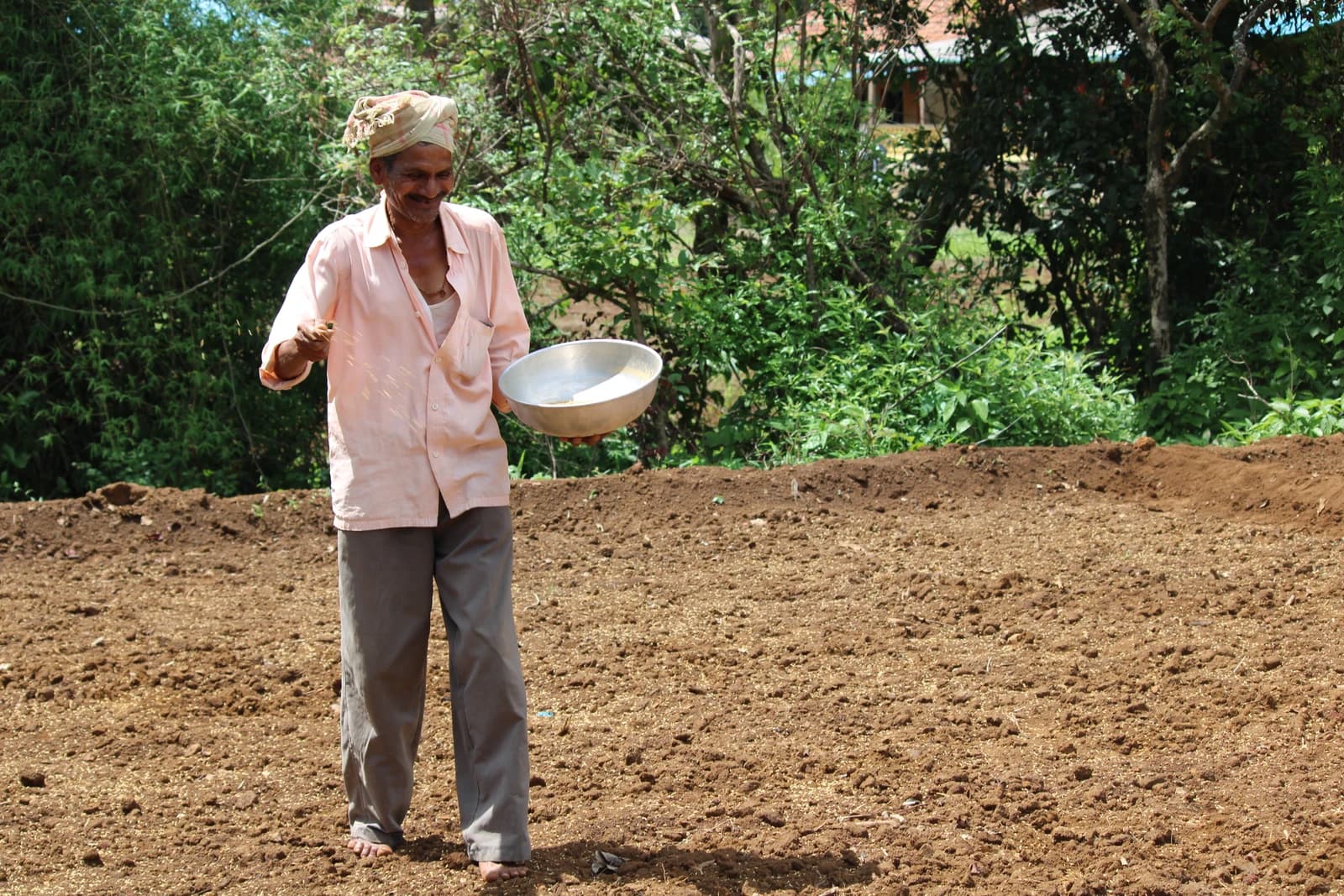
The rally is being driven by a supply squeeze as much as by demand. Rainfall was weaker this year, acreage in Hadoti reportedly fell sharply, and arrivals have been delayed, all of which reduced early-season availability. Farmers also shifted toward direct seeding because of low rains, cutting costs but not enough to offset lower output across the region. Yields of 1509 were around 7 quintals per bigha, while 1718 reached as much as 9 quintals, according to growers.
Export demand is the bigger catalyst. Traders said orders from Iran, Iraq, Saudi Arabia, the UAE and Europe have kept mills buying aggressively, while Iran has sent three vessels now being loaded with grain, creating a near-term deadline for dispatches. That has pushed millers to secure paddy immediately rather than wait for a price correction, and stockists are holding inventory in anticipation of further gains.
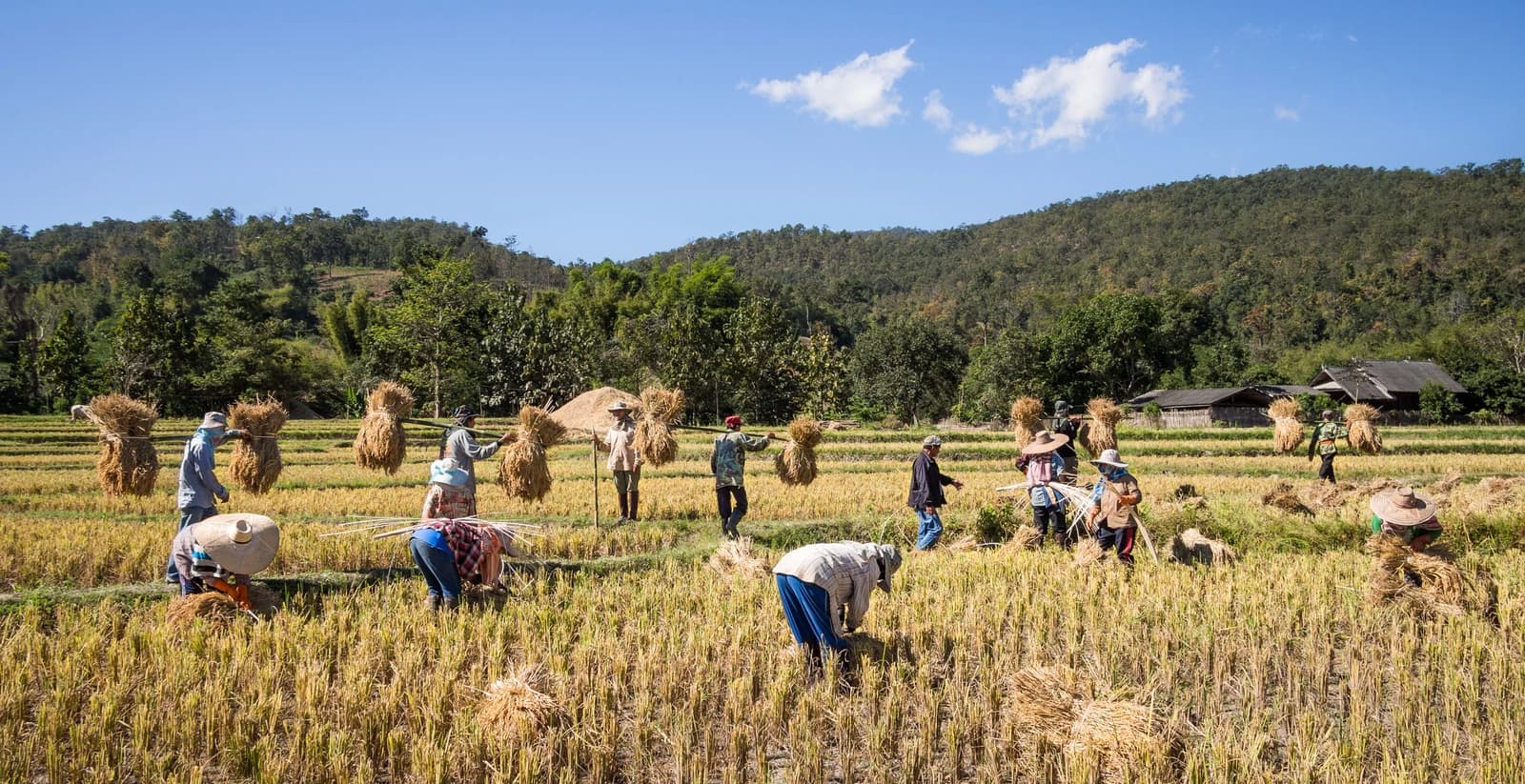
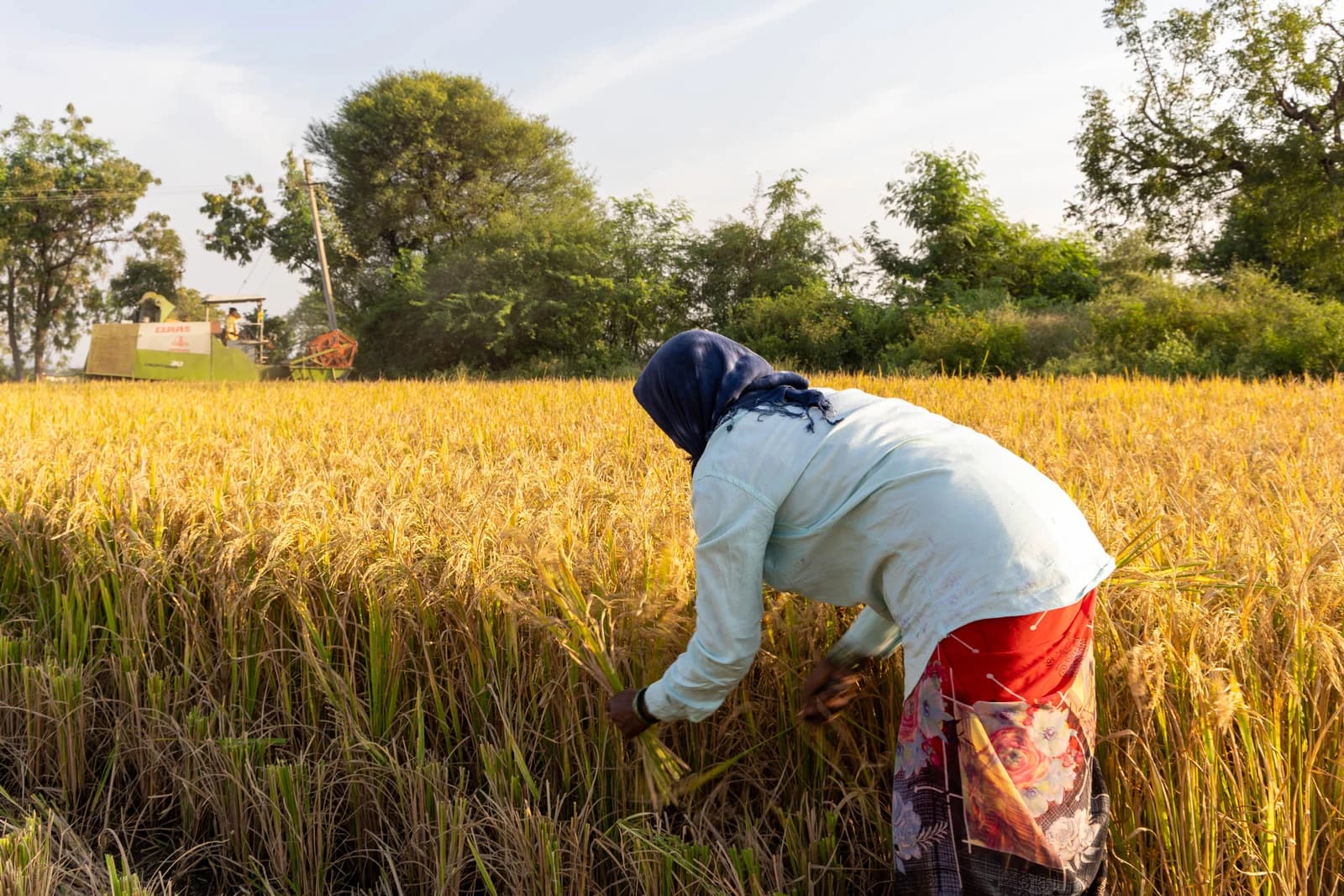
For farmers, the turn is welcome after a season of weather risk and lower acreage. One farmer said returns for the 1509 variety are now running at Rs 25,000-Rs 29,000 per bigha, versus Rs 17,000-Rs 24,000 a year ago. For mills and exporters, the picture is less comfortable: thin stocks and firm overseas demand improve sales volumes, but they also squeeze margins if raw paddy costs continue rising faster than export realisations.
The market will now be watching whether fresh arrivals from Uttar Pradesh, which had better rainfall and a stronger harvest, ease the tightness later in the season. If export demand from Iran and West Asia stays firm, Kota’s early price strength could persist, underscoring how global rice trade conditions are feeding directly into local Indian agricultural markets.
| Entity | Gains | Losses |
|---|---|---|
| Farmers in Kota/Hadoti | ▲Higher farmgate prices | ▼Lower crop volumes |
| Rice mills | ▲Better sales turnover | ▼Higher raw material costs |
| Exporters to Iran/West Asia | ▲Strong overseas demand | ▼Tighter procurement margins |
| Domestic buyers/stockists waiting for cheaper paddy | ▲— | ▼Missed lower entry prices |