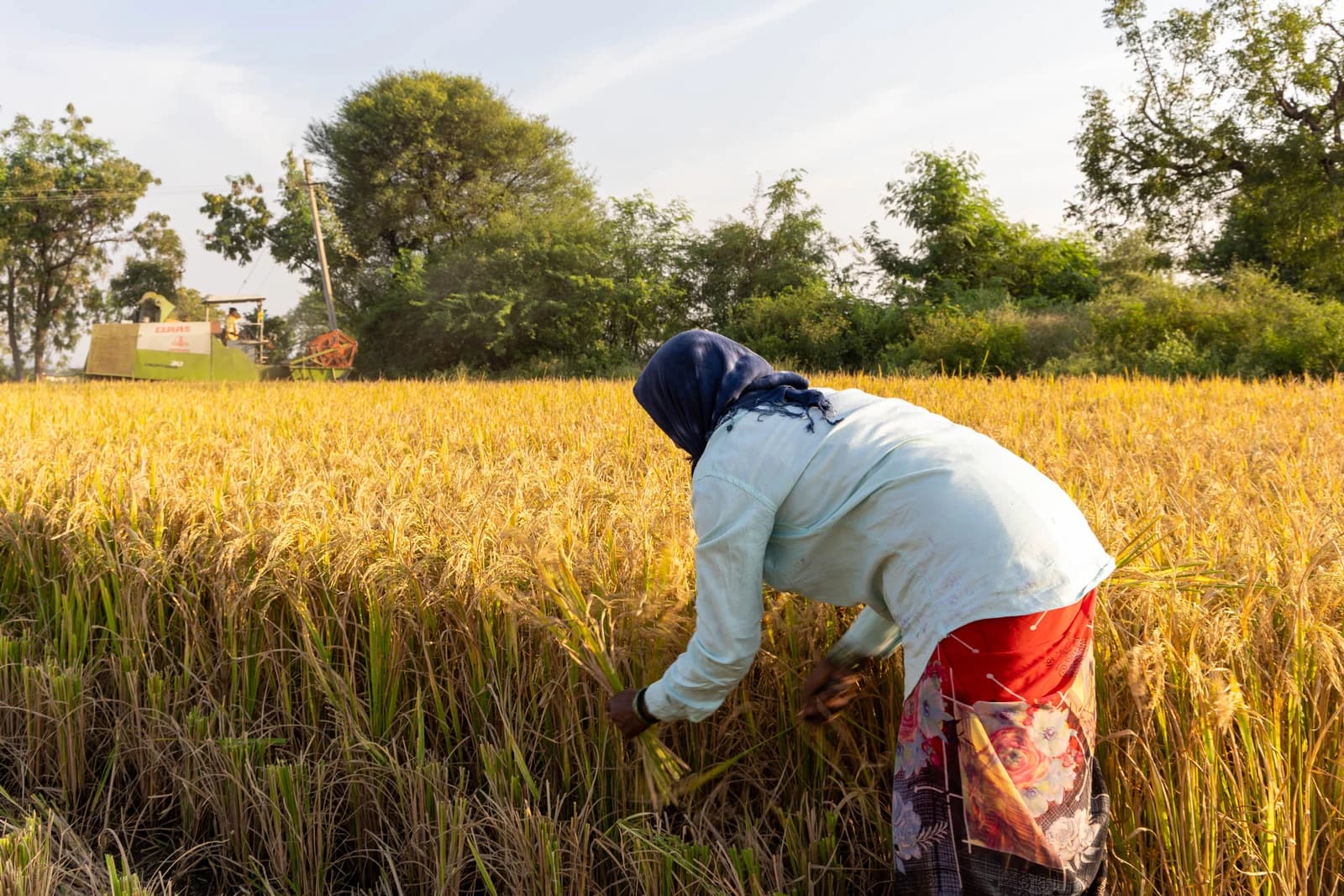
Indrayani rice in Pune district is likely to turn dearer after a drought-hit crop failure in Maval slashed expected output by as much as 70%, tightening local supply in one of Maharashtra’s best-known rice belts.
Indrayani Rice Prices Rise After Maval Crop Failure
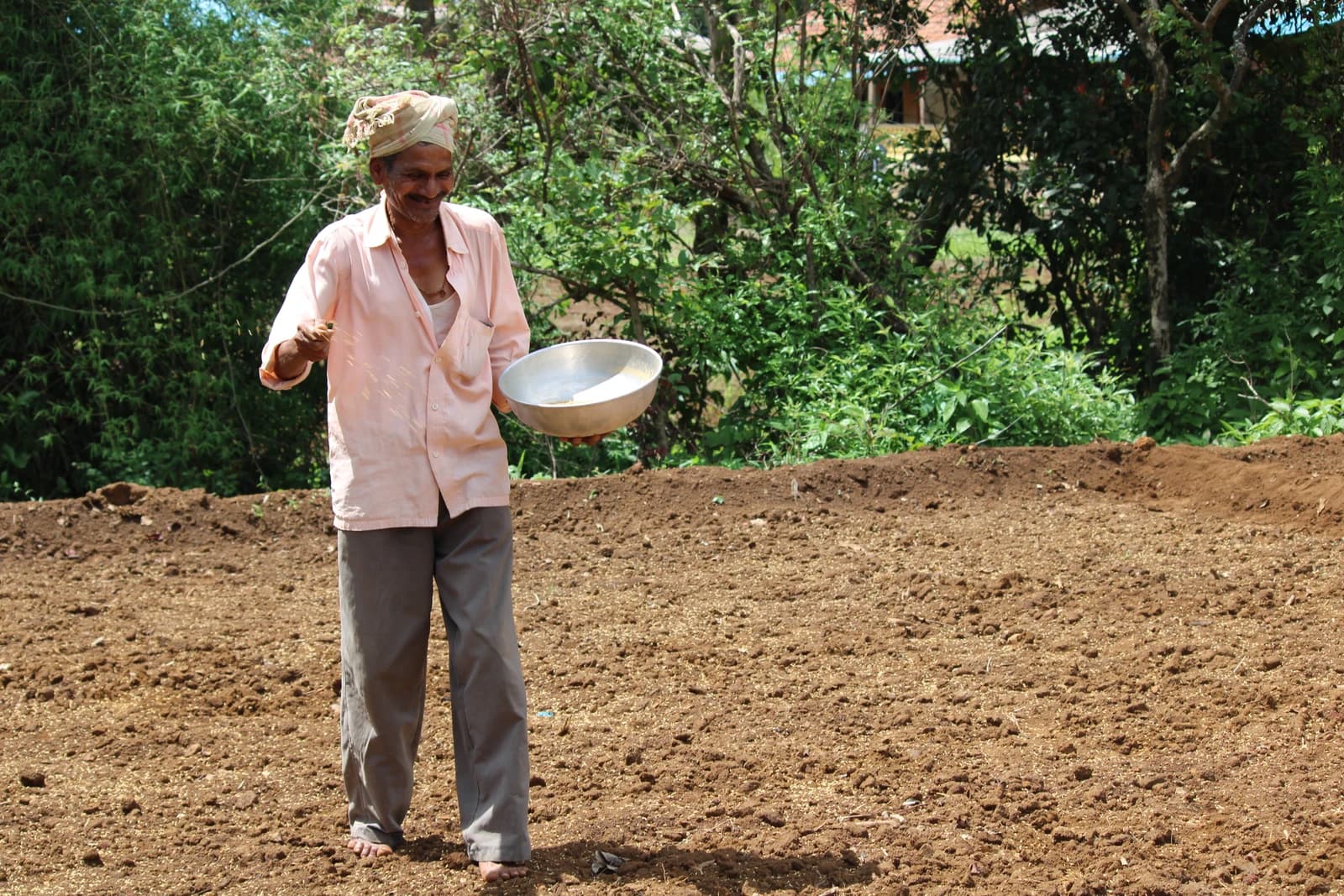
The immediate economic significance is straightforward: less grain from the main growing area means millers, traders and retailers will have fewer supplies to draw on just as households are already facing broader food inflation. Local reports say production in Maval, the main hub for Indrayani paddy, is set to fall to 150-200 tonnes from a normal 500-550 tonnes, after rainfall failed and the crop withered across 65%-70% of the 12,500-hectare area.
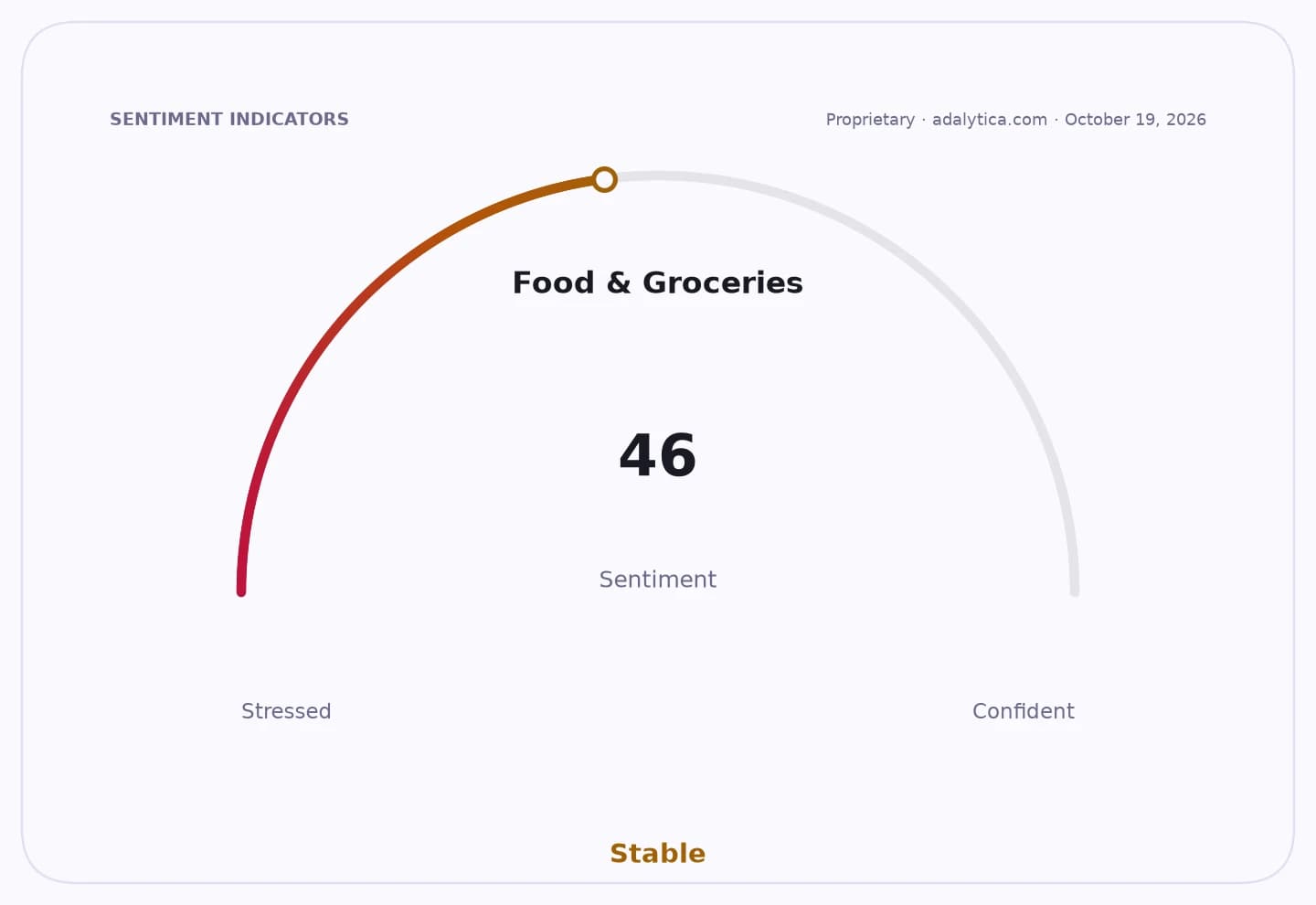
Sentiment IndicatorsⓘProprietary · adalytica.com · October 16, 2026
This is a snapshot — live sentiment, awareness and momentum for 130+ markets update continuously in the dashboard.Open AlphaPulse
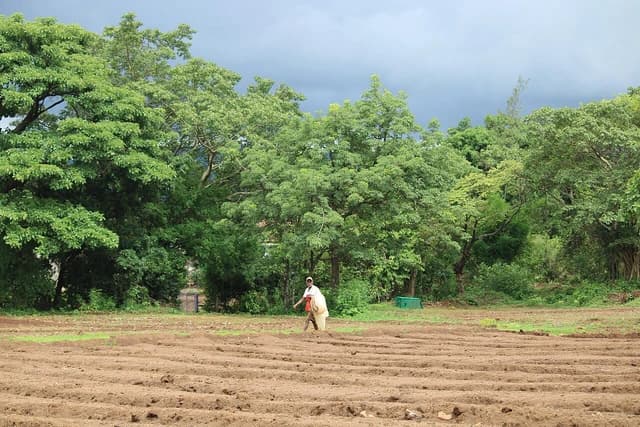
That points to an estimated price increase of about 20 rupees a kilogram, a sharp rise for a staple rice variety used widely in western Maharashtra. The pressure is being compounded by a wider drought pattern across the state, with the government expanding the number of drought-hit talukas and Pune municipal authorities even ordering weekly citywide water shutdowns to manage scarcity.
For consumers, the risk is not just a higher bill for Indrayani rice but a broader squeeze on food budgets. For traders and local food sellers, a smaller harvest means tighter margins, more volatile stocking patterns and a greater chance of passing costs through to buyers. The shortage also comes at a time when food and grocery sentiment, according to Adalytica.com, remains at “Extreme Fear,” underscoring how quickly weather shocks can filter into price expectations.
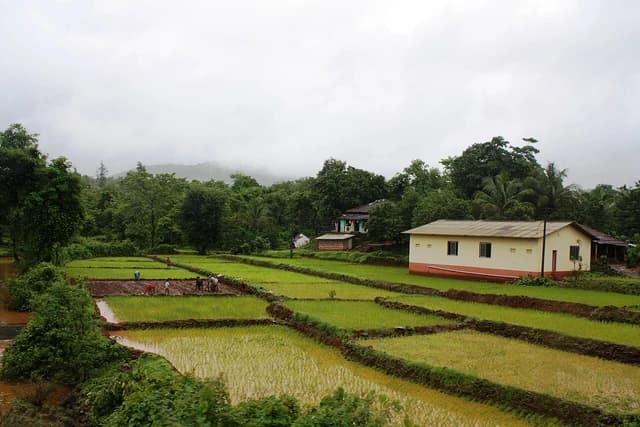
The bull case for farmers is that lower supplies could finally improve farmgate prices after a season of crop losses. The bear case for consumers and restaurant buyers is that any near-term benefit to growers is being offset by a crop that has simply become too scarce. If rainfall does not improve and state relief remains limited, Indrayani prices may stay elevated into the next supply cycle, keeping pressure on households and food vendors across Pune and nearby districts.
| Entity | Gains | Losses |
|---|---|---|
| Rice farmers in Maval | ▲Higher farmgate prices | ▼Smaller harvest volumes |
| Traders and millers | ▲Scarcity-driven pricing power | ▼Tight inventory supply |
| Consumers in Pune region | ▲None | ▼Higher staple food costs |
| Maharashtra government | ▲Pressure to respond | ▼Credibility on drought relief |