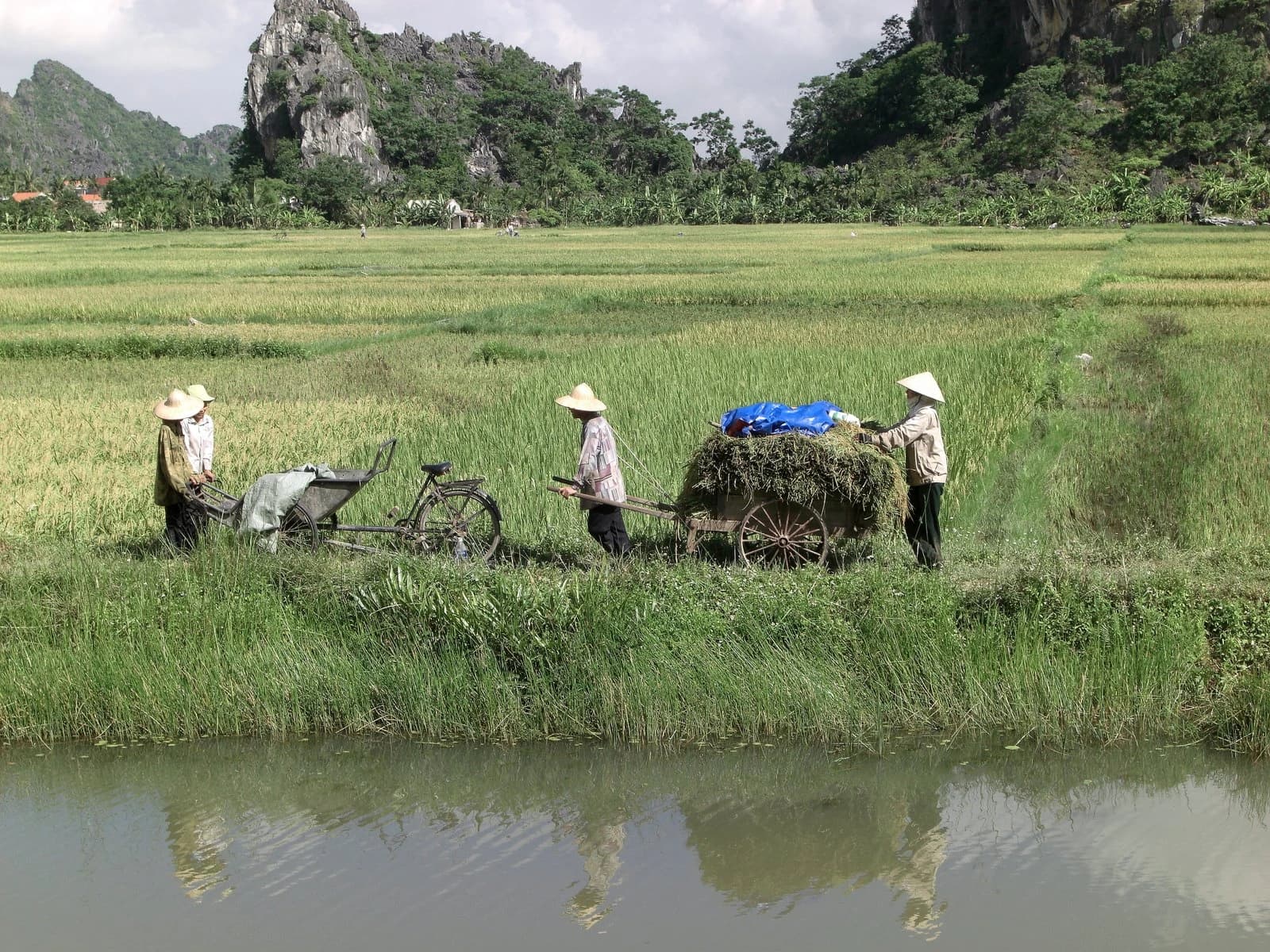
India’s agriculture ministry will launch a nationwide “Khet Bachao Abhiyan” on Thursday, a policy push that could shape input demand, crop yields and rural incomes heading into the Rabi 2026 season.
India launches Khet Bachao Abhiyan on Thursday
That matters because India’s farm economy sits at the intersection of food inflation, fertilizer use and climate risk. A campaign focused on soil health and sustainable practices is not just about conservation; it is about protecting productivity after another year in which weather shocks and rising costs have squeezed growers. For investors, that makes the initiative relevant far beyond the farm gate, touching fertilizers, seeds, agri-equipment, water management and the broader consumer demand recovery in rural India.
Sentiment Indicators
The government said the drive will run through Nov. 30 and aims to improve soil health while promoting more sustainable cultivation methods. The timing is important: late-year farm planning in India often determines input purchases and cropping patterns for the next season, so any push to encourage better soil management can influence everything from fertilizer application rates to the mix of crops farmers choose to plant.
The campaign also lands against a backdrop of climate volatility that has repeatedly exposed the fragility of agricultural output across Asia. Heavy rains and cyclones have hurt cotton growers in recent seasons, while farmers in other markets are being pushed toward more resilient and diversified techniques. The message from New Delhi is clear: the next leg of farm growth will depend less on acreage alone and more on efficiency, resilience and resource discipline.
For markets, that creates a subtle but important shift. If the campaign succeeds, the beneficiaries are likely to be companies tied to soil testing, precision agriculture, irrigation and farm productivity tools rather than pure volume-driven fertilizer names. Over time, the policy could also support food-supply stability and temper inflation pressure, which matters for monetary policy and for consumer-sensitive sectors.
Our view is that the market underestimates how quickly India’s farm policy is moving from subsidy-led support to productivity-led intervention. That transition favors the picks-and-shovels of sustainable agriculture, especially firms exposed to soil analytics, micro-irrigation, farm mechanization and climate adaptation. The real opportunity is not in betting on one harvest; it is in positioning for a multi-year structural upgrade in how India farms.
| Entity | Gains | Losses |
|---|---|---|
| Indian government | ▲Better soil stewardship | ▼Near-term policy scrutiny |
| Farmers | ▲Higher productivity | ▼Adjustment costs |
| Agri-input makers | ▲Demand for sustainable products | ▼Volume-only models |
| Food consumers | ▲More stable supplies | ▼Limited short-term relief |