A 32-year-old mechanical engineer in Punjab has built a small-scale farm business that says as much about the future of agriculture as it does about one man’s career change: diversified crops, livestock, beekeeping and direct-to-consumer sales are turning land into a higher-margin enterprise.
Punjab Farm Uses Diversified Crops and Direct Sales
That matters because the big economic problem in farming is not just production, but profit. Singh’s Asees Natural Farm is showing how a small landholding can become commercially viable when a farmer moves beyond wheat and paddy, cuts out intermediaries and sells directly to customers. He estimates net profit of as much as Rs 3 lakh per acre in good conditions, a figure that will vary widely and is not a promise other farmers can replicate, but it underscores why younger workers may be willing to stay in agriculture if the economics improve.
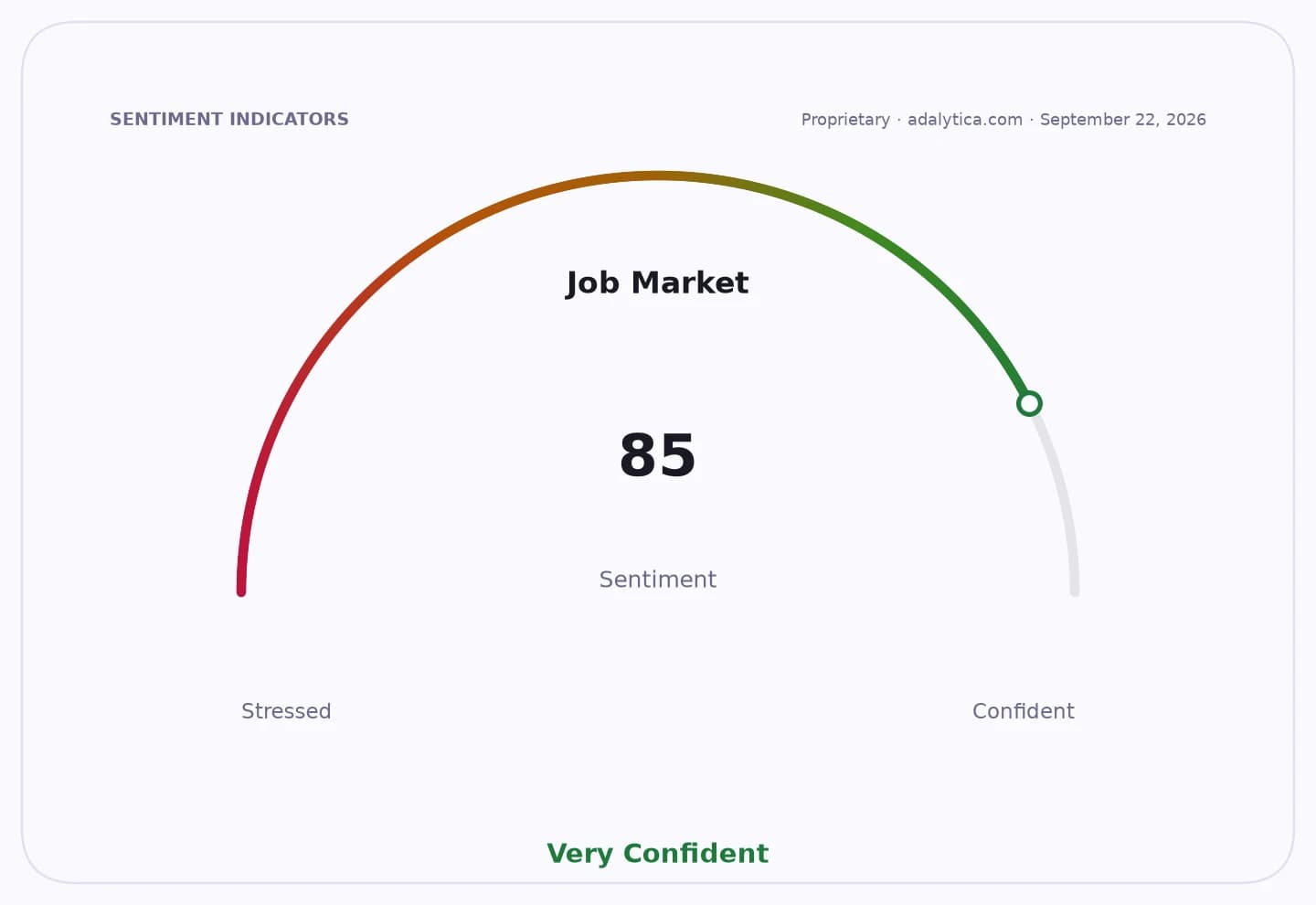
Sentiment IndicatorsⓘProprietary · adalytica.com · October 24, 2026
This is a snapshot — live sentiment, awareness and momentum for 130+ markets update continuously in the dashboard.Open AlphaPulse
The model is built on several revenue streams rather than one crop. Singh cultivates organic vegetables and pulses on four acres, keeps five dairy animals, raises poultry, and runs beekeeping. He sells to about 50 regular customers and at a Sunday market in Amritsar, giving him a direct route to buyers instead of relying entirely on middlemen. His farm also covers more than 90% of his household’s daily needs, which helps keep living costs down and improves resilience when market prices swing.
For investors, the broader lesson is that food demand is shifting toward traceable, locally sold and environmentally friendlier products. That creates opportunity not only for farmers, but for businesses tied to premium food, direct distribution, agri-tech, cold storage, logistics and branded consumer staples. It also explains why companies that can secure reliable supply from farmers with better incentives often gain an edge over commodity-only sourcing models.
There are real risks, of course. Organic farming can mean lower yields, more labor and more time in the field. Singh’s approach depends on weather, customer access and the discipline to manage crops, animals and sales all at once. It is not a template for every farmer, and it is certainly not a guarantee of returns.
Still, the long-term message is powerful. In a country where farming often means thin margins and dependence on subsidized staples, a diversified, market-facing approach can create a more durable business. For investors watching the future of food, the real story is not one farmer’s side hustle — it is the emergence of a higher-value agricultural model worth watching for years, not quarters.
| Entity | Gains | Losses |
|---|---|---|
| Small diversified farmers | ▲Higher margins and resilience | ▼Dependence on commodity pricing |
| Direct-to-consumer buyers | ▲Fresher traceable produce | ▼Fewer low-cost bulk options |
| Intermediaries | ▲— | ▼Reduced role in farm-to-market chain |
| Agri-input and food logistics firms | ▲Demand for premium supply chains | ▼Commodity-only operators |