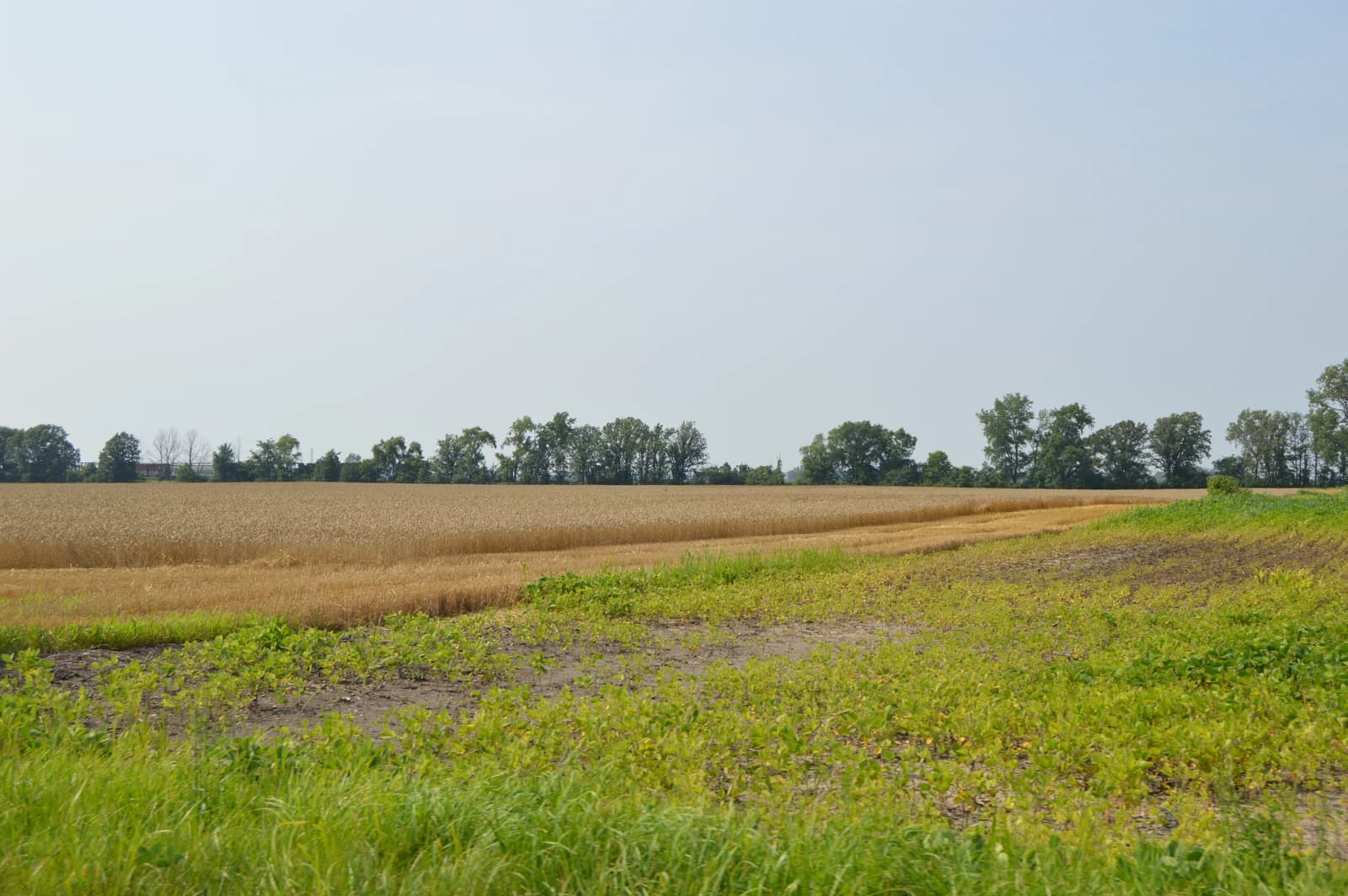
Soybean farmers in Telangana are getting a rare pricing lift this season as private traders, particularly from Maharashtra, bid above the government’s minimum support price and are buying directly from farmyards, easing a long-standing bottleneck in local procurement.
Telangana Soybean Prices Rise Above MSP
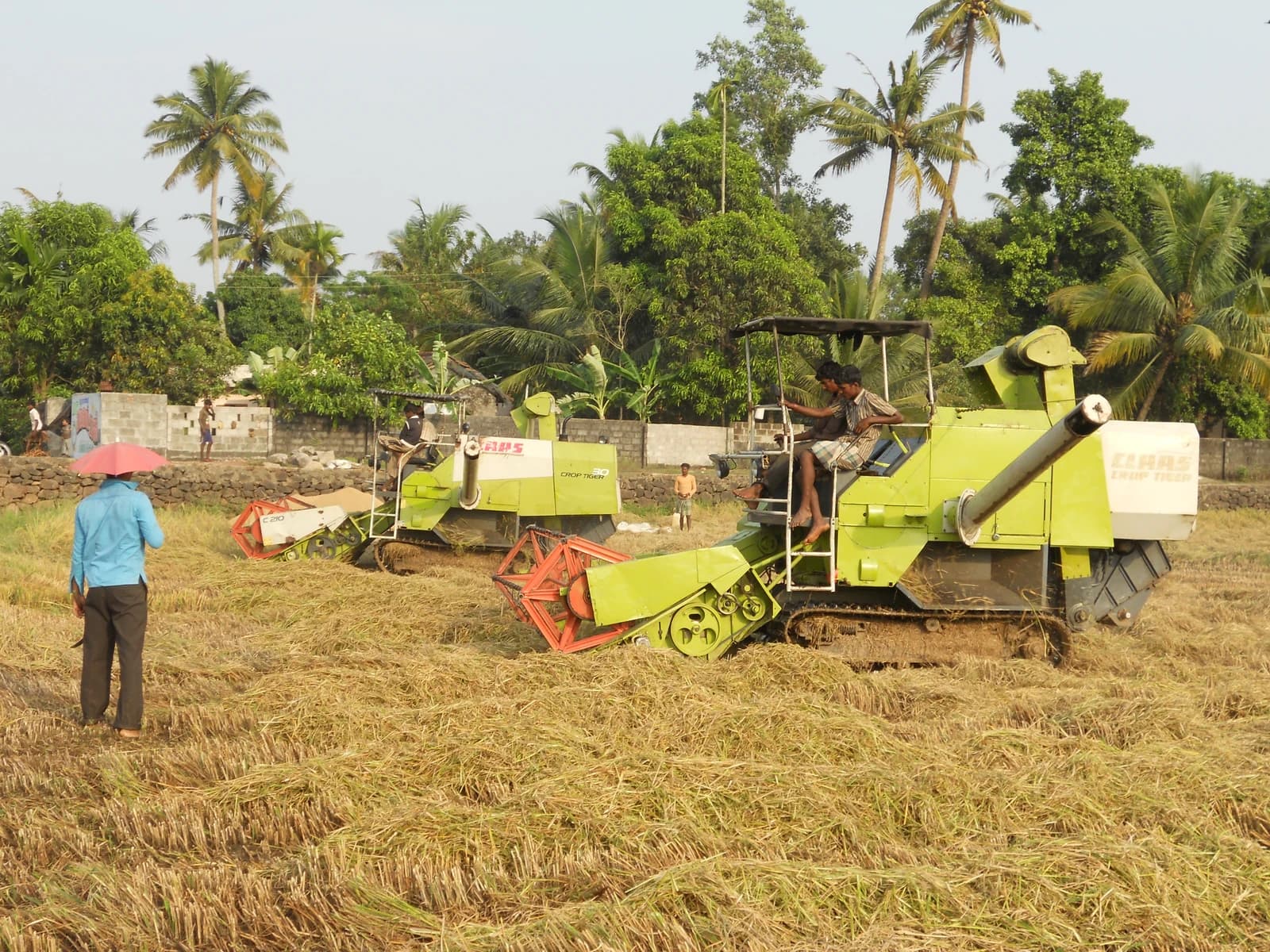
The shift matters because it changes the economics of harvest time for growers in a state where soyabean is concentrated in the old Adilabad, Nizamabad and Sangareddy districts. Farmers had previously faced weeks of delay in government-linked procurement, forcing them to dry crops on roadsides and absorb storage and weather risk. This year, the presence of competing buyers is allowing them to move grain quickly and secure cash sooner, improving farm income and reducing post-harvest losses.
The government has fixed the minimum support price for soyabean at Rs 5,708 a quintal, but traders are reportedly paying Rs 6,700 to Rs 6,800, or about Rs 992 to Rs 1,092 more than the floor. In a commodity where many growers spend about Rs 15,000 an acre and typically harvest 7 to 10 quintals, that premium can materially improve margins. For farmers selling several quintals at once, the difference is enough to offset transport costs, storage losses and part of the seasonal credit burden.
The development also underscores how private trade can fill gaps left by public procurement systems. Earlier, growers often waited 25 to 30 days for procurement centres to open or function effectively. The resulting delay exposed produce to rain damage and quality deterioration. Direct pickup at threshing yards is now shortening that cycle to two or three days for some sellers, according to farmers, which is important in a crop with limited on-farm storage and high vulnerability to moisture.
For traders, the higher bids suggest a tight local supply picture, better access to raw material or confidence in downstream crushing demand. For farmers, the upside is immediate and concrete: faster turnover, lower handling losses and a better realized price than the state floor. But the gains may prove temporary if market conditions soften or if trader buying retreats once the peak harvest window passes.
The broader signal is that price discovery in Telangana’s oilseed market is being set less by official procurement and more by competition among private buyers. That is bullish for growers in the short term, but it also raises a policy question: whether government support prices are functioning as a true safety net or merely a reference point in a market now being driven by private demand.
Investors and commodity watchers will be looking at whether the current buying pace persists through the harvest season and whether stronger local prices feed into regional oilseed markets. If private demand holds, it could support farm incomes and procurement efficiency; if not, the same growers could quickly return to the familiar problem of delayed sales and pricing stress.
| Entity | Gains | Losses |
|---|---|---|
| Soybean farmers | ▲Higher realized prices | ▼Less if buying slows |
| Private traders | ▲Secure local supply | ▼Pay above MSP |
| Government procurement system | ▲Less immediate pressure | ▼Relevance in market fades |
| Input and transport providers | ▲More farmgate activity | ▼Fewer distressed sales |