PTPN IV and FKS Foundation are building a small but potentially durable soybean pipeline in Banyuwangi, tying farmer training to a seed-reuse model and a guaranteed offtake plan that could improve local supply security and incomes.
PTPN IV and FKS Foundation Build Banyuwangi Soybean Pipeline
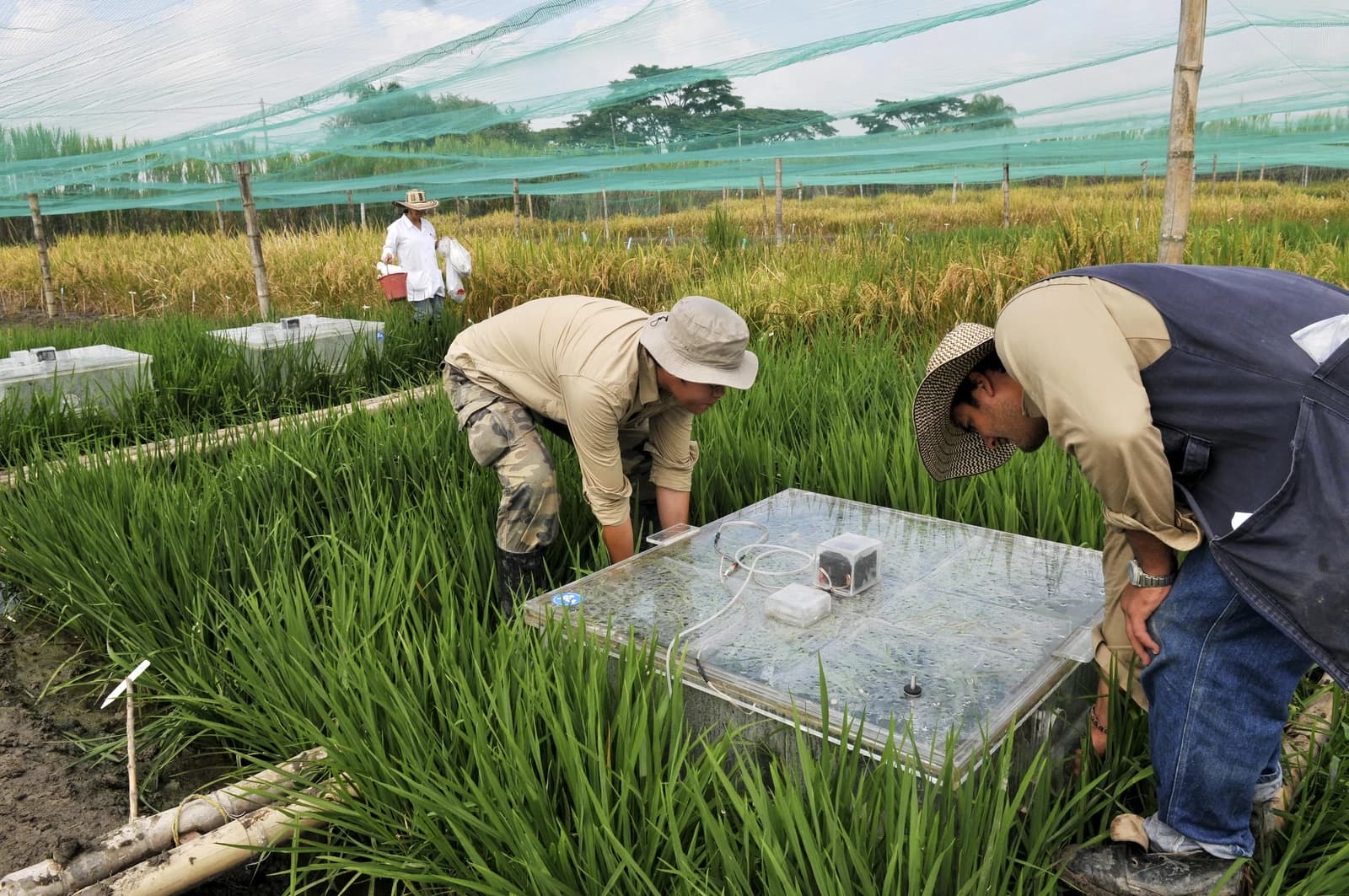
The collaboration centers on local soybean cultivation in East Java, where the first harvest will be prioritized as seed for the next planting cycle. That structure matters economically because it reduces farmers’ dependence on outside seed supply and helps create a self-reinforcing production loop in a commodity Indonesia still imports heavily.
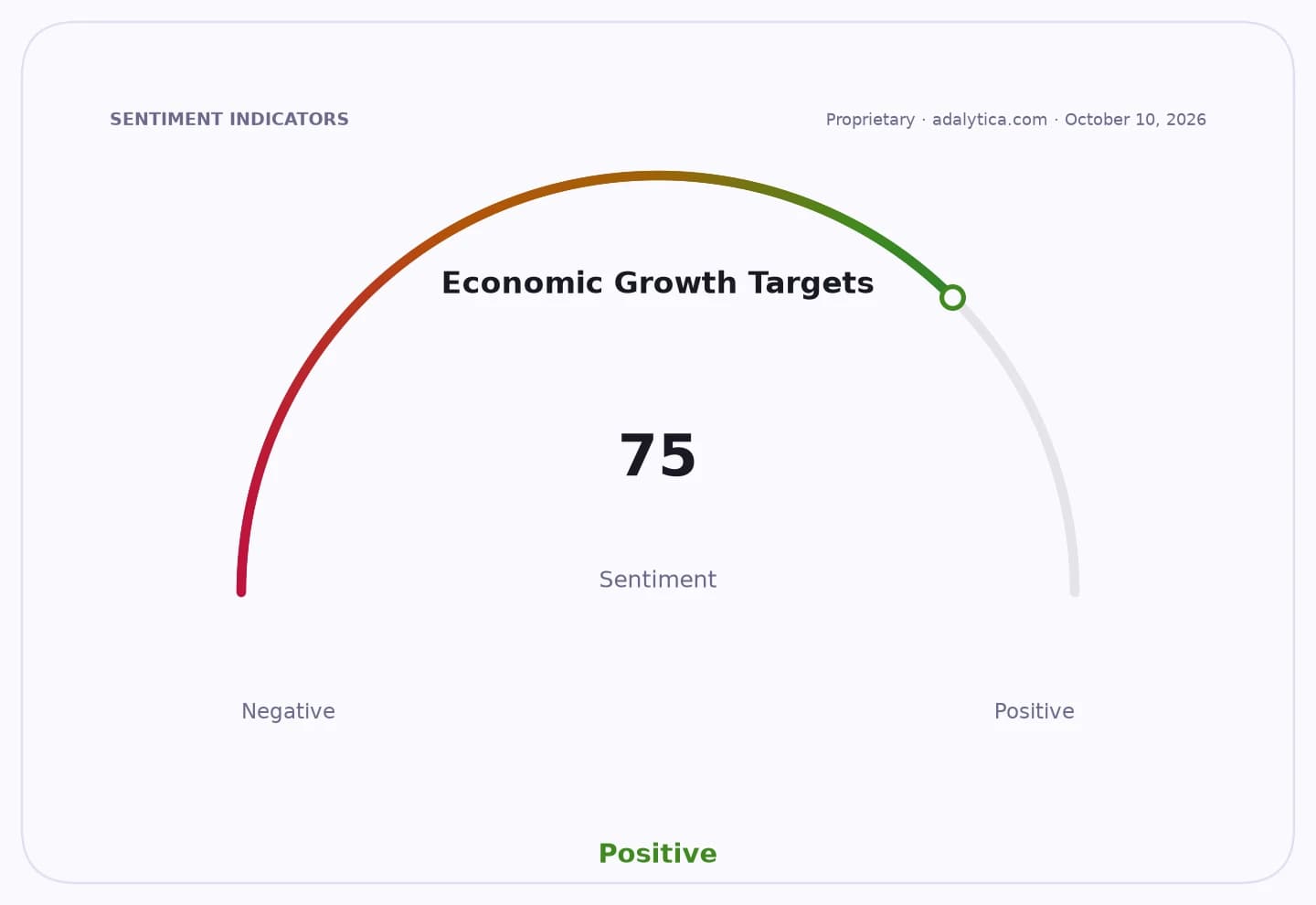
Sentiment IndicatorsⓘProprietary · adalytica.com · October 23, 2026
This is a snapshot — live sentiment, awareness and momentum for 130+ markets update continuously in the dashboard.Open AlphaPulse
FKS Foundation will absorb the second harvest, giving growers a clearer market and lowering the risk that rising production translates into unsold output. For farmers, that combination of technical assistance and assured demand is more valuable than one-off planting support: it links agronomy to cash flow.
PTPN IV’s role adds scale and institutional credibility to the effort, while the involvement of Ustadz Ari Handoko extends field-level mentoring on planting and crop care. The aim is to improve yield quality now and preserve the ability to plant again later, a critical step in making a regional soybean ecosystem commercially sustainable.
The timing also fits a broader soybean market that remains tight and highly sensitive to supply chains, weather and trade flows. As benchmark soybean futures have strengthened on solid export demand, programs that raise domestic output and reduce import reliance can matter for food processors, livestock feed users and agribusiness investors watching input costs.
For investors, the story is less about immediate earnings impact than about execution: if the model scales, it could create a repeatable sourcing channel for processors and a more stable income base for farmers. The next checkpoints are whether the first crop can reliably become seed and whether the second harvest is absorbed as planned.
| Entity | Gains | Losses |
|---|---|---|
| PTPN IV | ▲Rural development reach | ▼Short-term execution risk |
| FKS Foundation | ▲Secure soybean sourcing | ▼Higher program costs |
| Banyuwangi farmers | ▲Seed access, buyback certainty | ▼Dependence on program delivery |
| Import-dependent buyers | ▲Potential local supply boost | ▼Less reliance on imports |