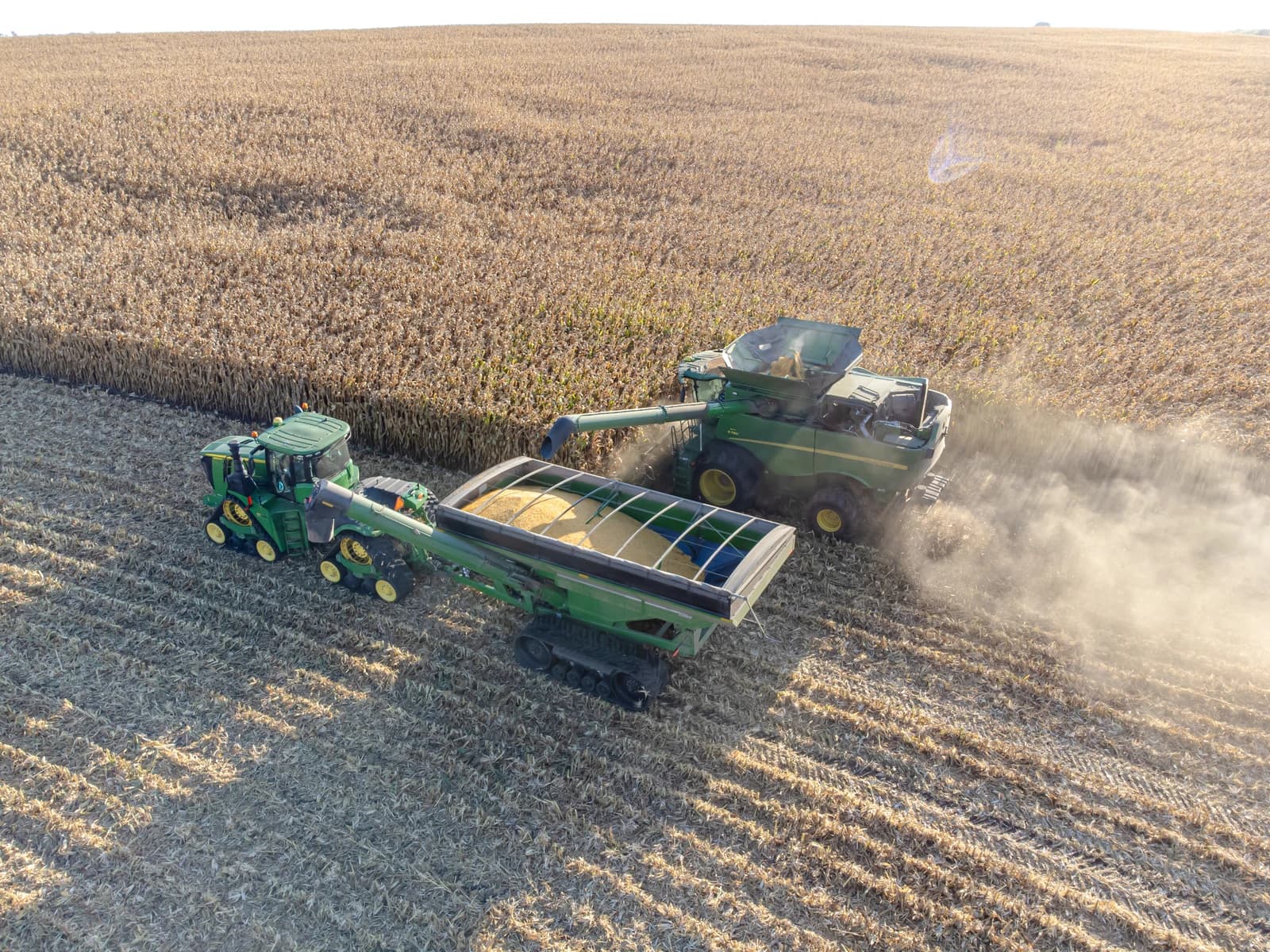
Adilabad district is moving to protect soybean growers from distressed selling by opening 10 procurement centres where farmers can sell at the minimum support price, a step that can directly lift rural incomes in one of Telangana’s key oilseed belts.
Adilabad Opens 10 Soybean MSP Procurement Centres
The centres will be set up in Adilabad, Jainad, Bela, Ichoda, Both, Utnoor, Indervelli, Narnoor and Neradigonda, with district officials told to ensure payments are credited directly to farmers’ bank accounts, according to local authorities. For growers facing volatile market prices and higher input costs, the procurement network is meant to convert the government’s price-support promise into cash flow at the farm gate rather than on paper.
That matters beyond one district. In India, MSP-backed buying remains one of the few tools that can stabilise farm incomes when market arrivals are heavy or private traders push prices below official support levels. Soybean is especially sensitive because it feeds into the broader oilseeds complex, where domestic prices also interact with import dependence, crushing margins and edible-oil inflation. A functioning procurement system can therefore influence not just cultivator returns but also local trade flows and seasonal price pressure.
Collector Rajarshi Shah reviewed soybean acreage and yield with officials before announcing the centres, underscoring that the plan is not simply administrative but tied to the district’s harvest profile. Agriculture officials, market officers and the Markfed district manager were present, indicating the effort will rely on the state procurement machinery rather than ad hoc purchases.
For investors and agribusinesses, the immediate impact is likely to be felt in regional supply discipline. Traders that depend on buying below MSP may face less leverage in the harvest window, while procurement agencies and state-backed storage networks may see higher volumes. In listed agricultural commodity names, the broader read-through is modest but relevant: government intervention tends to cap downside in domestic oilseed prices and can tighten nearby supply if farmers choose official centres over open-market sales.
The bigger question is execution. MSP benefits only matter if centres open on time, grading is consistent and payments are quick. If that holds, Adilabad’s soybean growers gain a floor under earnings and the state gets a more orderly procurement season. If it does not, farmers may still be forced back into the private market, leaving the price-support promise largely intact in principle but weak in practice.
| Entity | Gains | Losses |
|---|---|---|
| Adilabad soybean farmers | ▲MSP-backed price floor | ▼Distressed selling |
| State procurement agencies | ▲Higher official procurement | ▼Less room for market bargaining |
| Local traders | ▲Stable volumes, orderly arrivals | ▼Bargaining power |
| Soybean buyers | ▲Predictable supply chain | ▼Cheaper spot purchases |