Colombia’s rice industry is being set up for a major reset as the government and producers agreed to launch a new production-ordering model in the first half of 2027, a move that could reshape how the country plants, prices and finances one of its most politically sensitive staples.
Colombia rice market reform set for 2027 rollout
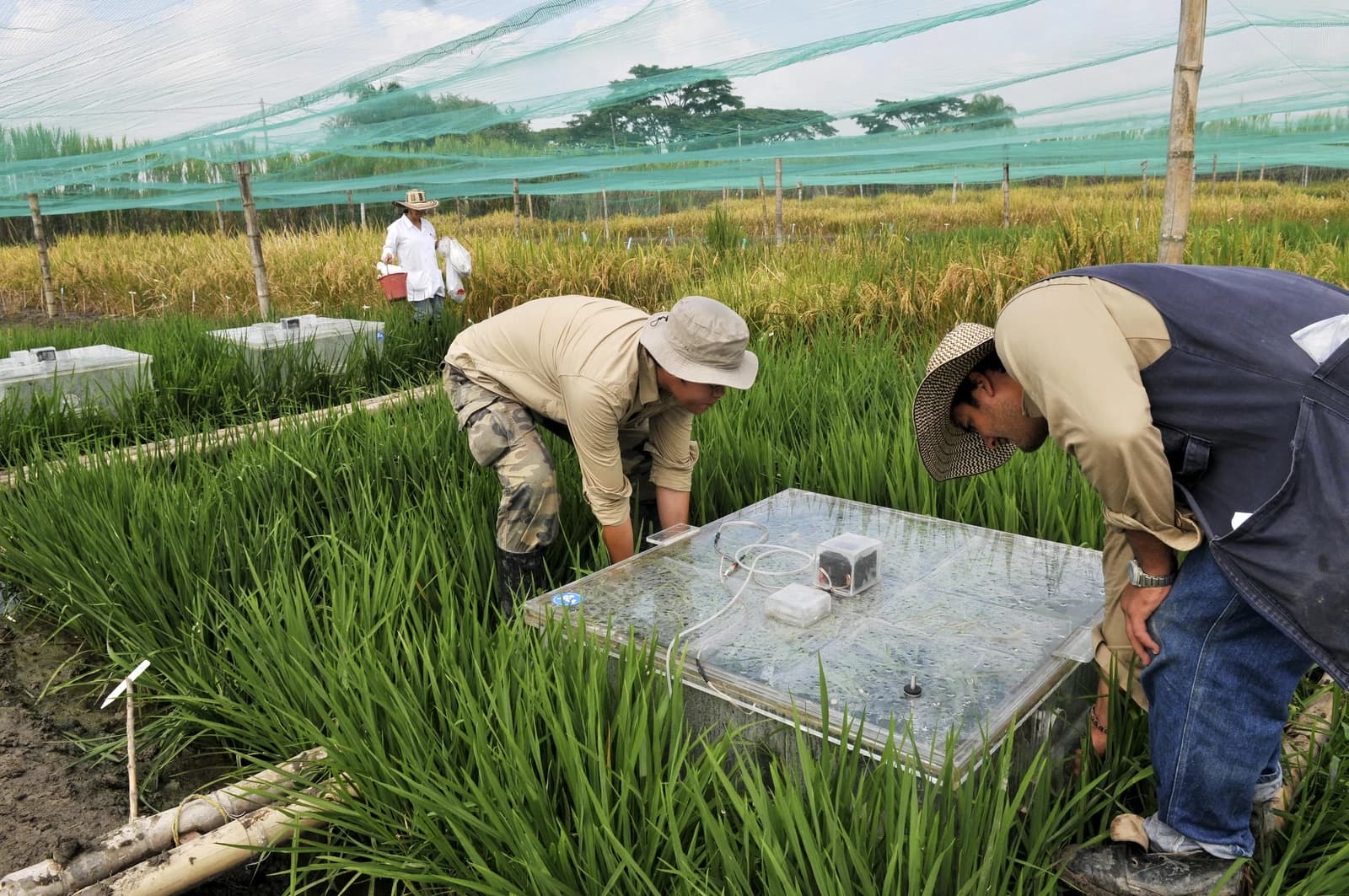
The agreement matters because rice sits at the intersection of food inflation, farm income and import competition. By promising to organize supply through zoning, national crop mapping, price formation and risk tools, Bogotá is trying to reduce the boom-bust cycle that has squeezed growers and unsettled consumers. For investors and agribusiness players, that raises the odds of a more transparent market, but also a more regulated one.
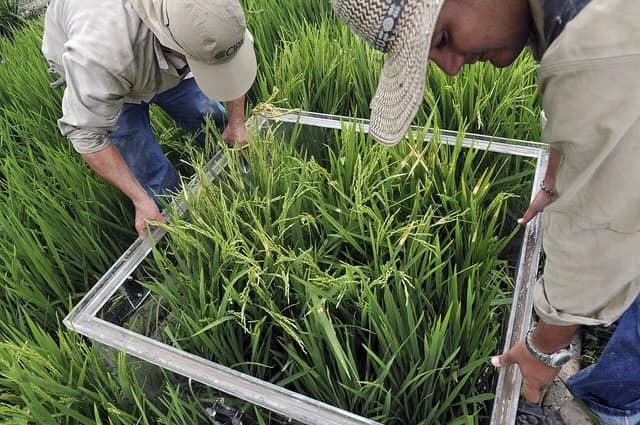
The National Rice Council, attached to the agriculture ministry, said the model will rest on four pillars: supply, market, producer resilience and competitiveness. The supply piece will use planting-planning mechanisms, including departmental zoning, to better match output with demand. Authorities also plan a national rice census to identify planted area, production volumes and producer characteristics.
That kind of data is not just administrative housekeeping. In a market where planting decisions are fragmented and price signals can be distorted by uneven harvests and inventories, better mapping can influence where capital flows, which regions expand, and which farmers get squeezed out. The last census, carried out in 2023 with the national statistics agency and Fedearroz, counted 20,583 mechanized rice production units in the first half of that year and 23,920 in the second.
The market pillar is equally important. Officials will create a national rice price-formation mechanism that gathers data on production costs, inventories, available supply, demand and foreign trade. If it works, that could reduce information asymmetry in a sector long prone to abrupt price swings. If it is poorly implemented, it could become another layer of bureaucracy without changing farm economics.
The producer pillar points to the real pressure behind the deal: farmers need money to replant, while the government wants to review parafiscal resources tied to the sector. That tension helps explain why the agreement includes collective insurance, price hedging tools and a price-stabilization fund. Those are the kinds of mechanisms that can keep acreage from collapsing after bad harvests or weak prices, and they may matter more than speeches if climate volatility keeps rising.
The competitiveness pillar is where the longer-term opportunity lies. The council said it will promote a Finagro credit line aimed at agro-industrial integration, while also encouraging certified seed and technology. That is the part investors should watch closely: modern seed, financing and integration tend to favor larger, more efficient operators and suppliers of farm inputs, logistics and processing capacity.
The timing also reflects a wider agricultural backdrop. Colombia’s rice market has been under pressure from raw rice price swings, complaints from growers over funding for the next planting cycle and concern over market integrity after authorities dismantled a network accused of selling fake fortified rice under five brands. That episode underscores why food supply chains need tighter monitoring if producers and consumers are to trust the market.
This is not yet a profit story for the sector, but it is a policy inflection point. A more orderly rice market in Colombia could support steadier demand for financing, seed technology, warehousing and agribusiness services, while pressuring less efficient growers who have depended on a loose system. The big question for 2027 is whether this becomes a genuine productivity reset or just another announcement. For now, the market should treat it as the start of a structural shift worth positioning around early.
| Entity | Gains | Losses |
|---|---|---|
| Efficient rice growers | ▲Better price signals | ▼Less room for volatility |
| Input suppliers and Finagro | ▲More formal demand | ▼Weak operators may exit |
| Consumers | ▲More stable supply | ▼Higher compliance costs |
| Small informal producers | ▲Short-term support tools | ▼Greater scrutiny and pressure |