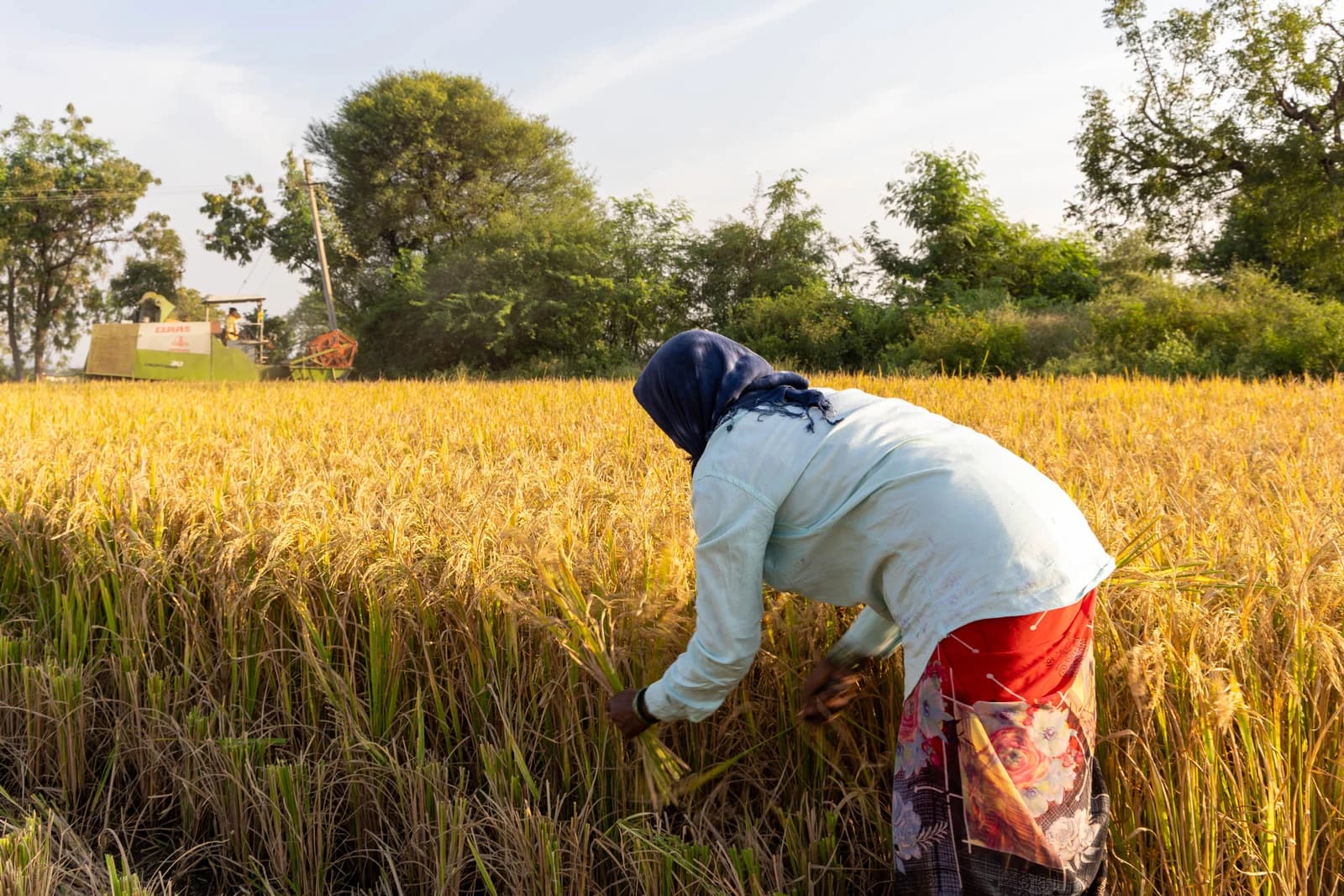
Rain damage has knocked down paddy prices in Aligarh’s Dhanipur mandi, forcing farmers to sell below normal levels and deepening pressure on incomes in one of north India’s key grain markets.
Aligarh Dhanipur mandi paddy prices fall after rain
The immediate problem is not a collapse in demand but a quality shock: rain soaked grain stored at the mandi has changed colour, making it harder to move and sharply reducing bids. Traders quoted wet paddy at Rs 3,450 per quintal on Tuesday, well below the Rs 3,700 for dry combine-harvested grain and the Rs 4,200 fetch for hand-harvested paddy before the rainfall.
Sentiment IndicatorsⓘProprietary · adalytica.com · October 14, 2026
This is a snapshot — live sentiment, awareness and momentum for 130+ markets update continuously in the dashboard.Open AlphaPulse
That gap matters because it turns a weather event into an income event. Farmers who brought produce expecting routine sales instead faced a market that punished quality deterioration, with some choosing to return home unsold rather than accept losses. One farmer said he had come with 100 quintals and was taking it back after failing to get an acceptable price, while another said selling 80 quintals at the lower rate had already caused thousands of rupees in losses.
The scale of the disruption is also important. Around 2 lakh quintals of paddy had already arrived in the mandi, according to the market secretary, and about 40,000 quintals were still waiting to be loaded. Heavy arrivals combined with rain-damaged stock forced the mandi to remain shut on Tuesday, underscoring how quickly post-harvest bottlenecks can ripple through local agricultural trade.
For farmers, the episode comes at an already fragile time. Higher input costs and uneven crop prices have left margins tight across Indian agriculture, even after government support measures such as this month’s increase in minimum support prices for rabi crops. But in the open market, quality still drives realizations, and wet grain typically suffers the steepest discount because millers and traders factor in storage risk, processing losses and lower recovery rates.
The Aligarh episode also has broader market implications. Dhanipur mandi draws paddy not just from Aligarh district but also from neighbouring Hathras, Etah and Firozabad, so the disruption could temporarily slow regional trade flows if rain continues and more cut crop remains stranded in fields. With farmers still waiting to bring in harvested paddy, arrivals are likely to stay uneven, keeping downward pressure on prices for damaged lots while cleaner grain may hold up better.
For investors watching agri-linked commodities, the story is less about a national price signal than about the microstructure of India’s grain market: weather, logistics and quality can quickly overpower broader price stability. If the rains persist, the immediate winners are buyers able to source discounted wet grain, while farmers and local mandis bear the loss. Longer term, the episode reinforces the case for better drying, storage and procurement infrastructure to reduce the income shock from post-harvest rainfall.
| Entity | Gains | Losses |
|---|---|---|
| Buyers/traders | ▲Cheaper wet paddy | ▼None on purchase cost |
| Farmers | ▲Little to no gain | ▼Lower realizations |
| Mandi operators | ▲Clears stocked grain eventually | ▼Loading delays, shutdowns |
| Regional grain market | ▲Possible bargain supply for millers | ▼Disrupted trade flow |