Ninh Binh’s green rice pilot is showing that climate-friendly farming can also be a margin story, with a new production model cutting costs by an average 23.6% and lifting net profit by more than 5 million dong per hectare.
Ninh Binh rice pilot cuts costs and lifts profit
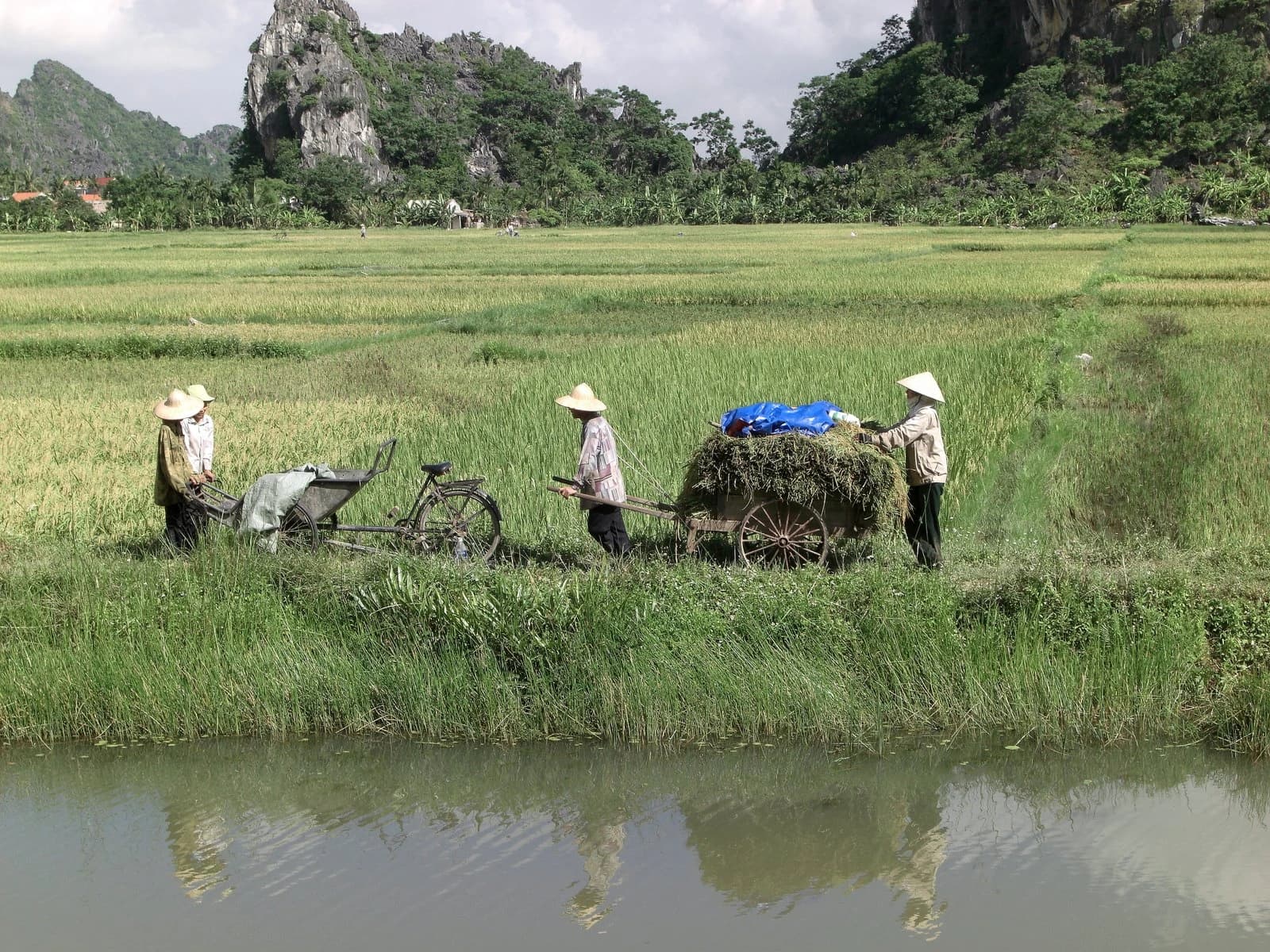
That matters because rice growers across Vietnam are under pressure from labor shortages, fertilizer bills and volatile input prices. The Ninh Binh trial suggests that the route to higher farm incomes may not depend on raising paddy prices alone, but on redesigning how rice is planted, fertilized and managed. In a sector where small changes in costs can determine whether a crop makes money, a 23.6% average saving is economically meaningful.
Sentiment IndicatorsⓘProprietary · adalytica.com · October 19, 2026
This is a snapshot — live sentiment, awareness and momentum for 130+ markets update continuously in the dashboard.Open AlphaPulse
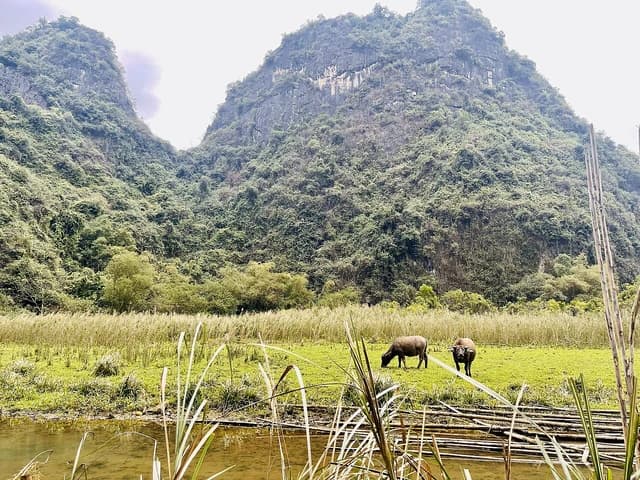
The model, tested on 2.2 hectares in Nghia Son commune, used machine row seeding combined with fertilizer burial and precision nutrient management under the 4R principle. According to project data, production costs fell by 8.6% to 45.7%, or about 9.3 million dong per hectare versus conventional broadcast seeding, machine transplanting and manual transplanting. The biggest gains came from planting costs, which dropped 68% to 77%, and fertilizer costs, which fell 29% to 58%.
For farmers, that kind of reduction is more important than a marginal yield improvement because it directly improves cash flow and lowers break-even levels. For cooperatives and local agribusinesses, it also points to a more scalable model of mechanized rice production that uses fewer workers and less fertilizer while improving field conditions. Wider row spacing can improve light penetration and root development, which may help reduce lodging and harvest losses.

The broader economic case is that Vietnam’s rice sector is moving toward a more circular production model. The Ninh Binh pilot is not only about lower inputs, but also about turning straw into an asset rather than waste. Project partners want straw collected and processed into organic fertilizer instead of being burned, which could reduce pollution while returning organic matter to the soil. If that loop works at scale, it could create additional income streams for farmers, cooperatives and local businesses.
The initiative also has policy relevance. IRRI, the Ninh Binh agriculture department and VAG Group are treating the pilot as a field test before any expansion in spring 2027. Officials say replication will depend on real-world economics and local suitability, a reminder that low-emission agriculture still has to prove itself on the ground before it can become a standard. That caution matters to investors and agribusiness operators because the opportunity is not just in one pilot, but in whether the economics hold across Vietnam’s Red River Delta.
There is also an international angle. A U.S. agricultural diplomat in Hanoi said the trial helps clarify the potential for mechanized seeding and improved fertilizer use to raise farmer income, and encouraged deeper cooperation between U.S. firms and Vietnamese partners. That opens the door to more equipment, agronomy and input technology partnerships if the model proves durable.
For investors and supply-chain players, the key takeaway is that sustainable rice is increasingly being framed as a cost-efficiency play rather than a premium branding exercise. The upside case is broader adoption of mechanized seeding, precision fertilization and straw recycling, which could support margins and improve resilience in a sector sensitive to labor and input inflation. The downside case is that the gains remain confined to pilot plots if land fragmentation, coordination and financing slow rollout.
If the model is replicated successfully, Ninh Binh could become a template for how Vietnam lifts rice value without relying on higher acreage or higher prices — by extracting more value from each hectare and each by-product.
| Entity | Gains | Losses |
|---|---|---|
| Ninh Binh farmers | ▲Lower input costs | ▼Manual-intensive farming |
| VAG Group and partners | ▲Scalability of green model | ▼Slow replication risk |
| Input suppliers | ▲Demand for precision tools | ▼Wasteful fertilizer use |
| Environment and local authorities | ▲Less burning, lower emissions | ▼Traditional straw disposal methods |