Algeria has moved to cap the prices of imported rice sold by private traders, a direct intervention aimed at containing household food costs as inflation in staple goods remains elevated.
Algeria caps imported rice prices
The Ministry of Commerce and Export Development set retail and wholesale ceilings for parboiled rice and basmati rice, effective Oct. 20, after issuing the decision on Oct. 12. For parboiled rice, the ministry fixed the supply or packaging price at 3,500 dinars per kilogram, the wholesale price at 3,650 dinars and the retail price at 3,900 dinars. Basmati rice was set at 6,500 dinars at the supply or packaging stage, 6,650 dinars wholesale and 6,900 dinars at the retail level.
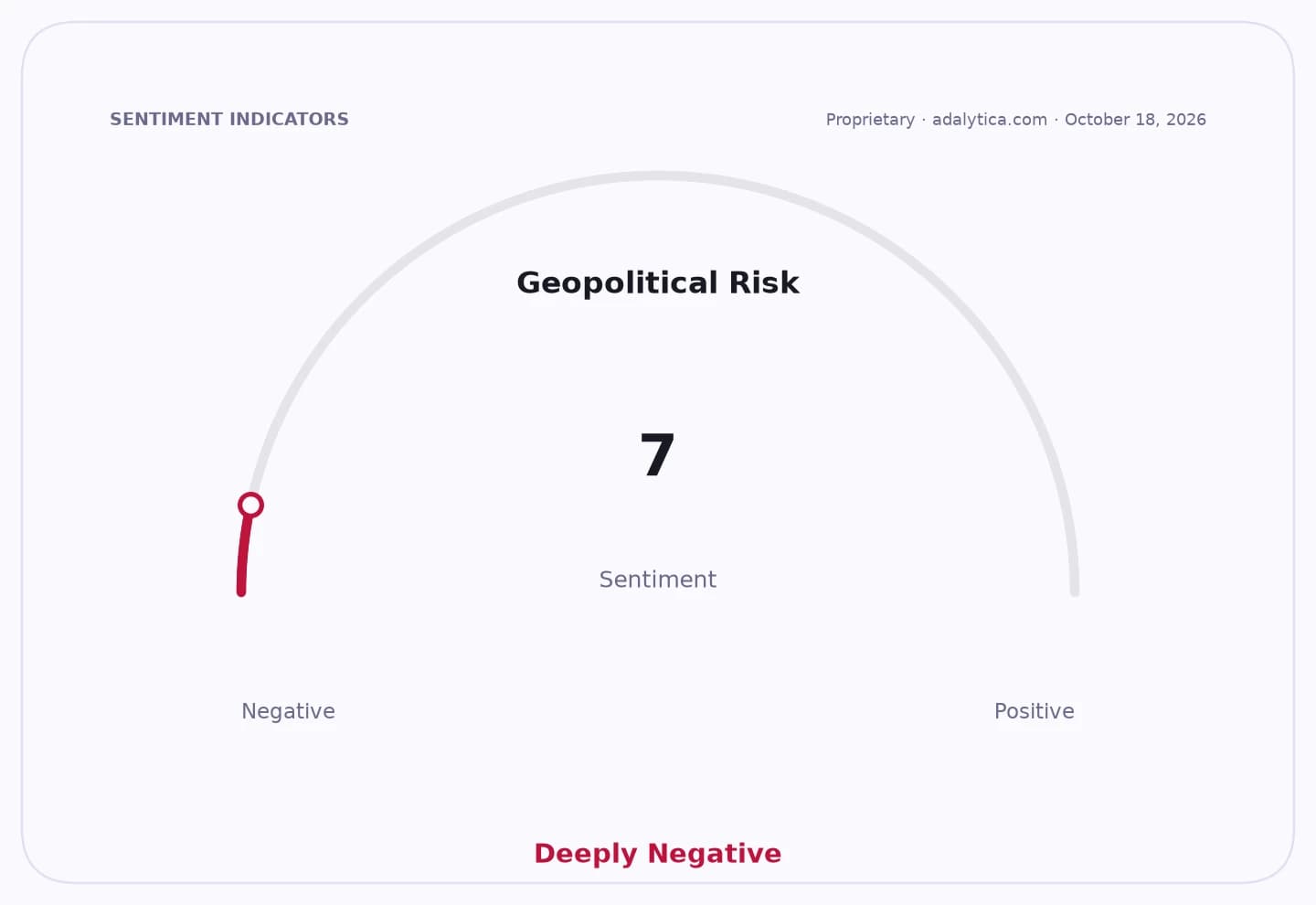
Sentiment Indicators
The move matters because rice is a politically sensitive food item and a visible input into the consumer basket. When governments step in to administer prices, the goal is usually not only to restrain markups but also to anchor expectations in a market where imported staples can transmit currency moves, freight costs and global commodity swings into domestic inflation. Algeria’s consumer price index has been running far above historical levels, and even though the latest monthly forecast suggests only a slight dip, food inflation risk remains a policy concern.
The decision also tightens control over who can participate in the market. Importers must now file legal and technical documents with the ministry before any shipment is brought in, giving authorities a stronger screening mechanism over supply chains and compliance. The ministry said any violation will be subject to enforcement action under existing laws, signaling that this is meant as a binding price regime rather than a loose guideline.
For investors and market participants, the implication is that imported food distribution in Algeria is likely to face narrower margins and greater regulatory oversight, especially for private operators handling branded or higher-end rice such as basmati. At the same time, the policy may reduce price volatility for consumers and limit social pressure around food costs, which can be economically important in import-dependent markets where staples have outsized political weight.
The broader narrative is that Algeria is choosing administrative controls to manage imported food inflation rather than relying on market pricing alone. That can support short-term affordability, but it also raises questions about supply incentives, import volumes and the scope for future state intervention if global grain prices or the dinar move against importers.
| Entity | Gains | Losses |
|---|---|---|
| Algerian consumers | ▲Lower rice prices | ▼Less market choice |
| Ministry of Commerce | ▲Greater price control | ▼More enforcement burden |
| Private rice importers | ▲Clearer rules | ▼Squeezed margins |
| Food distributors | ▲Short-term demand stability | ▼Tighter compliance costs |