Tunisia’s National Feed Office has fixed the selling price of corn from Friday, creating a fresh reference point for the country’s animal-feed market and signaling that the state is still managing a sensitive input cost for livestock producers.
Tunisia Fixes Corn Price at 906 Dinars a Ton

The office said corn will sell at 906 dinars a ton for immediate pickup from the dock and 917 dinars a ton from its warehouses, with the new pricing taking effect Oct. 23. Deferred-payment terms are also being offered, giving buyers a way to lock in supply with payment windows of 45, 60 or 90 days.
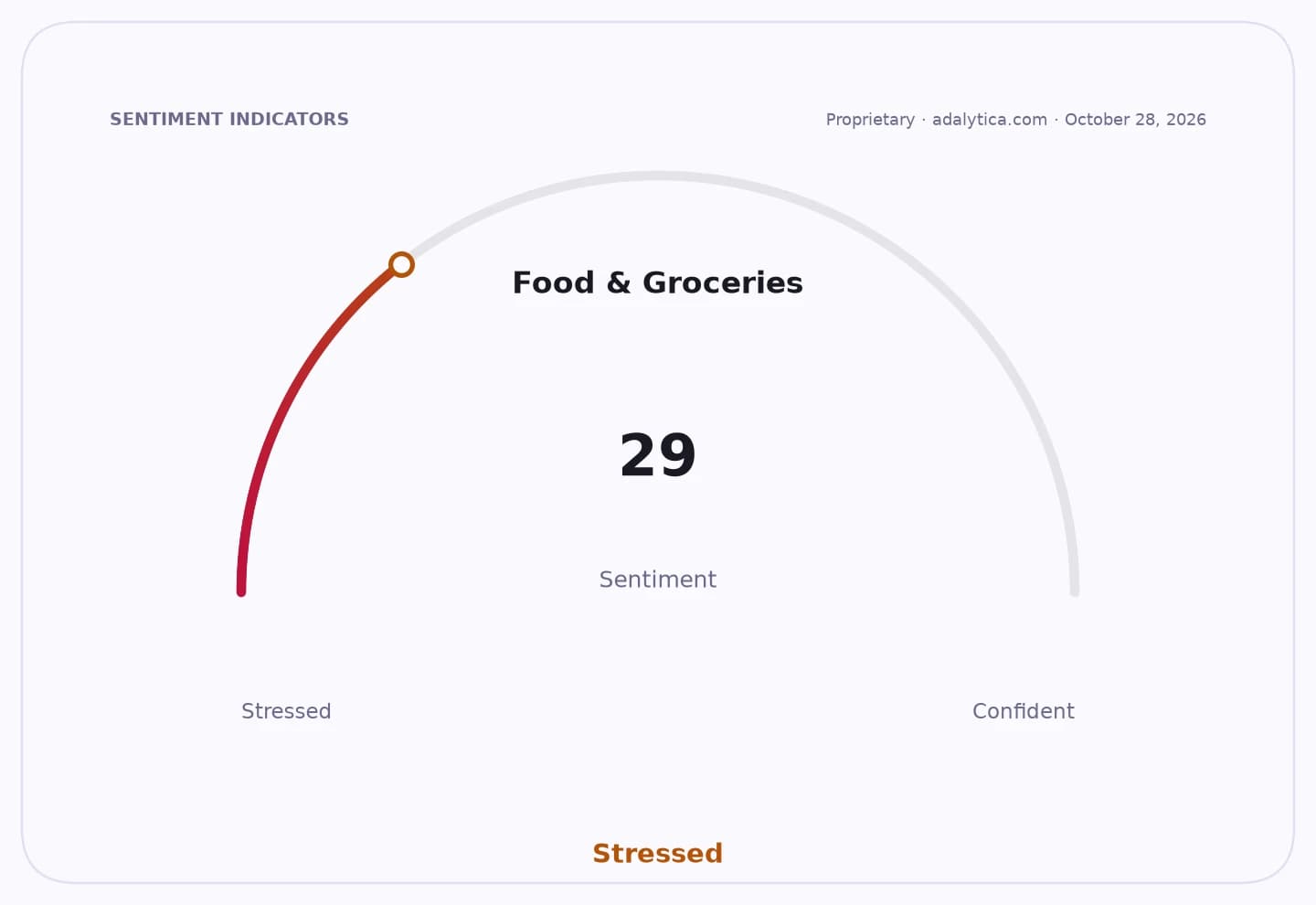
Sentiment Indicators
That matters because corn is not just another agricultural commodity in Tunisia — it is a core cost driver for poultry, dairy and feed millers. When the government sets the price, it is effectively setting the floor for a chain that runs from importers and feed distributors to meat and egg producers and, ultimately, consumer food inflation. In a year when global food and energy markets remain volatile, official pricing is a policy tool to prevent sudden shortages, speculative buying and margin shocks across the livestock sector.
The timing is important. Global corn markets have been under pressure from active U.S. harvesting and fund selling, while regional supply has also been uneven, with Ukraine boosting exports even as weather and production problems have disrupted markets elsewhere. Tunisia’s move suggests authorities want to shield domestic users from that volatility rather than leave pricing entirely to the spot market.
For investors, the implication is less about Tunisia alone and more about how governments across emerging markets continue to intervene where food and feed inflation can spill into social and political pressure. That tends to support the case for grain handlers, logistics providers and integrated agribusinesses that can manage supply chains and pricing power better than smaller buyers caught on the wrong side of policy shifts. At the same time, higher administered prices can squeeze poultry and livestock margins if downstream selling prices do not adjust quickly.
The market read-through is straightforward: state-managed feed pricing keeps corn demand anchored, but it also caps how freely the market can clear. If global corn remains soft, Tunisia’s official price may look conservative. If weather, shipping or export flows tighten again, the floor set by the Feed Office could quickly become a shield for local buyers and a warning for consumers that food costs are still vulnerable.
| Entity | Gains | Losses |
|---|---|---|
| Tunisian livestock producers | ▲More predictable feed costs | ▼Less pricing flexibility |
| Feed millers and importers | ▲Clearer procurement terms | ▼Squeezed margins if costs rise |
| Corn suppliers / traders | ▲Guaranteed local demand | ▼Lower upside if global prices fall |
| Consumers | ▲Reduced risk of shortages | ▼Still exposed to policy-driven food costs |