Food inflation is becoming harder to absorb for households and harder to hold back for companies as surging energy costs, farm unrest and geopolitical strain threaten to push grocery prices higher after years of already elevated inflation.
Spain Food Inflation Pressures Grocery Prices
Spain’s largest consumer-goods industry group, Aecoc, says food companies are still holding back price increases by squeezing margins and cutting costs, but warned that the restraint cannot last indefinitely. Ignacio González, president of the association, said the sector has been absorbing rising expenses linked to geopolitics rather than domestic demand, adding that the longer the disruption around the Strait of Hormuz lasts, the more difficult it becomes for companies to keep prices down.
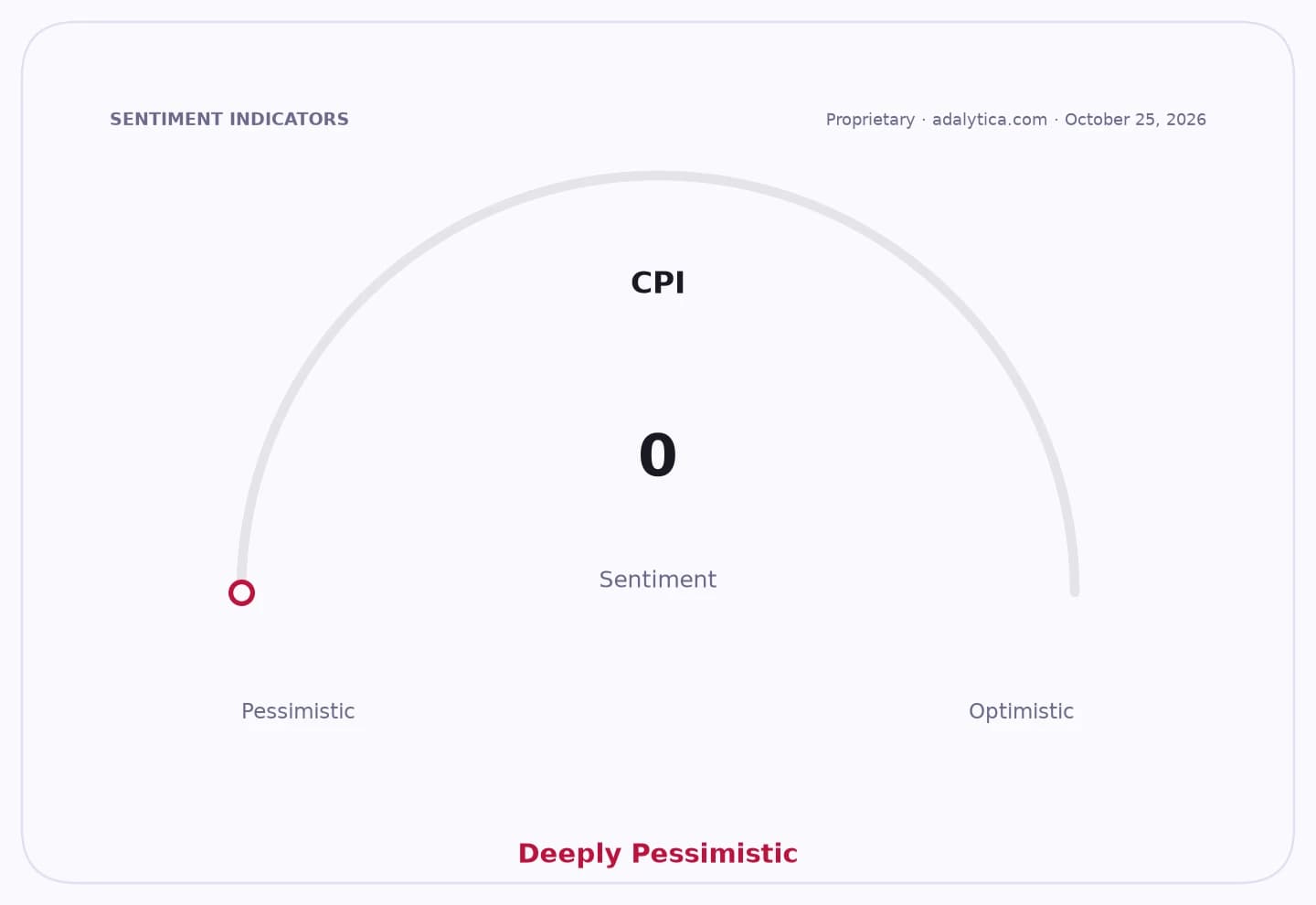
Sentiment IndicatorsⓘProprietary · adalytica.com · October 26, 2026
This is a snapshot — live sentiment, awareness and momentum for 130+ markets update continuously in the dashboard.Open AlphaPulse
The warning lands as consumer prices remain sticky. Spain’s overall inflation is running close to 5%, while food inflation is still at 2.7%, suggesting groceries are helping cushion the broader index for now. But the industry says that buffer is shrinking after a 30% cumulative rise in food prices over the past four years, leaving consumers increasingly unable to take another round of increases.
That matters economically because food and energy are among the fastest channels through which imported shocks hit households and domestic demand. A fresh pass-through from higher transport, fertilizer and power costs would pressure real incomes, force retailers and manufacturers to defend margins, and complicate policymakers’ efforts to keep headline inflation under control.
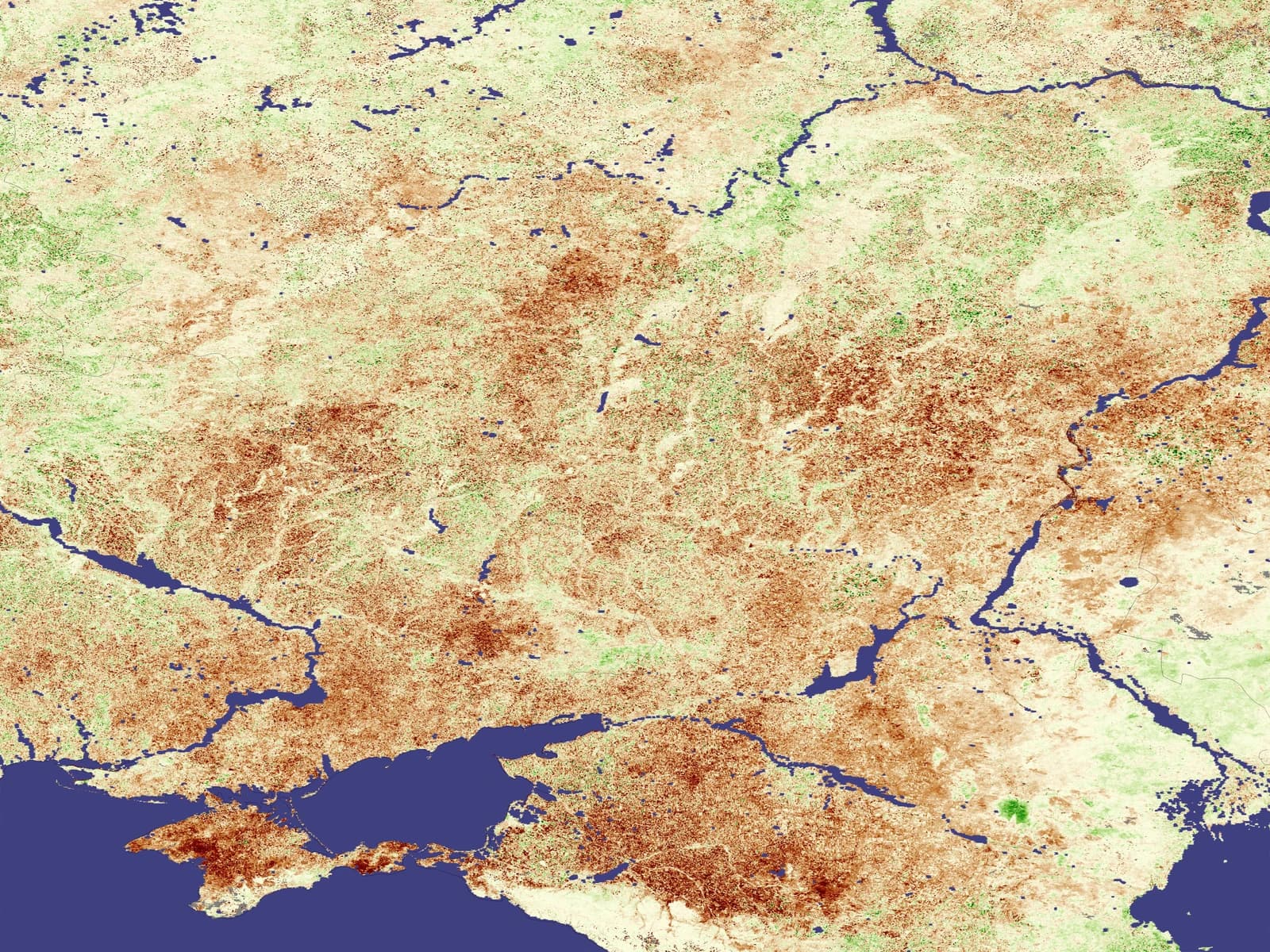
The backdrop is not just Spain. Global food costs are expected to stay under pressure through 2027 as drought, weak monsoon rains in India, shipping disruptions and higher fertilizer prices squeeze supplies of wheat, pulses and vegetables. In the U.S., commodity funds tracking corn and wheat have also shown sharp swings, underscoring how quickly weather and supply shocks can ripple into food pricing.
For investors, the setup is a margin story as much as an inflation story. Supermarkets, packaged-food companies and distributors may face a tougher trade-off between defending volumes and passing through costs, while consumers could shift toward cheaper brands and less discretionary spending elsewhere. It also strengthens the case for businesses tied to agricultural inputs, logistics and pricing power, while keeping pressure on food retailers and processors with limited room to reprice.
Aecoc also argues governments could ease the squeeze by cutting VAT on basic goods or lowering taxes on energy, noting that tax receipts have hit record levels. The question for markets and policymakers is whether this next inflation wave is temporary, or whether the sector’s current effort to absorb costs is only delaying a more visible hit to checkout prices.
| Entity | Gains | Losses |
|---|---|---|
| Food manufacturers | ▲Short-term volume support | ▼Margin pressure |
| Consumers | ▲Temporary price restraint | ▼Lower real purchasing power |
| Retailers | ▲Stable demand for essentials | ▼Weaker pricing flexibility |
| Governments | ▲Political cover to cut taxes | ▼Higher pressure to act on inflation |