President Donald Trump’s effort to spotlight a 2.2% drop in oatmeal prices underscores the real problem investors should be watching: inflation is being pushed higher by energy, not food, and that makes the squeeze harder to reverse.
Energy-driven inflation pressure and grocery prices
The White House’s cherry-picked grocery graphic may play well politically, but it does little to change the economic math. Grocery inflation has been relatively tame, rising 1.8% over the last 12 months through September, while overall inflation ran at 3.7%, well above the Federal Reserve’s 2% target. The difference matters. When fuel is the main culprit, the impact ripples through transportation, manufacturing and retail distribution, raising costs far beyond the supermarket aisle.
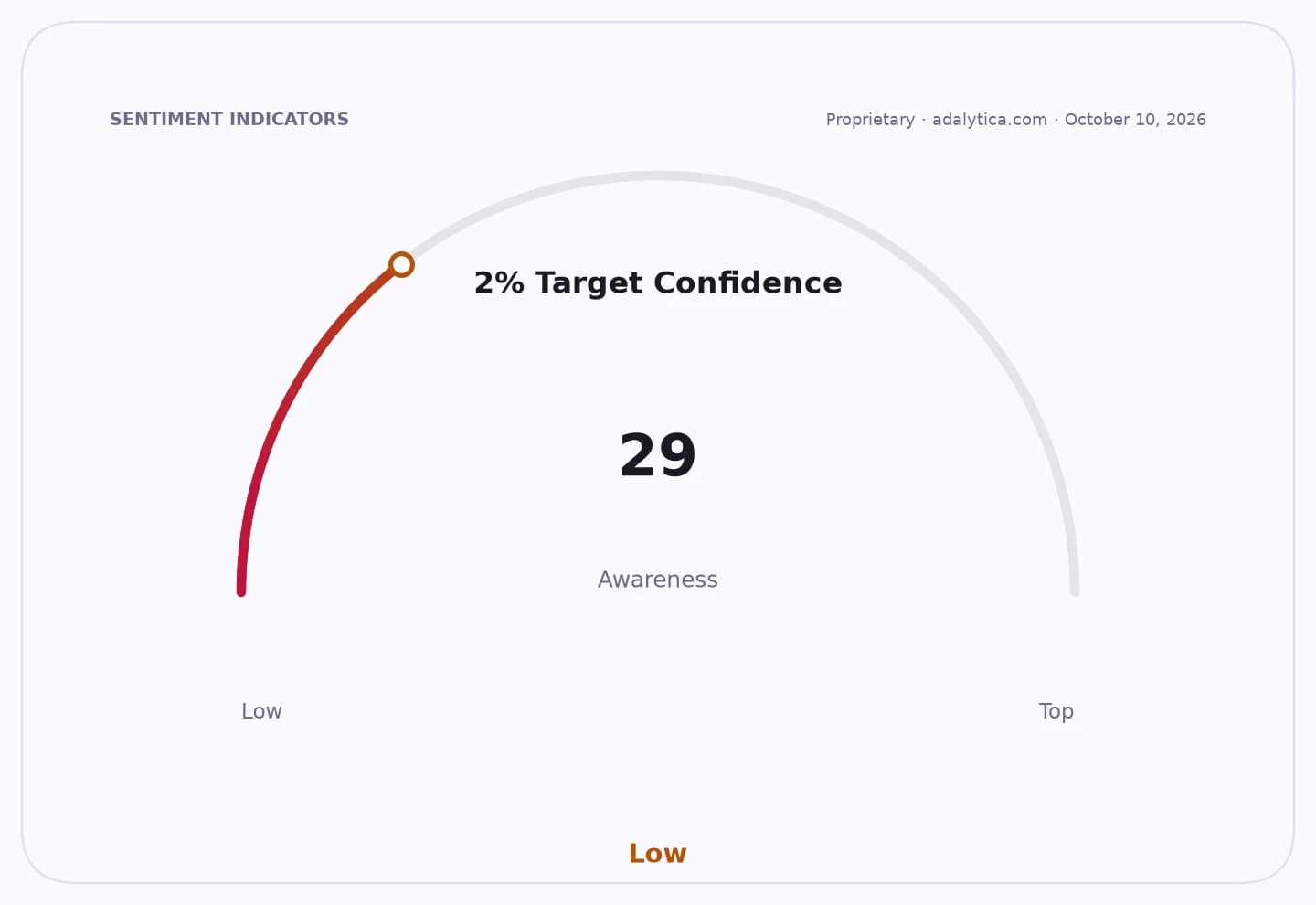
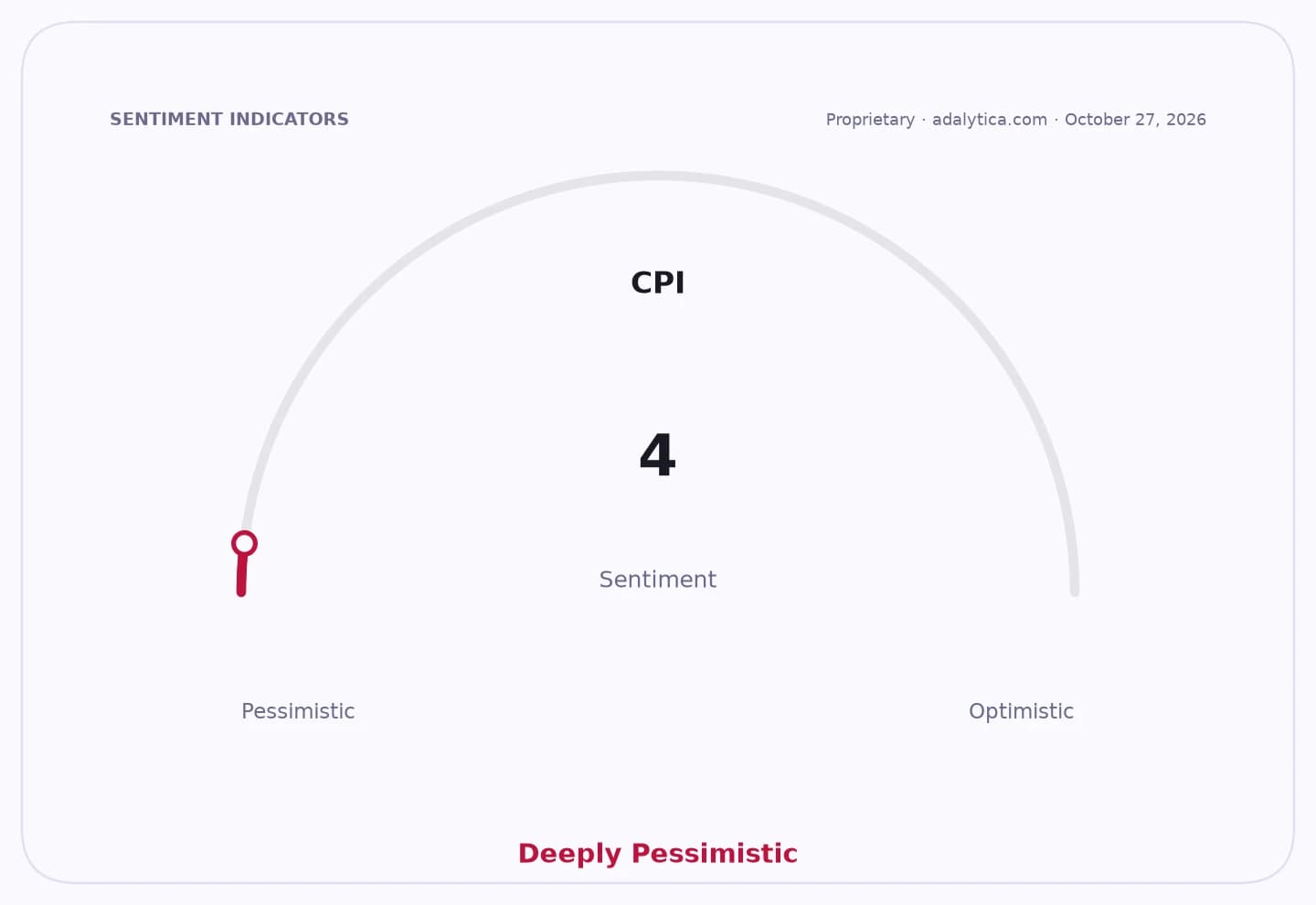
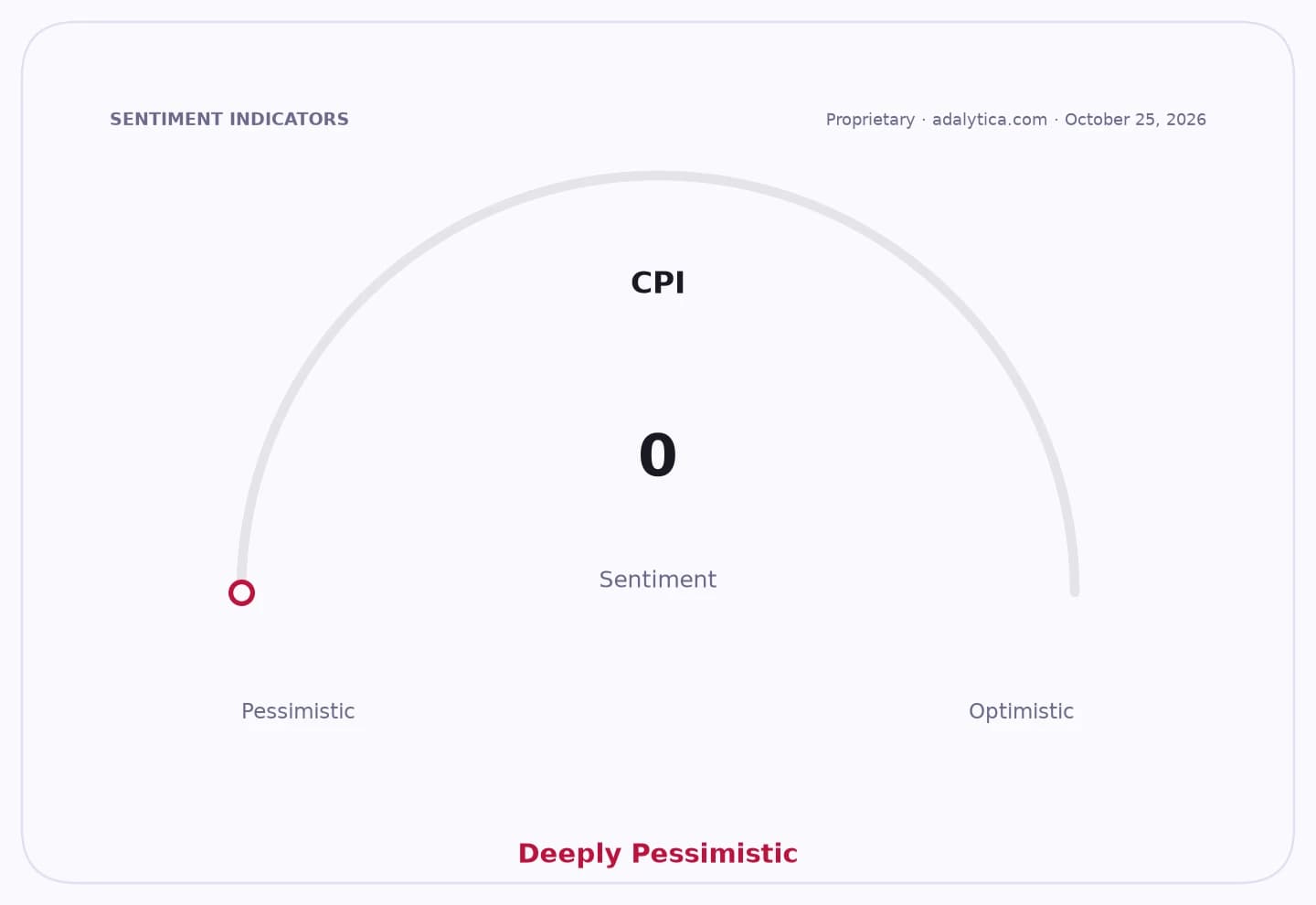
Sentiment IndicatorsⓘProprietary · adalytica.com · October 25, 2026
This is a snapshot — live sentiment, awareness and momentum for 130+ markets update continuously in the dashboard.Open AlphaPulse
That is the key investable takeaway. A 2.2% fall in oatmeal is noise. A 40% jump in gasoline and stubborn diesel shortages are what pressure margins, consumer budgets and central-bank policy. Diesel is the workhorse fuel of the economy, moving everything from farm equipment to long-haul freight. If diesel stays elevated, the market should expect higher shelf prices later, even for staples that look benign today.
Trump’s own messaging reveals how sensitive the inflation story has become. The administration pointed to select price declines in items like olive oil, tomatoes and oatmeal, while eggs were framed with a wholesale-price caveat that does not reflect what households pay at the store. That is not a broad disinflation story; it is a defensive political response to a cost-of-living problem that is now shaping voter behavior and could influence the midterm landscape.
For investors, the implications are straightforward. Energy still has pricing power, food makers face uneven input costs, and transportation-linked businesses remain exposed to diesel volatility. Any relief in grocery inflation may be temporary if freight and fuel costs keep feeding through the supply chain. The market underestimates how persistent that second-round pressure can be.
The Fed will look past political spin and focus on the broader data. If inflation stays above target while wage gains fail to keep up, policy will remain restrictive for longer, keeping pressure on rate-sensitive assets. The better trade is not to chase the headlines about oatmeal, but to position for the sectors that benefit when inflation is sticky and energy remains the marginal driver.
| Entity | Gains | Losses |
|---|---|---|
| Energy producers | ▲Higher pricing power | ▼None from food-only relief |
| Freight and logistics firms | ▲Pass-through opportunities | ▼Diesel cost pressure |
| Grocery shoppers | ▲Small relief on select items | ▼Broader cost-of-living squeeze |
| Consumer staples makers | ▲Stable demand for basics | ▼Margin pressure from fuel and transport |