Food inflation in Europe faces renewed upside risk as former European Central Bank vice-president Luis de Guindos warned that transportation, energy and fertilizer costs could trigger another leg higher in prices if the Middle East conflict keeps oil elevated.
Europe food inflation risk rises on oil costs
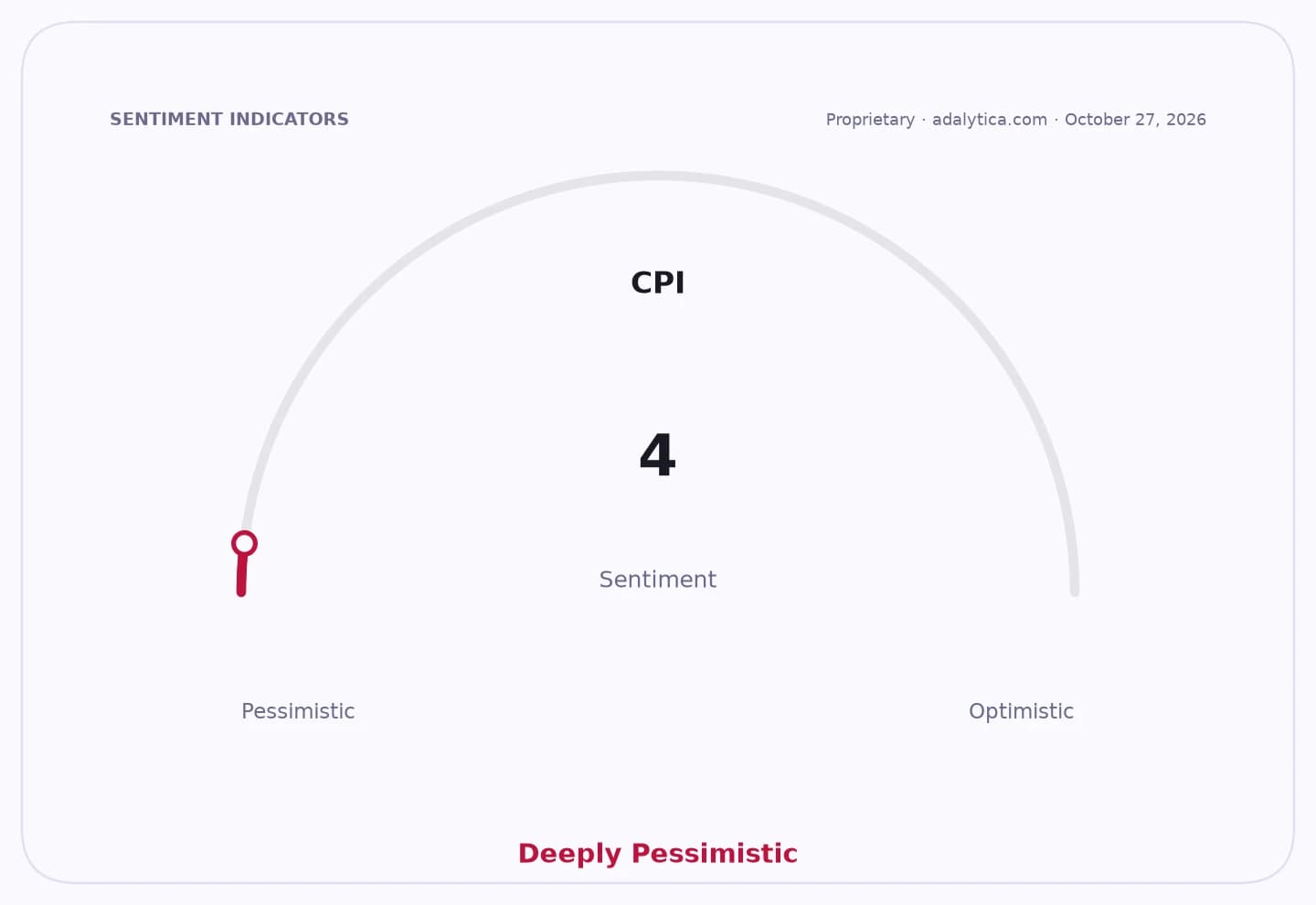
That matters because food remains one of the most politically sensitive components of inflation and one of the fastest channels through which geopolitical shocks reach households. Higher input costs would squeeze real incomes, complicate the ECB’s disinflation path and increase the odds that rates stay restrictive for longer even if headline inflation has eased from previous peaks.

De Guindos said the key variable is the duration and intensity of the war in the Middle East, arguing that persistent energy prices could feed a “spiral” in food costs. He stopped short of saying second-round effects are already visible in Spain, but warned that the shock is still working through supply chains rather than demand.
The economic logic is straightforward. Food prices do not rise in isolation: they absorb the cost of diesel, shipping, fertilizers and power, all of which can climb quickly when oil rallies or transport routes are disrupted. A surge in agricultural input costs also tends to filter into processed foods with a lag, making inflation more stubborn than the initial commodity move would suggest.

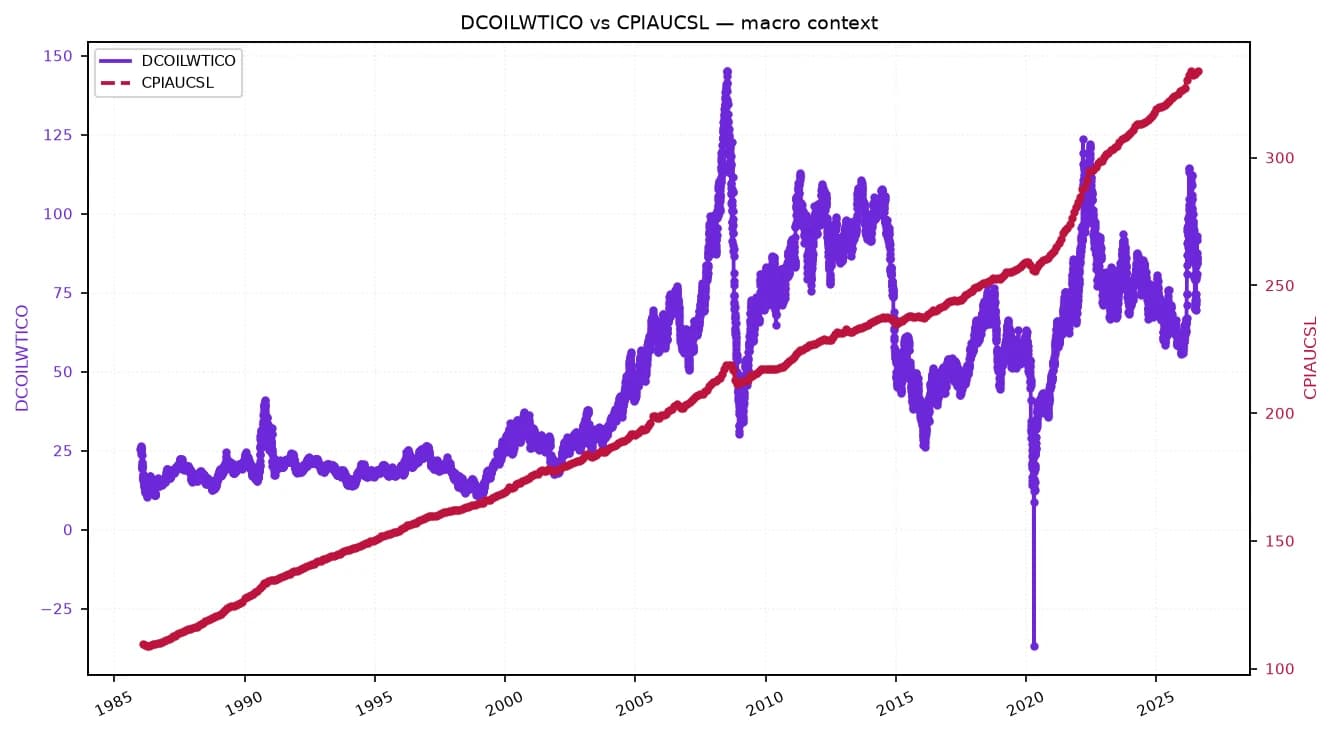
Markets are already treating the risk as real. Wheat ETF WEAT has fallen sharply from late-summer levels and the agricultural basket DBA has slipped below its 50-day moving average, with RSI readings showing the fund has moved into oversold territory after a recent selloff. At the same time, crude has rebounded to around $108 a barrel in the latest data, leaving food producers exposed to another round of cost pressure if the rally persists.
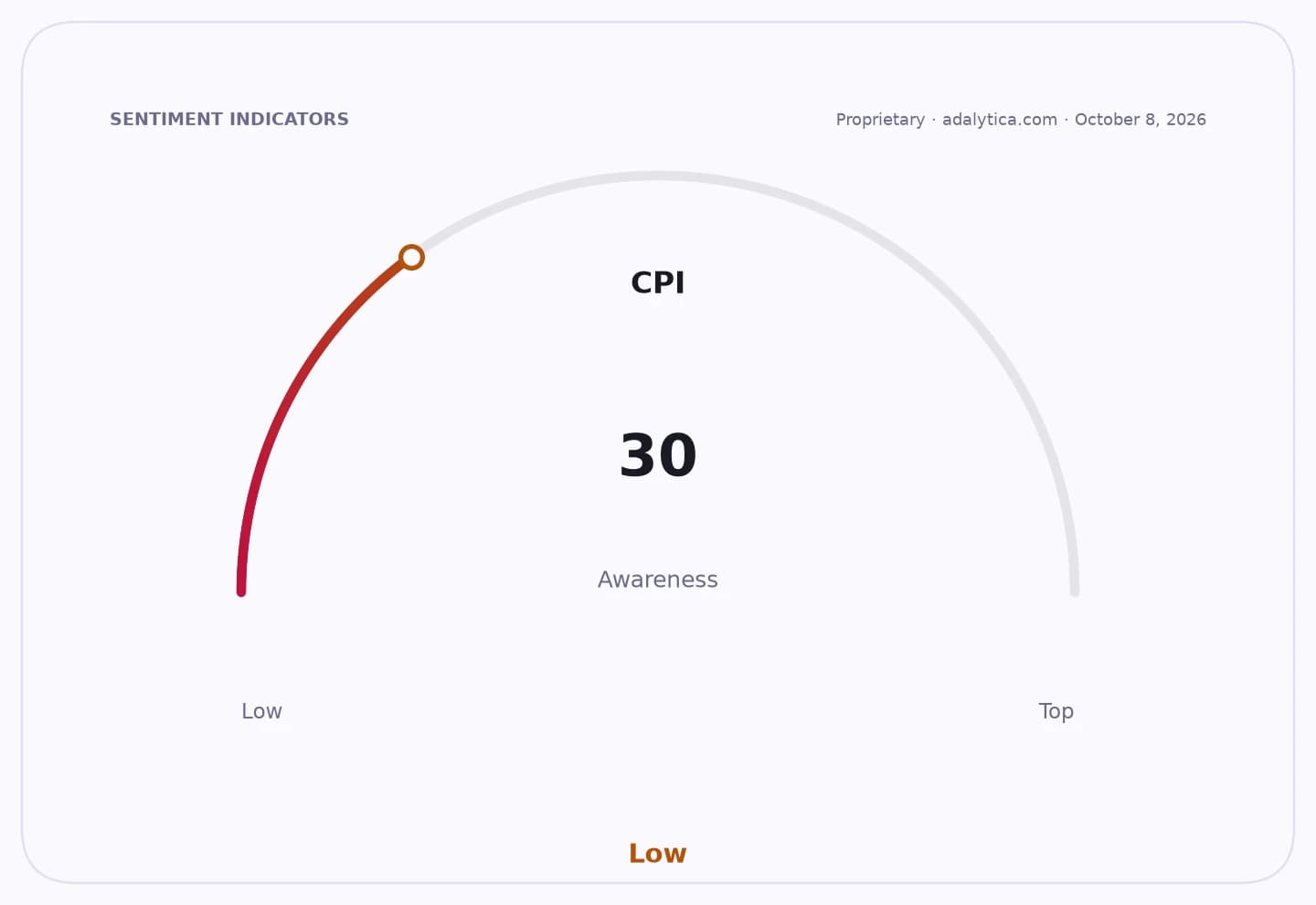
The broader backdrop is not reassuring. U.S. core consumer prices remain elevated by historical standards, while producer prices for food-related inputs are still near cycle highs. Adalytica’s oil sentiment gauge shows “Extreme Fear,” underscoring the market’s sensitivity to fresh supply shocks, even as awareness remains elevated.
For investors, the message is that food and consumer staples margins may come under pressure before headline inflation fully reflects the shock. Importers, retailers and food manufacturers are the most exposed if energy stays high, while agricultural producers and freight-linked names may benefit from higher pricing power. The risk case is that a sustained oil spike forces central banks to keep policy tighter for longer just as households are already under strain.
| Entity | Gains | Losses |
|---|---|---|
| Energy producers | ▲Higher realized prices | ▼Demand destruction risk |
| Food growers | ▲Better crop pricing | ▼Higher fertilizer costs |
| Consumers | ▲Little direct benefit | ▼Lower real incomes |
| Central banks | ▲None | ▼Slower disinflation |