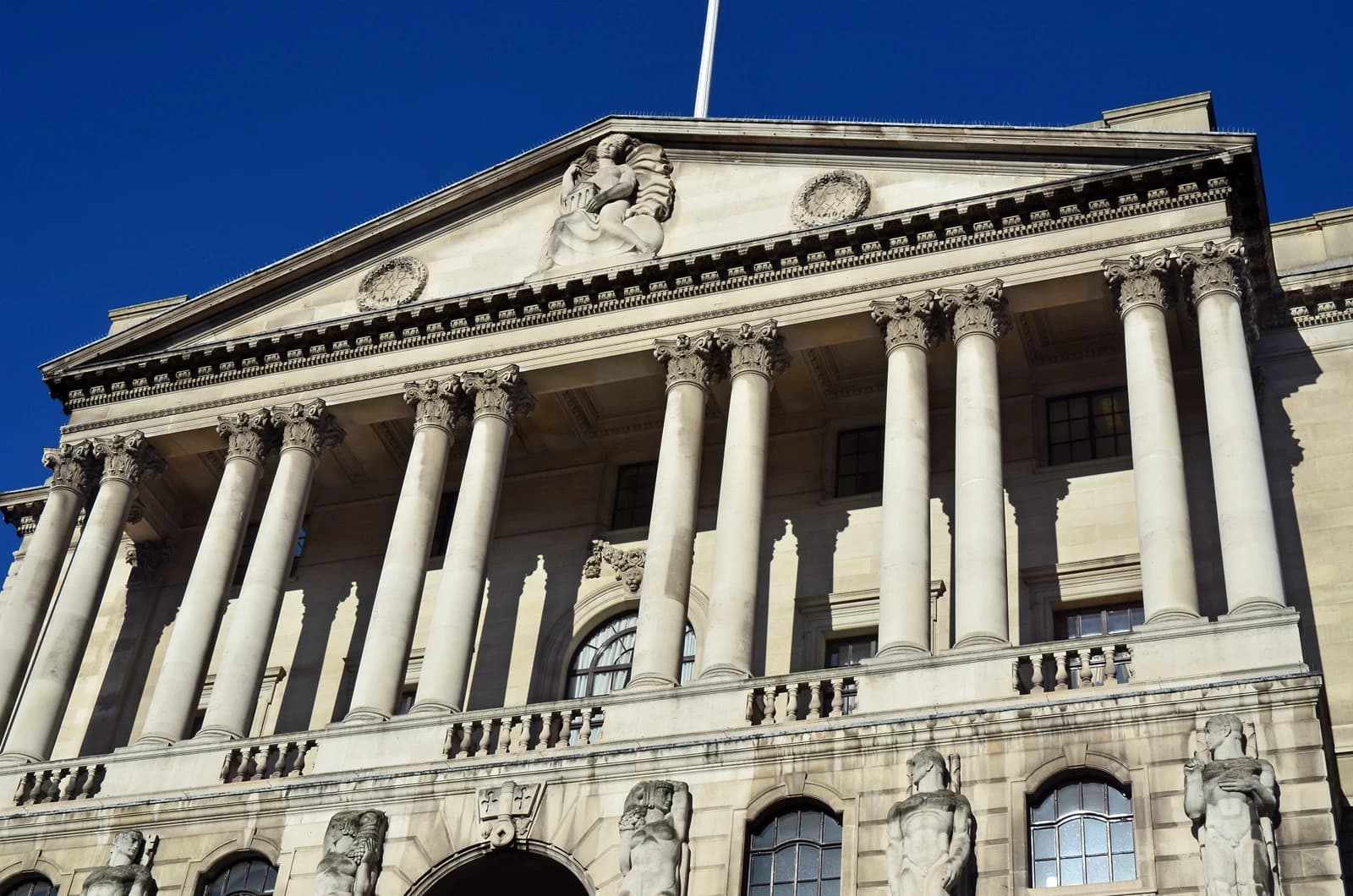
UK inflation has climbed to a 10-month high, and the timing could hardly be worse for the Bank of England or investors betting on easier policy. The jump, driven largely by higher fuel prices tied to the conflict with Iran, shows how quickly geopolitical risk is feeding through to household budgets, transport costs and, ultimately, wage demands.
UK Inflation Rises as Oil Prices Jump
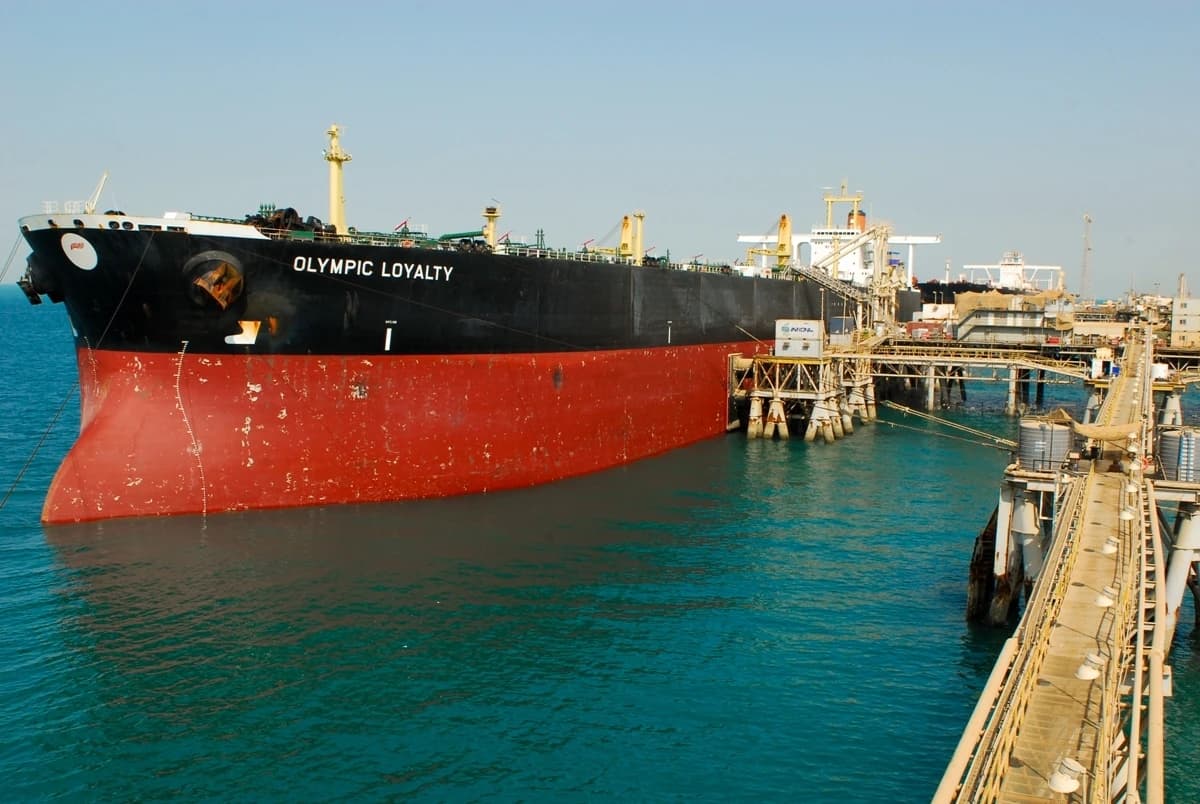
That matters because energy is the fastest transmission channel from the Middle East to the real economy. When oil spikes, it does not stay confined to petrol stations: it lifts distribution costs, squeezes consumers already under pressure and makes it harder for inflation to glide back to target. In the UK, that puts fresh strain on policymakers who have been trying to balance weakening growth against sticky price pressures. It also reduces the room for rate cuts, which is exactly what markets need to reassess.
The oil market is already pricing in that stress. US crude has surged sharply, with USO, the oil ETF, closing at 169.53 on Friday after a powerful run that pushed its relative strength index to 90.6, a sign of an overheated but still forceful move. The Energy Select Sector SPDR Fund, XLE, rose to 69.33, while BP climbed to 51.32, reflecting how quickly capital is rotating toward producers and away from consumers exposed to fuel inflation. The move is not just about oil prices; it is about the persistence of supply-risk premium embedded in energy, which can linger even if the physical disruption proves temporary.
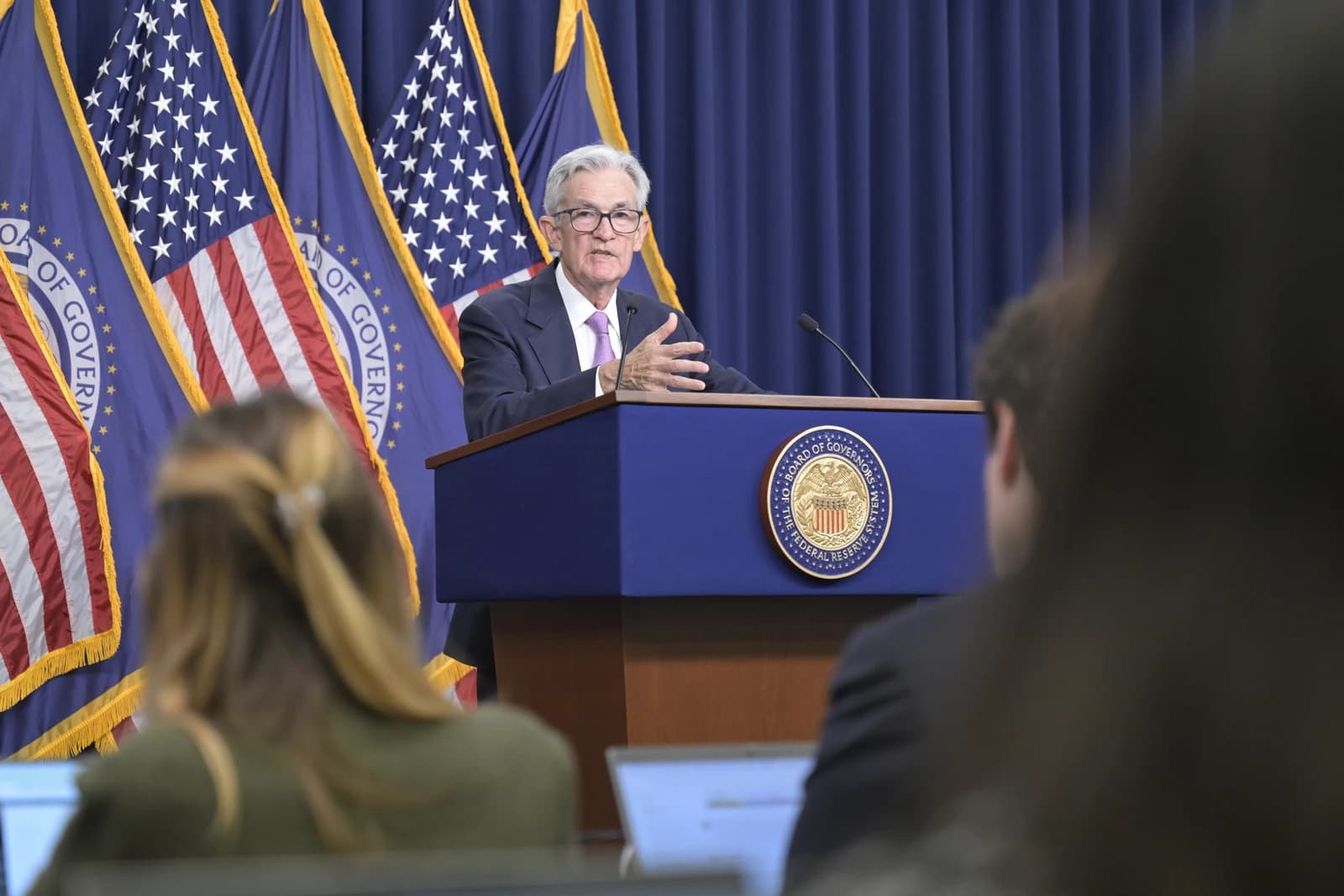
For investors, the message is that inflation is once again being driven by the part of the basket hardest to control. That raises the odds of a more cautious Bank of England, steeper-for-longer bond yields and renewed pressure on rate-sensitive sectors such as housing, retailers and consumer discretionary names. It also strengthens the case for energy equities and the broader commodity complex, where cash flows improve when geopolitical risk becomes a recurring feature rather than a one-off shock.
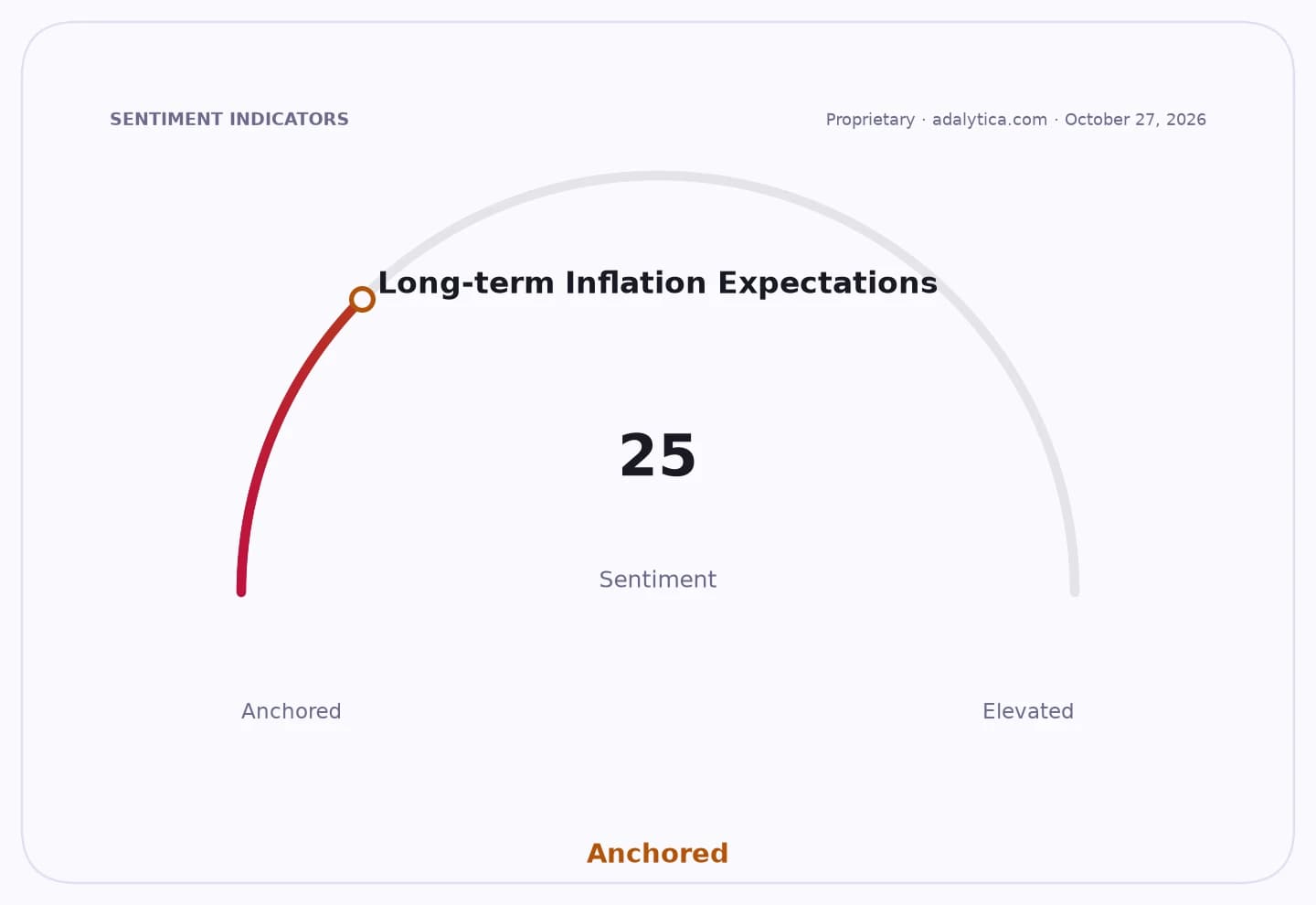
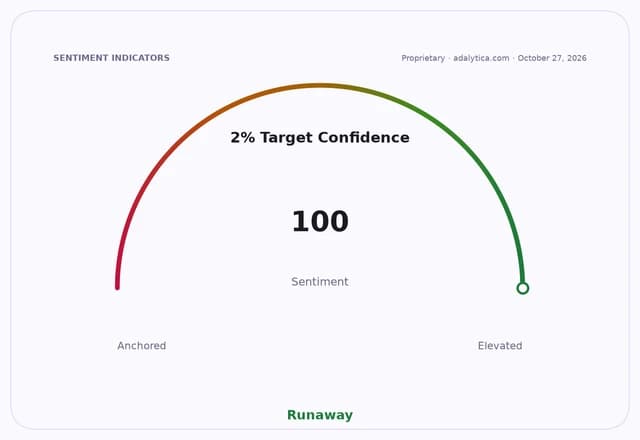
The market is still underestimating how sticky this kind of inflation can be. Adalytica’s long-term inflation expectation sentiment remains in fear territory, while confidence in the Fed’s 2% target has swung sharply, underscoring how quickly price credibility can be challenged when fuel costs rise. If oil stays elevated, the next move is likely to be less about whether inflation peaks and more about how long central banks are forced to stay restrictive.
For now, the trade is straightforward: own the energy beneficiaries, stay cautious on UK domestic demand plays, and treat every fresh spike in crude as a warning that inflation is not done with the market yet.
| Entity | Gains | Losses |
|---|---|---|
| Oil producers | ▲Higher cash flow | ▼None from inflation shock |
| UK consumers | ▲None | ▼Higher fuel and living costs |
| Bank of England | ▲Limited credibility gain if cautious | ▼Less room to cut rates |
| Rate-sensitive sectors | ▲None | ▼Margin pressure and weaker demand |