UK inflation jumped to 3.5% in September, its highest reading in nearly a year, and the surprise increase is the sort of data that can keep central banks on edge and bond investors on the defensive.
UK inflation rises to 3.5% in September

The move matters because it suggests Britain’s disinflation process has stalled just as policymakers were hoping for more progress. Prices rose faster than economists expected, with motor fuel doing much of the heavy lifting as pump prices surged 29.8% over the year, the sharpest jump since August 2022. That leaves the Bank of England with less room to ease, and it keeps alive the risk of another rate hike if inflation proves sticky into the winter.
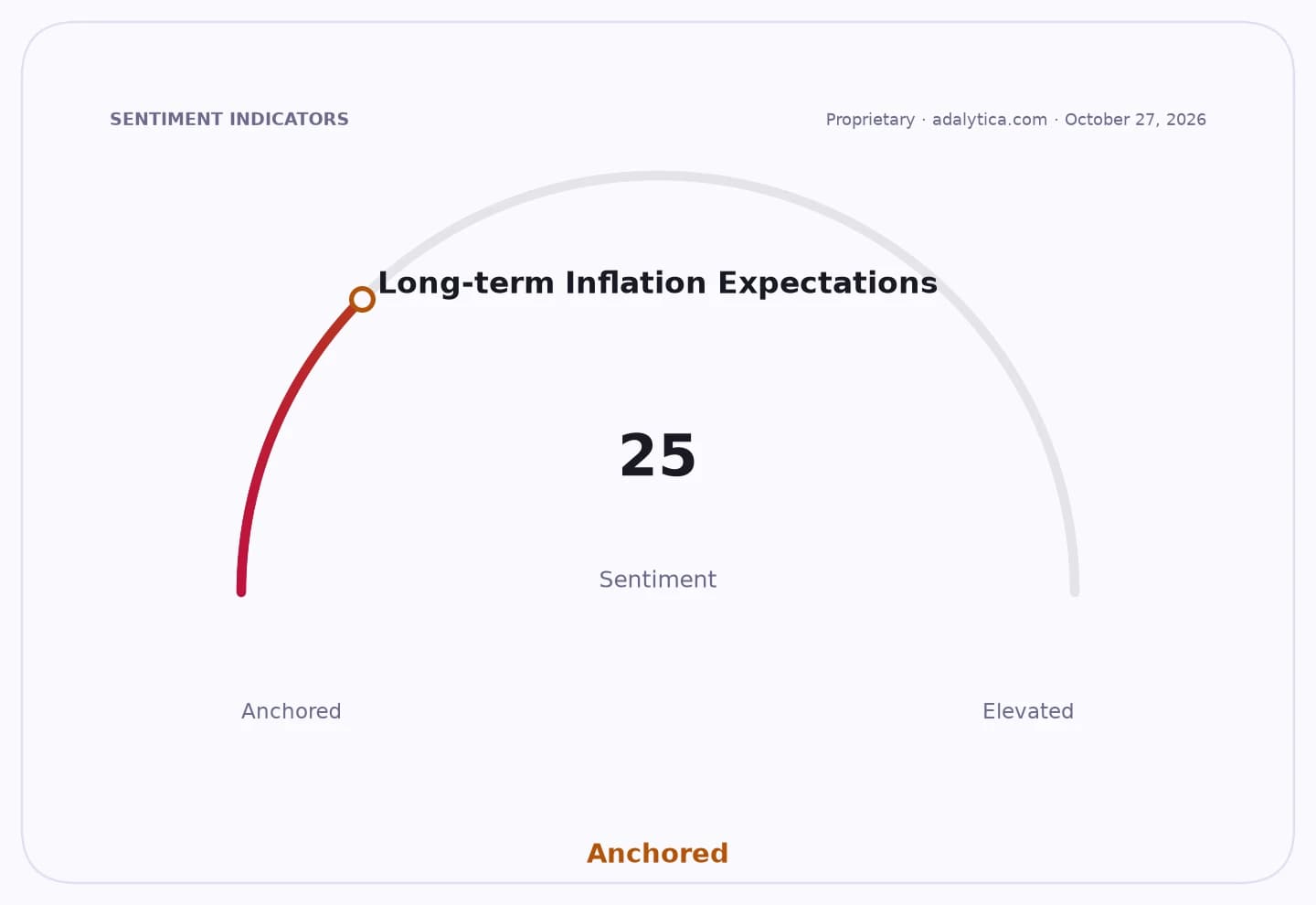
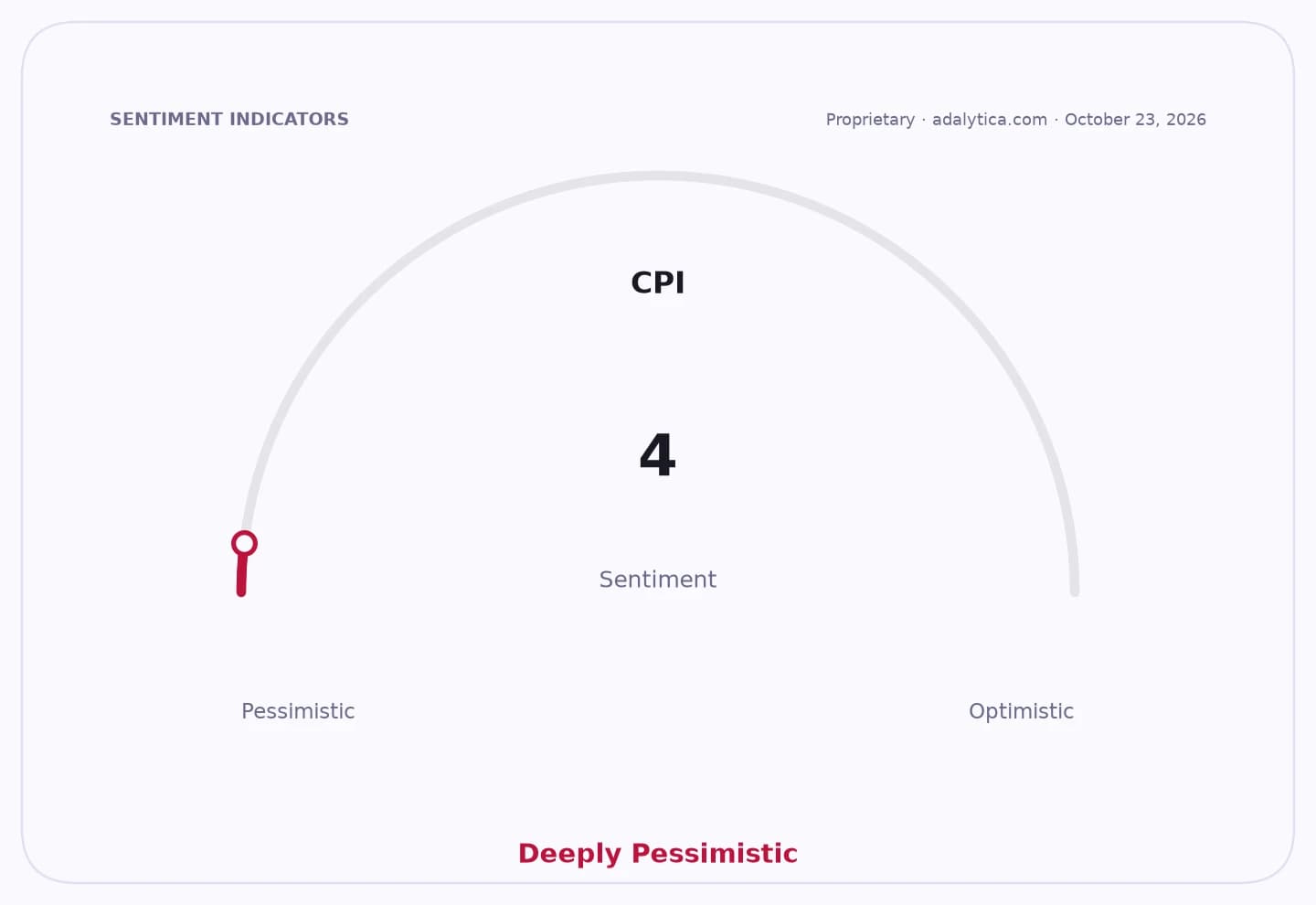
Sentiment IndicatorsⓘProprietary · adalytica.com · October 26, 2026
This is a snapshot — live sentiment, awareness and momentum for 130+ markets update continuously in the dashboard.Open AlphaPulse
For investors, the message is straightforward: higher-for-longer borrowing costs remain a real possibility. UK government bonds were little changed after the data, and sterling barely moved, but that calm may not last if upcoming readings keep surprising to the upside. In the United States, where Treasury yields have already been volatile and the 10-year note has been trading around 5%, stronger global inflation prints can reinforce the case for tighter-for-longer policy and support the dollar, particularly if markets start to price out rate cuts elsewhere.
This is also a reminder that inflation is still being driven by the parts of the economy most exposed to energy shocks. Britain is a net energy importer, so it remains vulnerable to external disruptions — whether from Middle East tensions, supply bottlenecks or another spike in oil prices. That makes the inflation outlook harder to forecast and complicates the path for households, businesses and rate-setters alike.
Long term, investors should think less about a single monthly reading and more about what persistent inflation means for asset allocation. Sticky prices tend to favor cash-rich companies, pricing power and shorter-duration bonds, while they punish rate-sensitive sectors and highly leveraged borrowers. For patient investors, the best answer is usually diversification and discipline, not trying to guess every policy move.
| Entity | Gains | Losses |
|---|---|---|
| Banks and lenders | ▲Wider lending margins | ▼Slower credit demand |
| Energy producers | ▲Stronger fuel pricing | ▼Consumers facing higher costs |
| Bondholders | ▲Little immediate change | ▼Lower bond prices if yields rise |
| UK households | ▲None | ▼Higher living costs |