Food inflation is forcing governments to intervene in the market, and that makes the latest crackdown on traders far more than a local law-and-order story. When food prices rise sharply, the political response can quickly spread from rhetoric to asset seizures, price controls and tighter oversight — a combination that can distort supply chains, compress margins and unsettle investors across the restaurant and food-distribution complex.
Food Inflation Raises Risk for Restaurant Stocks
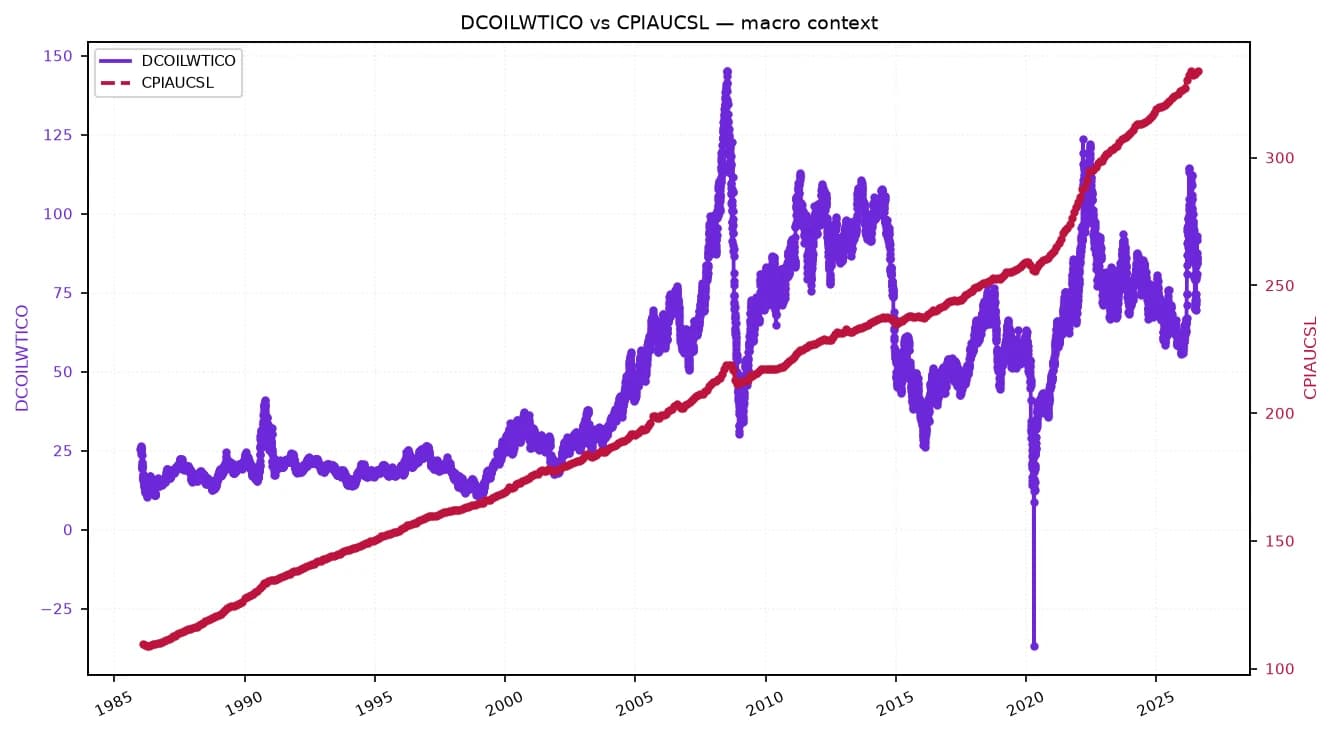
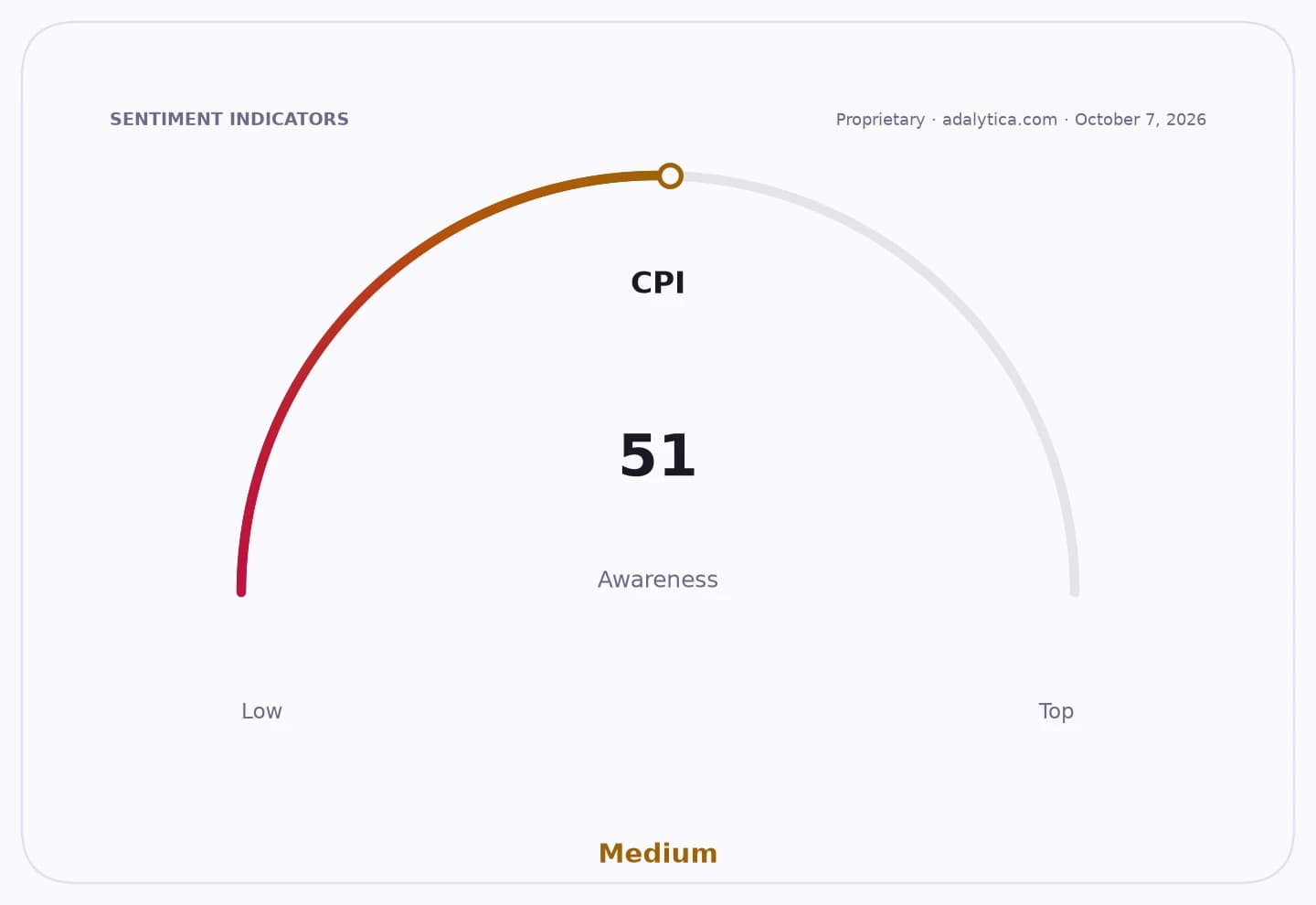
The dominant narrative is that inflation in food is no longer just a consumer issue; it has become a policy risk. In the US, the consumer-price index is still running at historically elevated levels, with the latest reading at 334.131 in August and only a modest dip forecast for September. Producer prices are also elevated at 287.928, underscoring that upstream cost pressure has not disappeared. Brent’s volatility has added to the backdrop, with WTI swinging from $85.91 in mid-April to $109.76 in early May before easing back to the mid-$90s. For food distributors and restaurant operators, that matters because fuel, logistics and agricultural inputs are the transmission channels through which inflation reaches menu prices and gross margins.
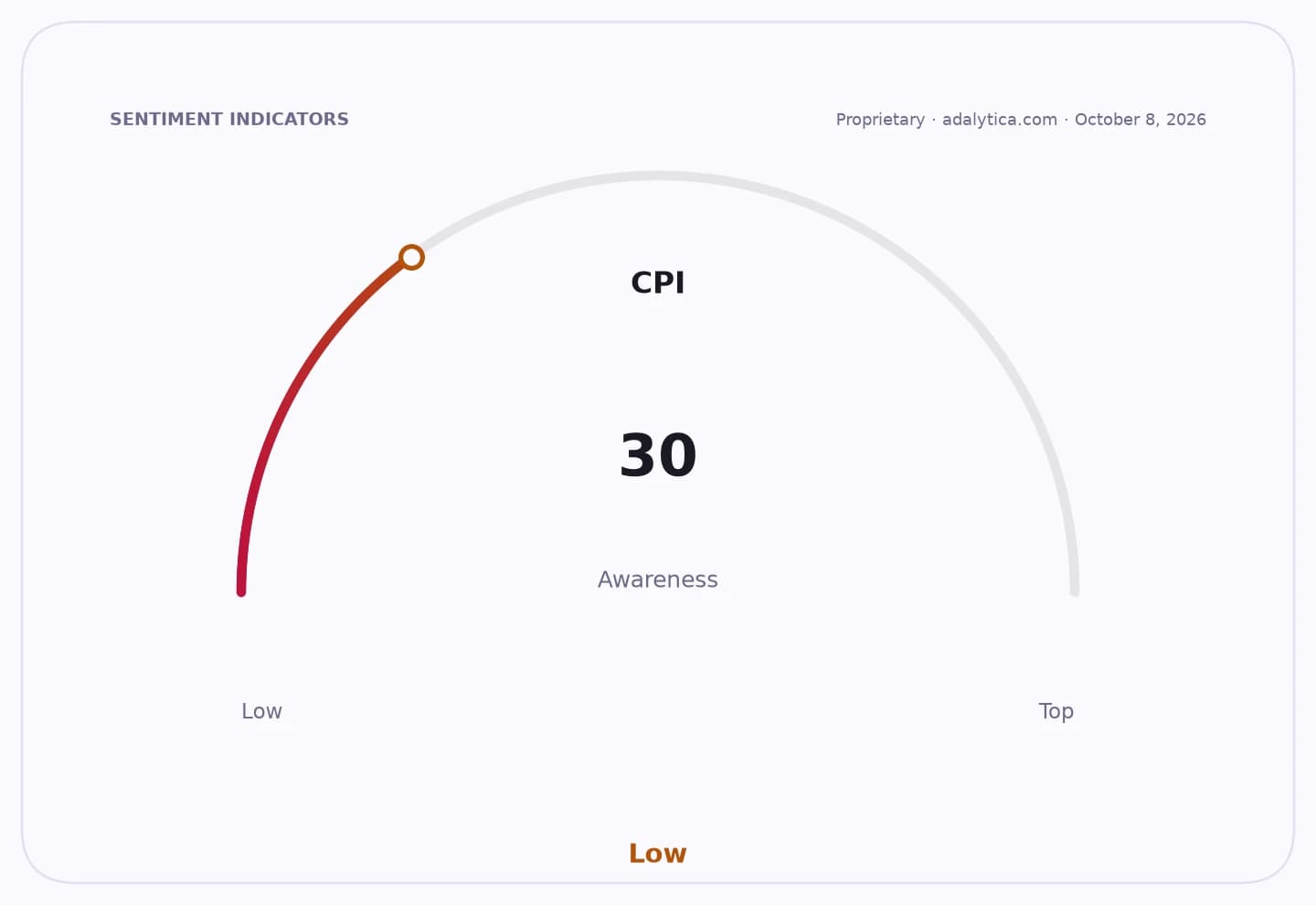
Sentiment IndicatorsⓘProprietary · adalytica.com · October 8, 2026
This is a snapshot — live sentiment, awareness and momentum for 130+ markets update continuously in the dashboard.Open AlphaPulse
The market has already been discounting that pressure. US Foods has surged from a low in the mid-$70s last year to above $100 in early September before retreating to about $96, even as its technical indicators cooled from overbought conditions. The stock’s latest read on the 50-day moving average remains above the 200-day average, but the decline from the September peak suggests investors are rethinking how much pricing power the company can preserve if customers push back. McDonald’s, by contrast, has been hit harder. Its shares have fallen to about $231 from a February high above $334, with the RSI deeply oversold and the price now far below both the 50-day and 200-day moving averages. That weakness reflects a simple risk: if food inflation stays sticky, either consumers absorb higher prices or margins do, and global quick-service brands often end up sharing the burden.
Sysco sits between those two extremes. Its stock has been largely range-bound around $77, still above its 200-day moving average but below its 50-day average, implying investors see a resilient distribution model but limited room for margin expansion. The company’s role in moving food from supplier to restaurant makes it one of the clearest barometers of demand, pricing and inventory discipline. In its latest filings, US Foods pointed to growth in independent restaurants, healthcare and hospitality volumes, evidence that demand remains intact even as pricing remains sensitive.
CPIAUCSL vs PPIACO — macro contextadalytica.com
Explore this data interactively — full history, time series and cross-market comparisons.Open AlphaPulse
The political dimension is what raises the stakes. The seed headline points to state security confiscating generators after food prices were raised, a sign that authorities may be using coercive tools against businesses seen as profiteering. That kind of intervention can spook wholesalers and retailers, reduce supply discipline and encourage hoarding or informal market activity. For investors, the danger is not just margin pressure but regulatory unpredictability: once governments decide price increases are politically intolerable, pricing freedom can disappear overnight.
The bull case is that food companies can pass through costs, and distributors with scale can still protect earnings. The bear case is that inflation, intervention and consumer resistance hit at the same time, leaving less room to recover input costs. With oil stabilizing only after a sharp spring rally and inflation still well above pre-pandemic norms, the next catalyst will be whether food-price controls spread beyond isolated interventions and into broader policy. If they do, the winners will be consumers in the short run; the losers will be the wholesalers, restaurant chains and suppliers forced to operate under tighter margins and greater political risk.
| Entity | Gains | Losses |
|---|---|---|
| Consumers | ▲Lower food prices | ▼Less supply choice |
| Governments | ▲Political cover | ▼Market credibility |
| US Foods | ▲Pricing discipline if demand holds | ▼Margin pressure from controls |
| McDonald’s and peers | ▲Stable input costs if inflation eases | ▼Consumer pushback on menu prices |