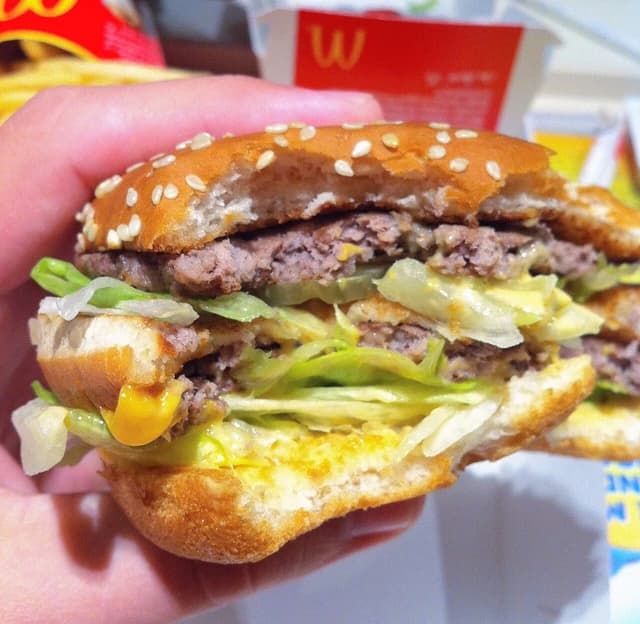
McDonald’s is increasingly using artificial intelligence to help determine what customers pay for Big Macs and other menu items, a move that could sharpen profits but also deepen friction with franchisees and invite regulatory scrutiny over how fast food prices are set.
McDonald's Uses AI for Local Menu Pricing
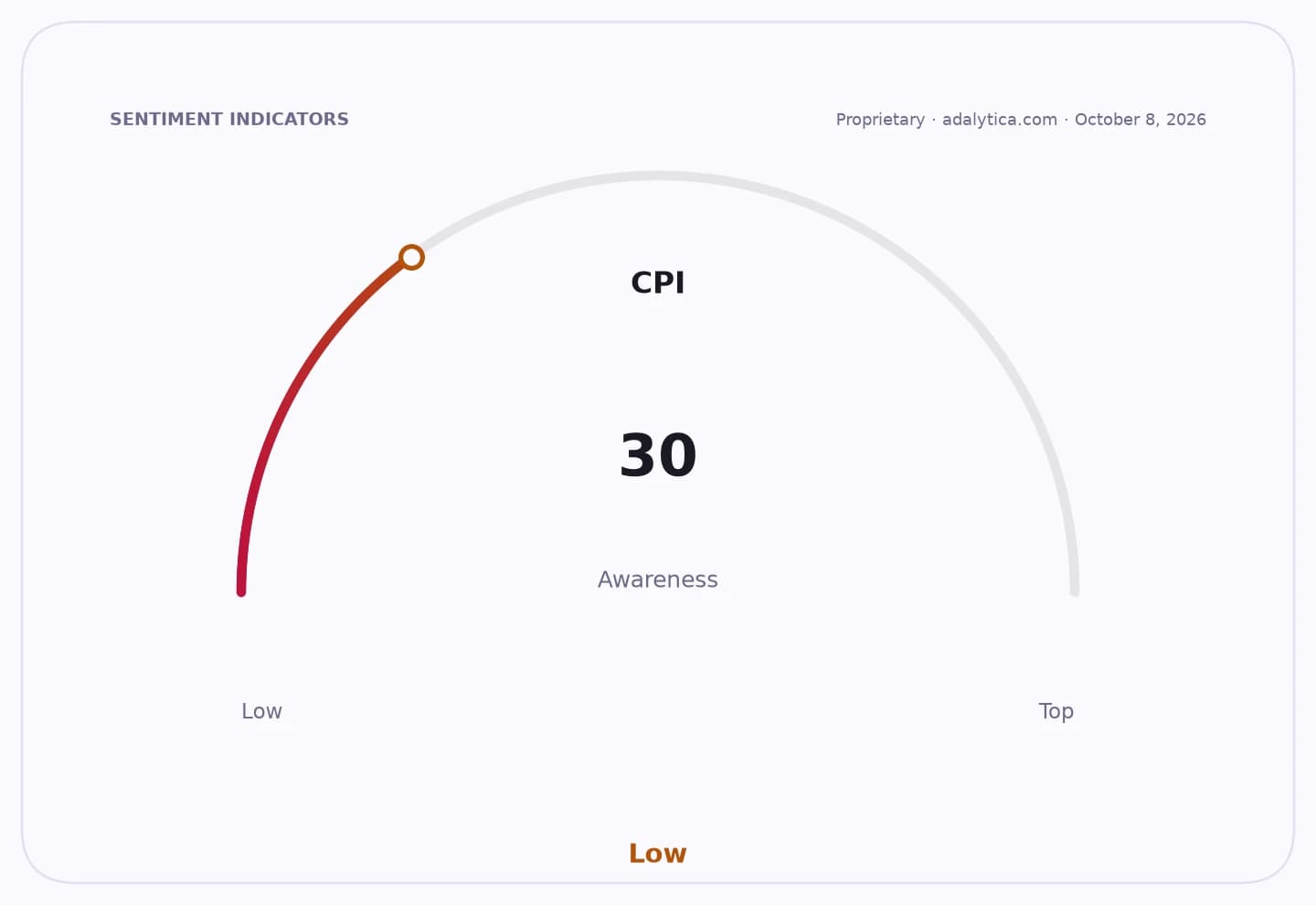
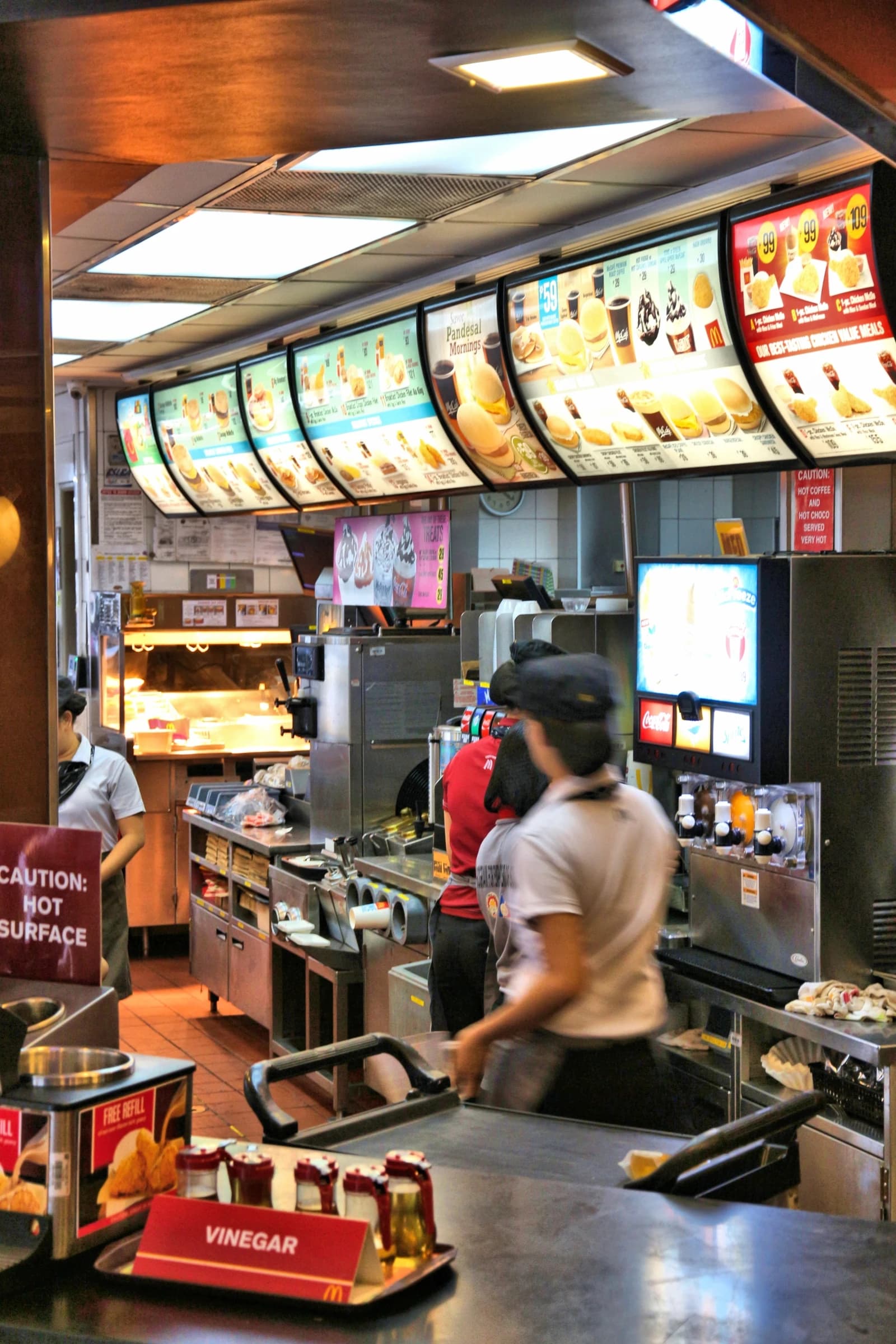
That matters because pricing is one of the most powerful levers in restaurant economics. A few cents here and a few dollars there can shape traffic, margins and franchisee satisfaction across a system with nearly 14,000 U.S. restaurants. Reuters reported that McDonald’s pricing tool, in use since at least 2019, analyzes millions of daily transactions and nearby rivals’ menu boards to recommend “optimal” prices for each restaurant, down to the local market level.
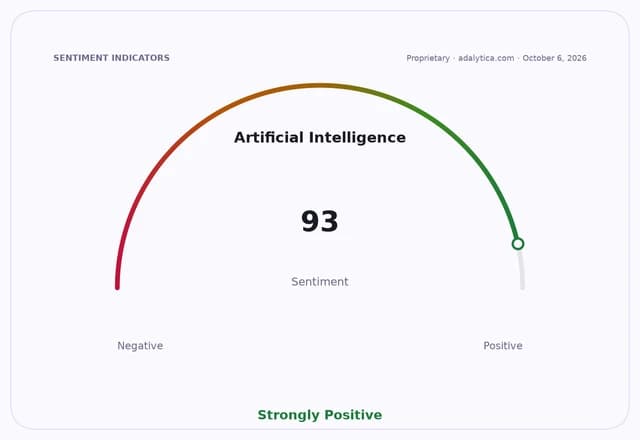
For investors, the bigger story is not that McDonald’s is experimenting with AI. It is that the technology is moving from marketing buzzword to core operating infrastructure, where it can affect revenue growth, profitability and brand trust all at once. If the system helps the company fine-tune pricing without killing demand, it could support the long-term earnings power that has made McDonald’s such a durable stock. If it pushes prices too high, or looks unfair to customers and owners, it could do the opposite.
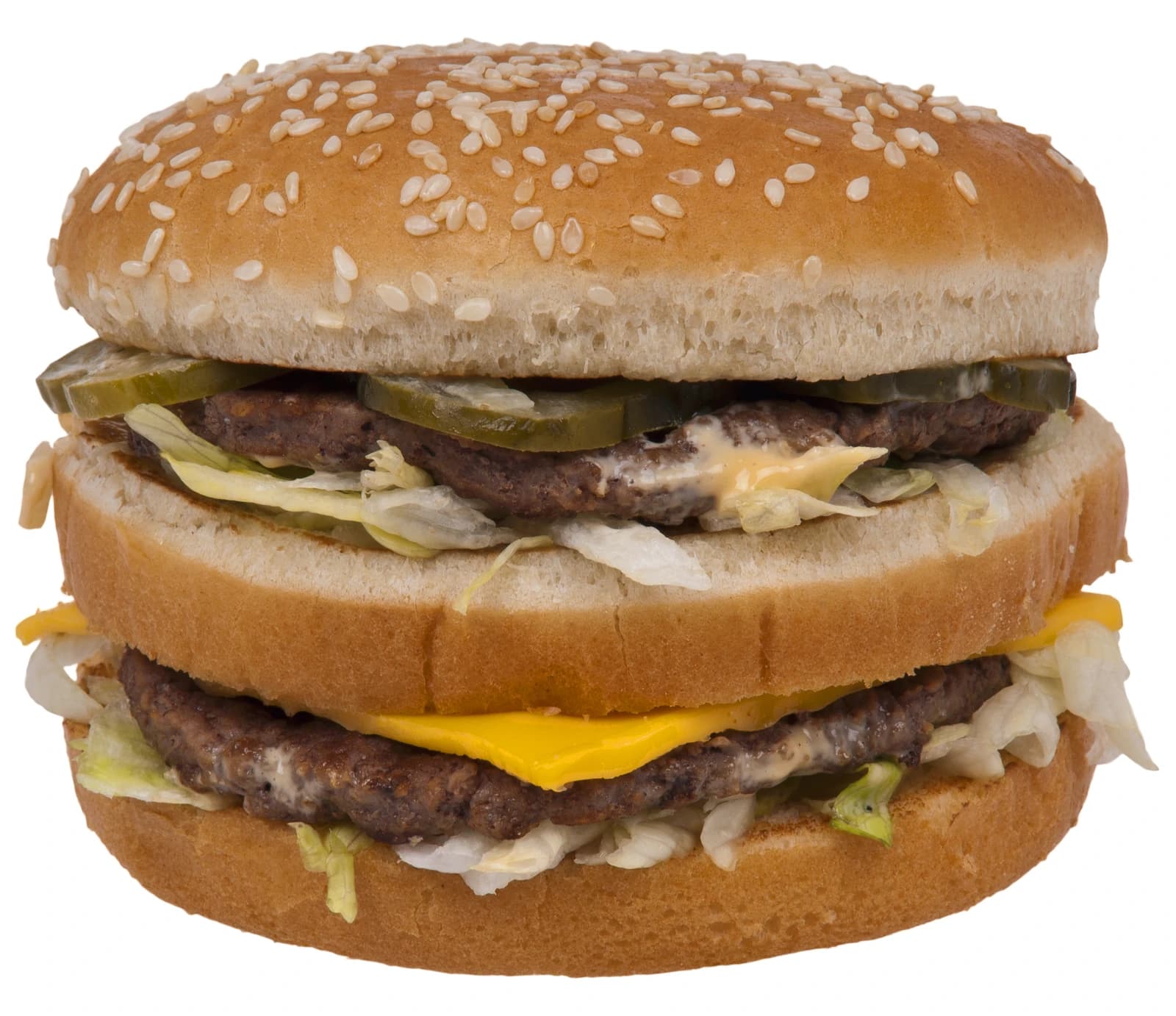
Reuters found one Big Mac priced at $5.69 in one Fresno, California, restaurant and $6.89 in another McDonald’s store about three kilometers away — a 21% gap. The report could not verify that the AI tool caused the difference, but the example captures why the debate matters. McDonald’s has always relied on the scale of its franchise system; AI may now be used to make that scale far more granular, with recommendations based on willingness to pay, local competition and transaction history.
The company says franchisees are free to set their own prices and describes the portal as a recommendation tool, not an order. Yet five owners told Reuters they felt pressure to follow the system’s advice, and McDonald’s records when operators deviate from it. Since January, the company’s rules have required franchisees to “participate constructively” with approved tools, and chief executive Chris Kempczinski has said pricing differences can become part of franchise performance reviews.
That creates a classic tension in franchising. Corporate McDonald’s earns a slice of franchisee sales, so lower prices that keep traffic flowing can benefit the parent. Franchisees, meanwhile, must cover wages, rent and food costs, which the National Restaurant Association says have risen 36% since 2019. In other words, the same menu price can help one side and hurt the other.
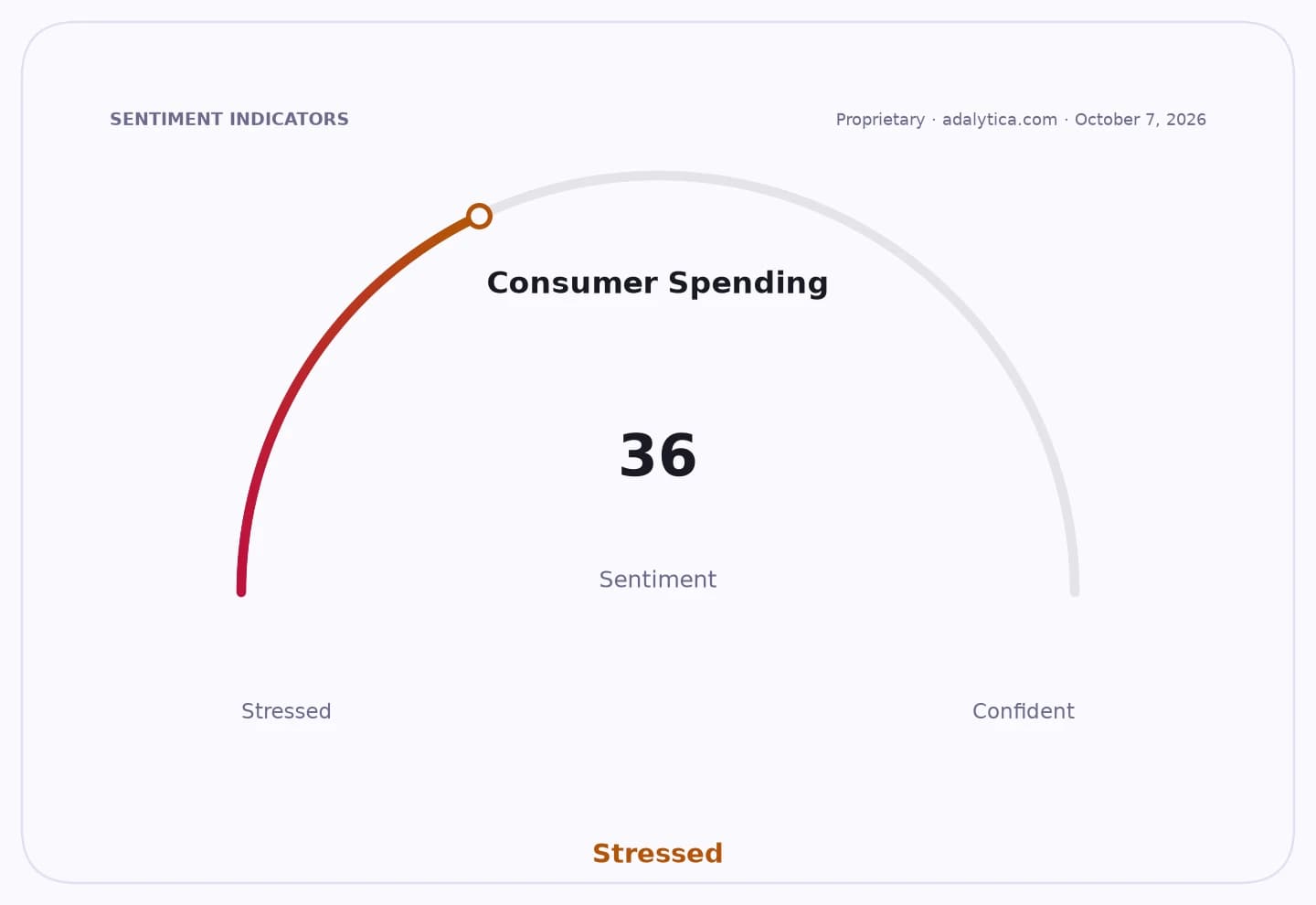
The AI recommendations appear to have shifted with the cycle. Franchisees said the tool urged aggressive price increases during the pandemic and inflation surge, then turned more cautious in recent months, sometimes recommending cuts. Kempczinski said in August that operators who did not keep certain products under $3 — about a third of the total — delivered much weaker business results. Even so, Placer.ai estimates show traffic has fallen year over year in every full month since March, suggesting pricing discipline alone has not fixed the demand problem.
That is the investor takeaway. AI can help McDonald’s optimize pricing, but it cannot by itself solve a consumer squeeze if households remain price-sensitive. The stock has also become technically oversold by conventional measures, with the shares recently trading around $233, below both the 50-day and 200-day moving averages, while the relative strength index has been deeply depressed. Long-term investors should see that as a reminder that sentiment can swing faster than fundamentals.
There is also a broader industry risk. U.S. courts and regulators are scrutinizing algorithmic pricing tools for signs they could facilitate illegal coordination, even indirectly. McDonald’s says its portal warns operators that they may be competitors and must comply with antitrust law. Experts differ on how much legal danger that creates, but the reputational risk is real: Wendy’s faced backlash over its own dynamic-pricing idea, and Instacart backed away from a test that showed different prices to different shoppers.
| Entity | Gains | Losses |
|---|---|---|
| McDonald’s corporate | ▲Better pricing control | ▼More franchisee backlash |
| Franchisees | ▲Local pricing flexibility | ▼Higher cost pressure |
| Consumers | ▲More price transparency | ▼Higher or uneven menu prices |
| Competitors | ▲Pressure to justify prices | ▼Less room to match margins |