Coffee lovers are finding one of De’Longhi’s best-known bean-to-cup machines at a rare bargain on Amazon, and that kind of discount matters because it puts premium espresso convenience within reach of a much broader group of households.
Amazon De'Longhi Magnifica S sold for 299.99 euros
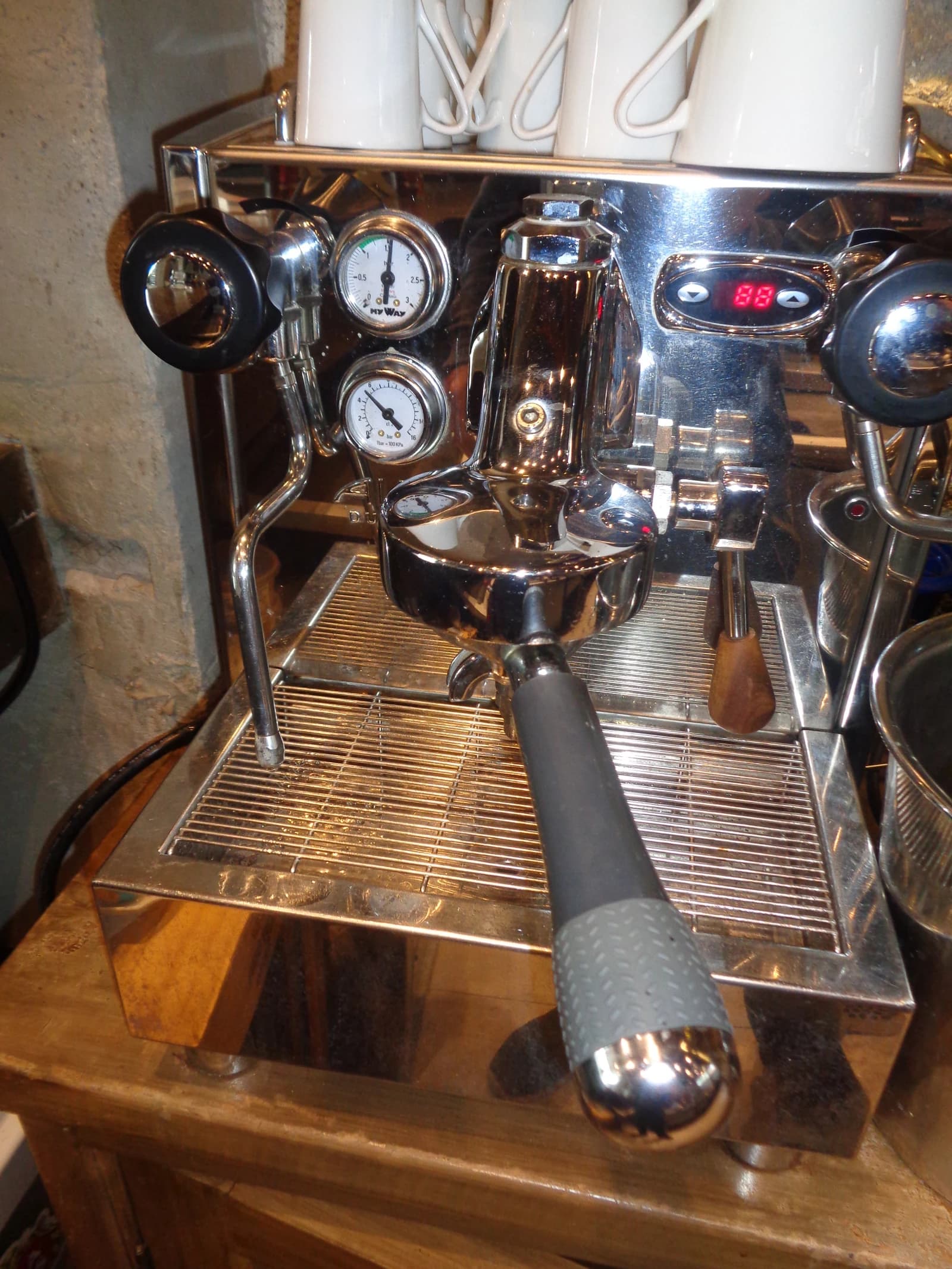
The Magnifica S, sold for 299.99 euros on Amazon, grinds beans fresh for each cup and offers 13 grind settings, adjustable aroma strength and one-touch espresso or long coffee preparation. It also includes a manual milk frother for cappuccinos and hot milk, plus automatic rinsing and descaling programs to make upkeep easier. For shoppers weighing a machine that can replace repeated café visits, the pitch is straightforward: more control, less friction and a lower upfront cost.
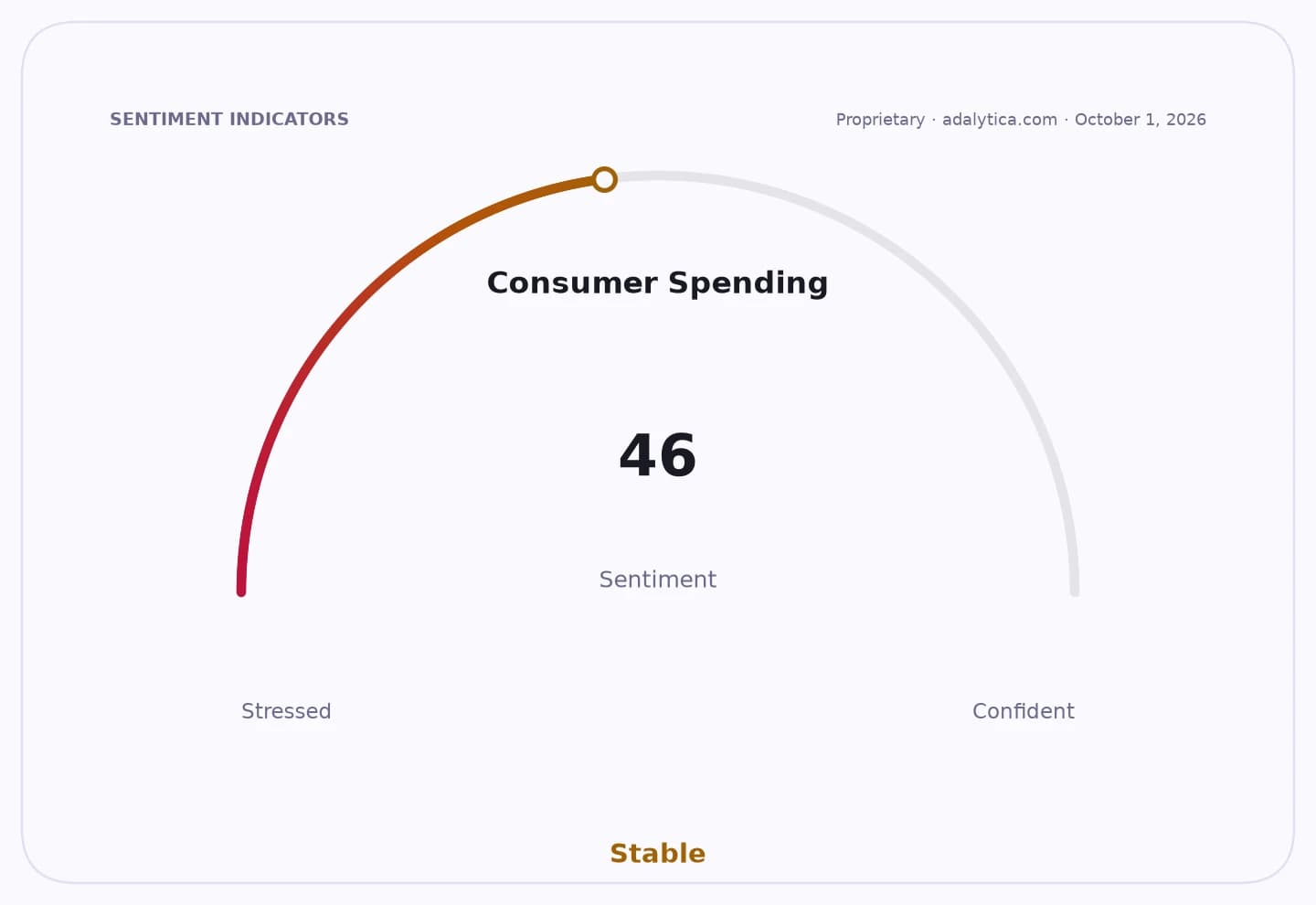
Sentiment IndicatorsⓘProprietary · adalytica.com · October 2, 2026
This is a snapshot — live sentiment, awareness and momentum for 130+ markets update continuously in the dashboard.Open AlphaPulse
That is why the price stands out. More than 7,000 customers have already bought the machine, suggesting Amazon’s marketplace power is doing what it often does best — turning a premium household appliance into an impulse-friendly purchase. For investors, the significance is less about the coffee itself than about the continuing strength of online retail in high-intent categories where consumers compare features, read reviews and convert quickly when the deal looks compelling.
Amazon benefits from that behavior in two ways. First, it reinforces the platform’s role as a default shopping destination for branded goods, where price transparency and fast fulfillment can drive conversion. Second, it keeps the company’s retail ecosystem sticky even as investors focus on higher-margin businesses such as cloud computing and advertising. A well-reviewed appliance deal may not move Amazon’s earnings by itself, but the accumulated effect of millions of these purchases is what sustains traffic and keeps third-party sellers relevant.
The broader consumer backdrop is mixed. Adalytica’s Consumer Spending Sentiment snapshot is neutral at 46, but awareness is at an “Extreme Greed” reading of 100, a sign that bargain hunting and deal discovery remain powerful forces even when broader sentiment is unsettled. That helps explain why promotions around everyday luxuries — coffee machines, kitchen gadgets, small appliances — continue to draw attention. Consumers may be cautious, but they are still willing to spend when value is obvious.
Long term, the story is really about habits. Coffee is a repeat purchase, and products that help households make café-style drinks at home can win durable demand if they combine convenience, reliability and a price that feels justified. For De’Longhi, the Magnifica S stays attractive as an entry-level gateway into bean-to-cup coffee. For Amazon, it is another reminder that the company’s marketplace model still excels at matching price-sensitive demand with branded products people already want.
Investors looking beyond the headline deal should see the same theme: the strongest consumer platforms are the ones that can consistently convert everyday wants into transactions. This one looks worth watching as a small but useful example of Amazon’s retail machine at work.
| Entity | Gains | Losses |
|---|---|---|
| Amazon | ▲More marketplace traffic | ▼Lower-margin pricing pressure |
| De’Longhi | ▲Higher unit volume | ▼Less room for premium pricing |
| Coffee shoppers | ▲Premium machine at a discount | ▼Full-price café alternatives |
| Local cafés | ▲Fewer at-home barriers | ▼Some routine breakfast traffic |