Kopi Luwak, the Indonesian coffee made from beans that pass through the digestive tract of the Asian palm civet, can fetch as much as $600 a pound in wild-collected form — a price that shows how scarcity, novelty and brand story can turn an everyday drink into a luxury commodity.
Kopi Luwak Prices Reach $600 a Pound
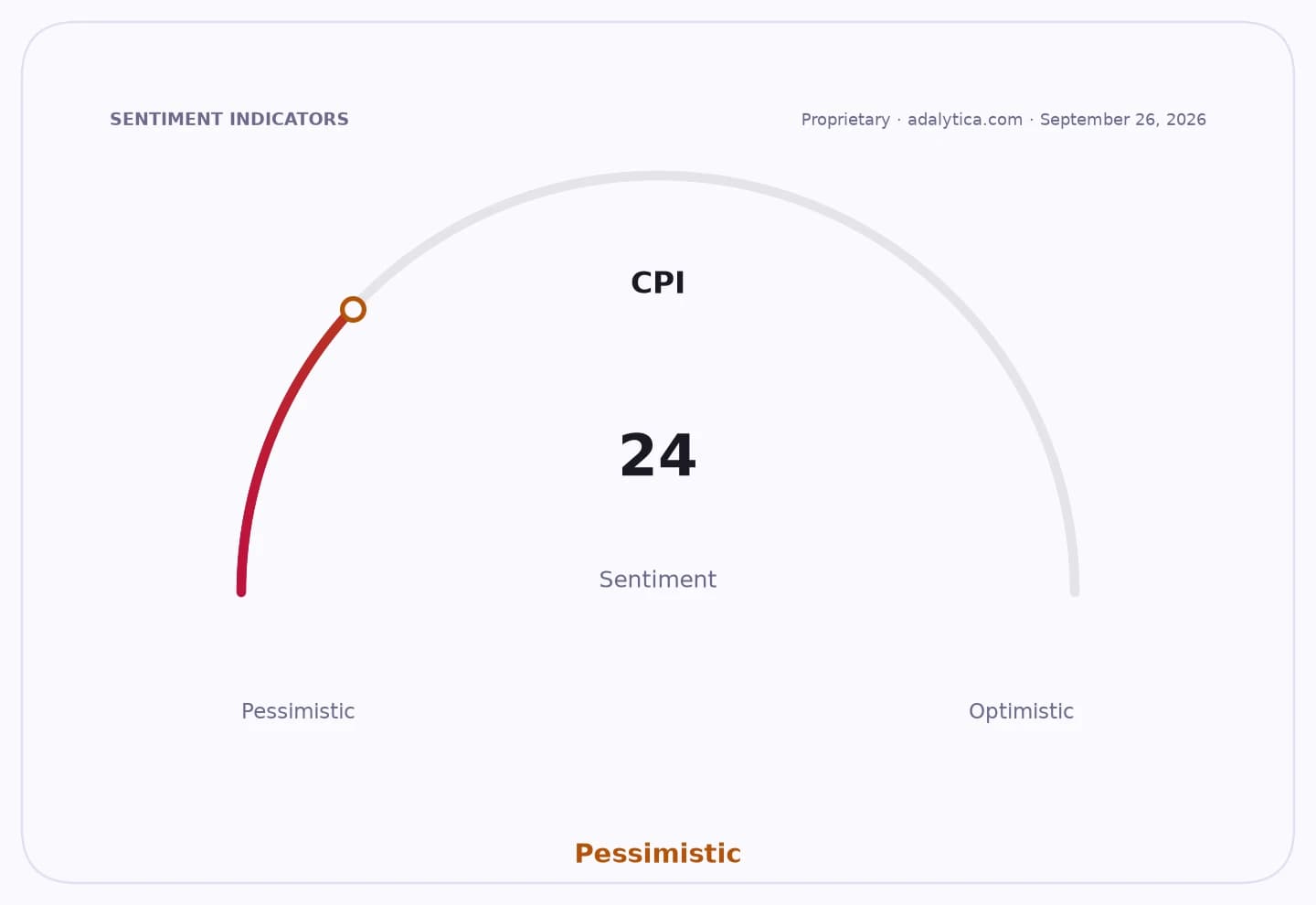
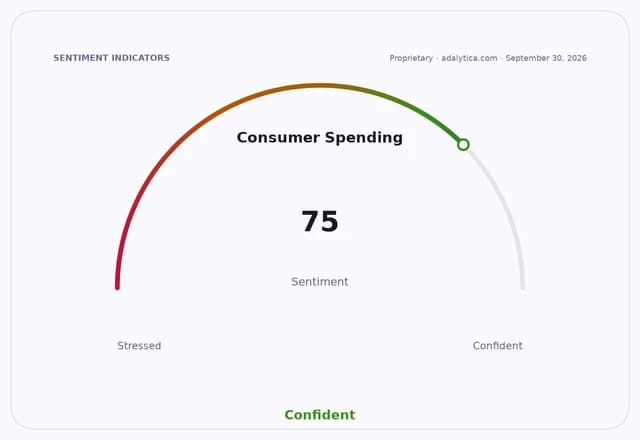
For investors and coffee businesses, the bigger lesson is that premium beverages still have pricing power even when costs rise elsewhere in the market. Coffee may be a daily necessity for millions, but the high end of the category is being driven by consumers willing to pay for exclusivity, experience and a strong origin story. That helps explain why specialty coffee has remained resilient even as broader consumer spending has become more cautious, according to market sentiment data that still points to fear in the S&P 500 but greed in discretionary spending.
Sentiment IndicatorsⓘProprietary · adalytica.com · September 30, 2026
This is a snapshot — live sentiment, awareness and momentum for 130+ markets update continuously in the dashboard.Open AlphaPulse

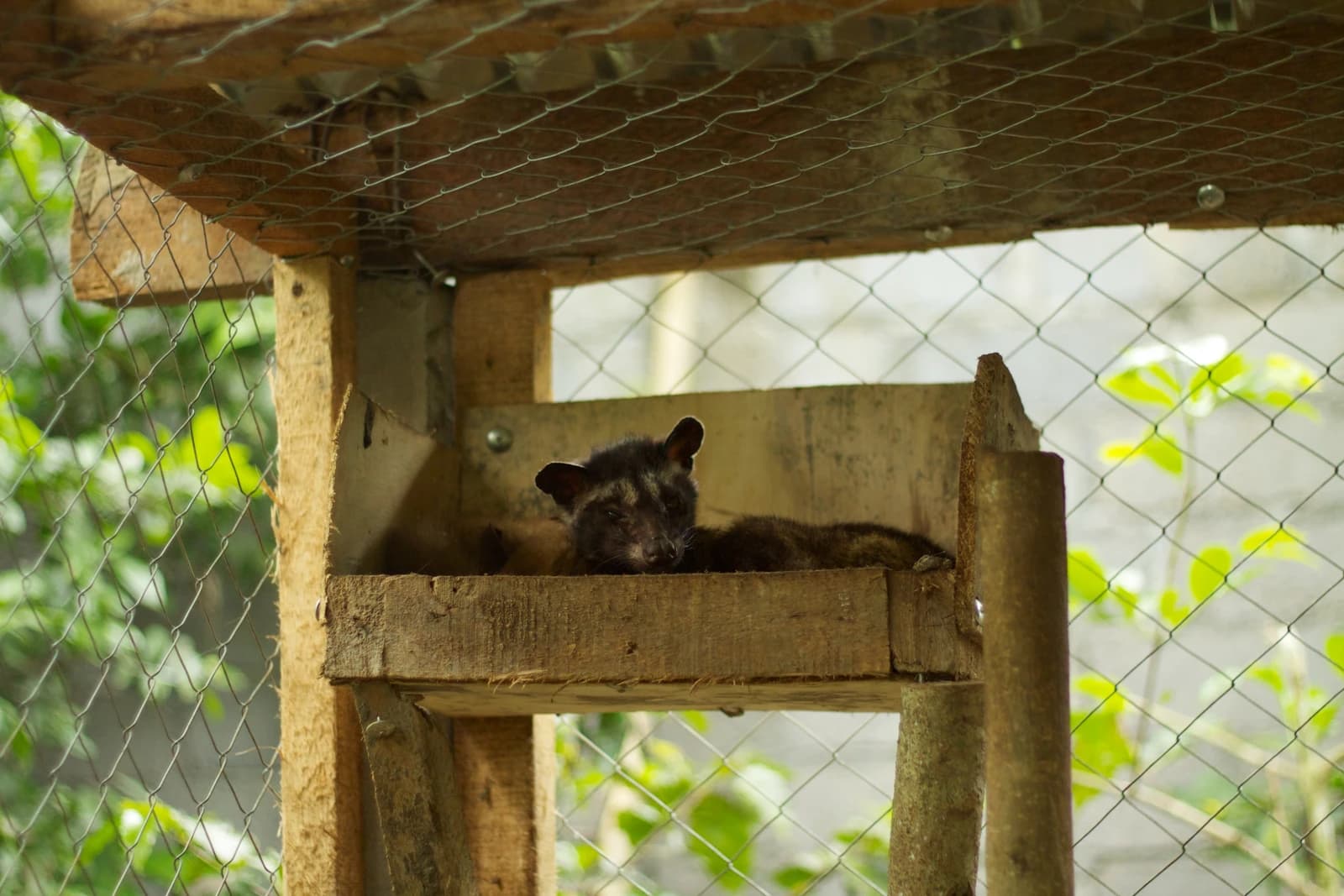
Kopi Luwak is not simply expensive because it is unusual. The process begins when the civet eats ripe coffee cherries, digests the fruit and leaves the beans behind, which are then collected, cleaned, dried and roasted. Supporters say the journey through the animal’s digestive system can alter the chemistry of the bean, producing a smoother cup with less bitterness. But the premium is driven just as much by rarity as by taste.
That matters because the coffee business has long been a story of scale, branding and supply chain control. The price spread is huge: coffee from civets kept in captivity can start around $45 a pound, while wild-collected beans can reach $600 a pound, or about $1,320 per kilogram. In some international markets, a single cup can sell for about $100. For producers, that means there is still room to monetize niche demand far beyond the commodity price of ordinary coffee.
The category also shows how consumers increasingly buy identity as much as caffeine. People are not paying only for a beverage; they are paying for a conversation piece, a travel story and a status symbol. That is why Kopi Luwak has survived even amid criticism and debate over whether it deserves the “best coffee in the world” label. In reality, it is best understood as one of the most expensive and most unusual coffees on the planet.
For long-term investors, the takeaway is that premiumization remains a powerful trend in food and drink. Brands that can own a distinctive origin, enforce quality and protect authenticity can command outsized margins, even in a market where everyday consumers remain price-sensitive. The challenge is that the very scarcity that creates value also limits scale.
That makes Kopi Luwak a useful reminder: in consumer goods, the strongest moats are often built less on volume than on story, trust and perceived rarity. Investors watching the coffee sector should keep an eye on specialty players that can turn that same logic into repeatable economics.
| Entity | Gains | Losses |
|---|---|---|
| Kopi Luwak producers | ▲Ultra-premium pricing | ▼Mass-market coffee brands |
| Luxury coffee retailers | ▲High margins | ▼Price-sensitive buyers |
| Coffee enthusiasts | ▲Exotic experience | ▼Budget-conscious consumers |
| Authenticity-focused sellers | ▲Scarcity premium | ▼Counterfeit and low-quality sellers |