Coffee prices in key Vietnamese growing regions rose 200 VND per kilogram to an average 95,400 VND on Sept. 16, extending a volatile stretch in a market that is helping set the tone for global coffee costs.
Vietnam coffee prices rise to 95,400 VND

The move matters because Vietnam is the world’s biggest Robusta producer, and Robusta is the bean most closely tied to instant coffee and a growing share of espresso blends. When local prices firm, it can filter through to roasters, beverage chains and consumer packaged goods companies that are already managing sticky food and beverage inflation.
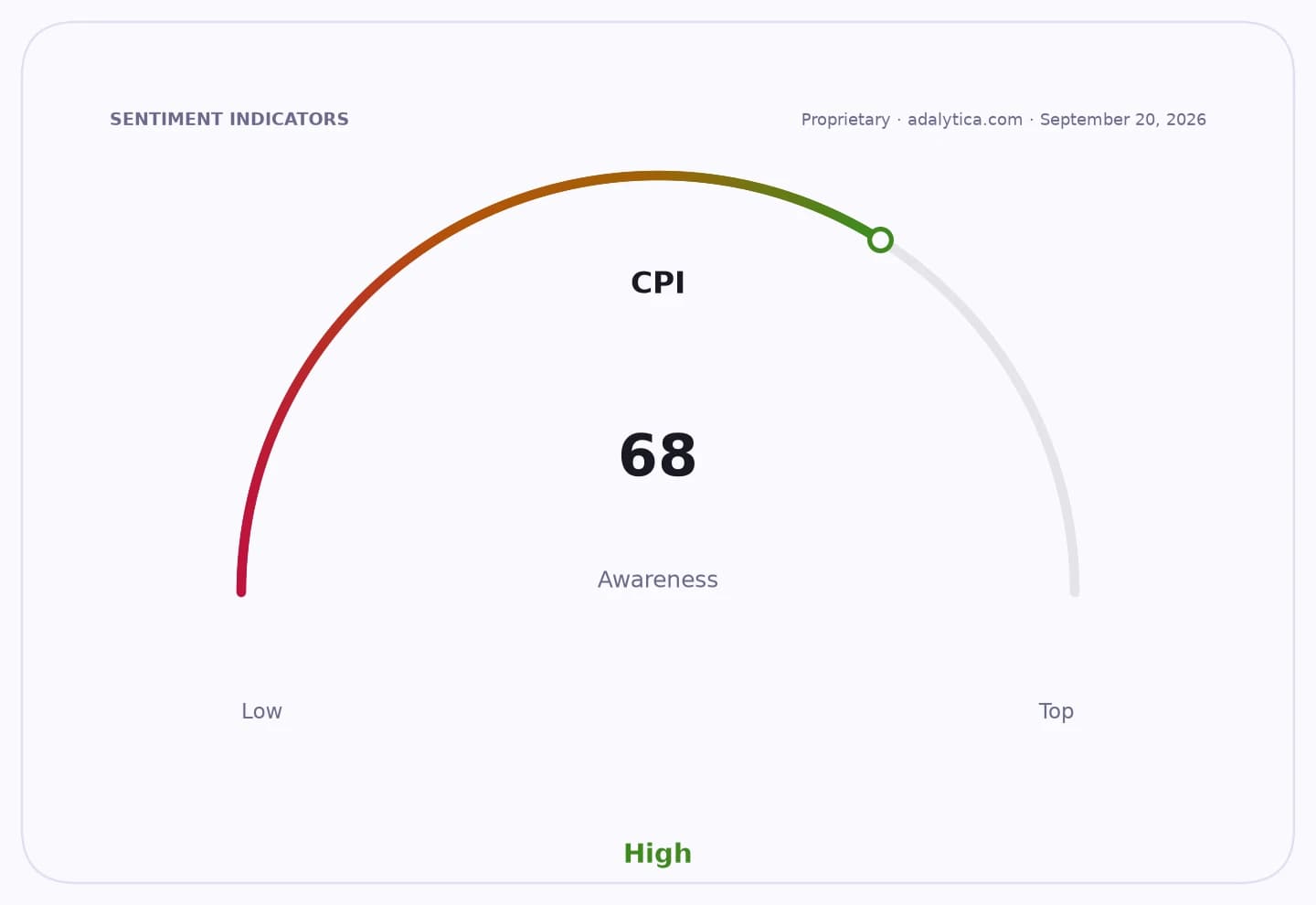
Sentiment IndicatorsⓘProprietary · adalytica.com · September 16, 2026
This is a snapshot — live sentiment, awareness and momentum for 130+ markets update continuously in the dashboard.Open AlphaPulse
The latest increase follows a week of swings, with prices slipping 500 VND on Sept. 13 before rebounding. Traders are balancing concerns about adverse weather in Vietnam’s Central Highlands against pressure on Arabica from ample Brazilian supply, leaving the market short of a clear trend but still anchored at elevated levels.
For investors, that keeps commodity costs on the radar for Starbucks, McDonald’s and Chipotle Mexican Grill, which have all seen their shares under pressure in recent sessions. Starbucks closed at $96.58 on Sept. 15, below its 50-day moving average of $104.61, while McDonald’s ended at $252.78 versus a 50-day average of $265.71. Chipotle, which is more exposed to broader ingredient inflation than coffee specifically, closed at $34.83 after recent weakness.
The broader read-through is that high coffee prices remain supported by steady international demand, including stronger buying from the EU and the US, even as supply from Brazil and weather risk in Vietnam keep volatility elevated. That mix favors growers and exporters, but it leaves importers, café operators and packaged beverage companies facing tighter margin management into the next round of pricing and earnings updates.
The key catalyst now is weather in Vietnam and Brazil’s crop flow, both of which will determine whether this rebound extends or gives way to another price reset.
| Entity | Gains | Losses |
|---|---|---|
| Vietnamese coffee growers | ▲Higher farm-gate prices | ▼Input-cost pressure eases less for buyers |
| Exporters/merchants | ▲Firmer selling prices | ▼Greater volatility risk |
| Starbucks, McDonald’s | ▲Potential menu-pricing power | ▼Margin pressure from coffee costs |
| Coffee importers/roasters | ▲Supply security if demand stays strong | ▼Higher raw-bean costs |