Starbucks’ latest moves show that in coffee, “value” is no longer just about paying less — it is about paying for quality, consistency and a brand that can defend pricing even when consumers get choosy.
Starbucks and Coffee Value Shift
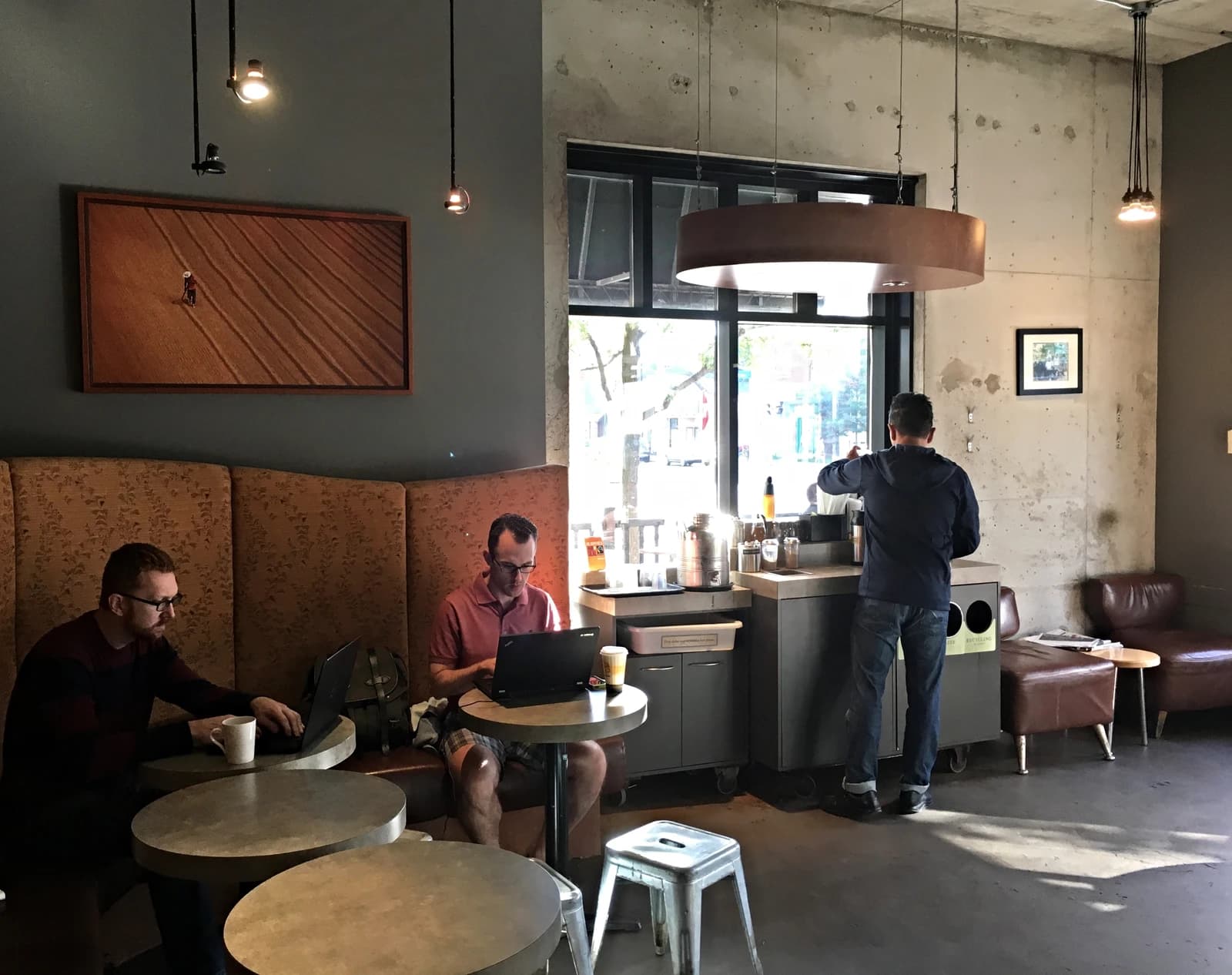
That matters because the coffee market is being pulled in two directions at once. On one side, producers and roasters are pushing deeper processing, better Arabica beans and sustainability-led investment to lift the worth of raw coffee. On the other, consumers are feeling pressure and trading down, forcing global brands to prove that a cup is worth the premium. For investors, that mix is critical: the winners will be the companies that can keep traffic, protect margins and justify higher prices without breaking demand.
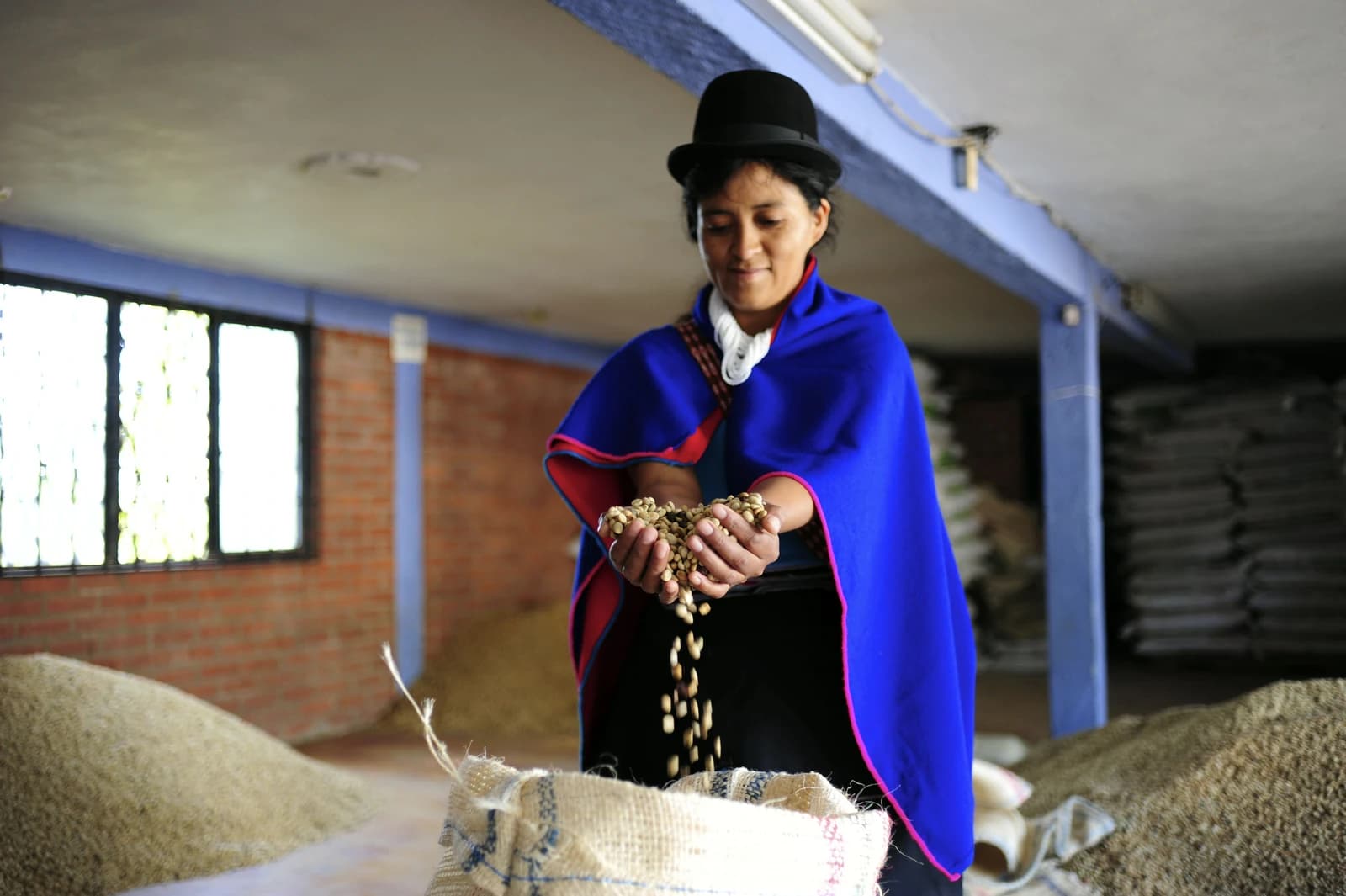
In Son La province, local officials are intensifying efforts to attract investment into deep coffee processing, aiming to turn raw beans into higher-value products and build a more sustainable industry. That sounds regional, but the economics are global. Coffee margins are created not only in the field, but in processing, branding and retail. When origin markets move up the value chain, they can capture more of the end price — and that can reshape who earns the profits in the supply chain.
The idea fits a broader consumer shift around the word “value.” In everyday language, value used to mean cheap. Now it often means better quality, better taste and a product people feel good about buying. That is especially true in coffee and tea, where shoppers may cut back on frequency before they abandon the category entirely. A better bean, a more premium roast or a trusted café can still win share if customers believe the experience justifies the spend.
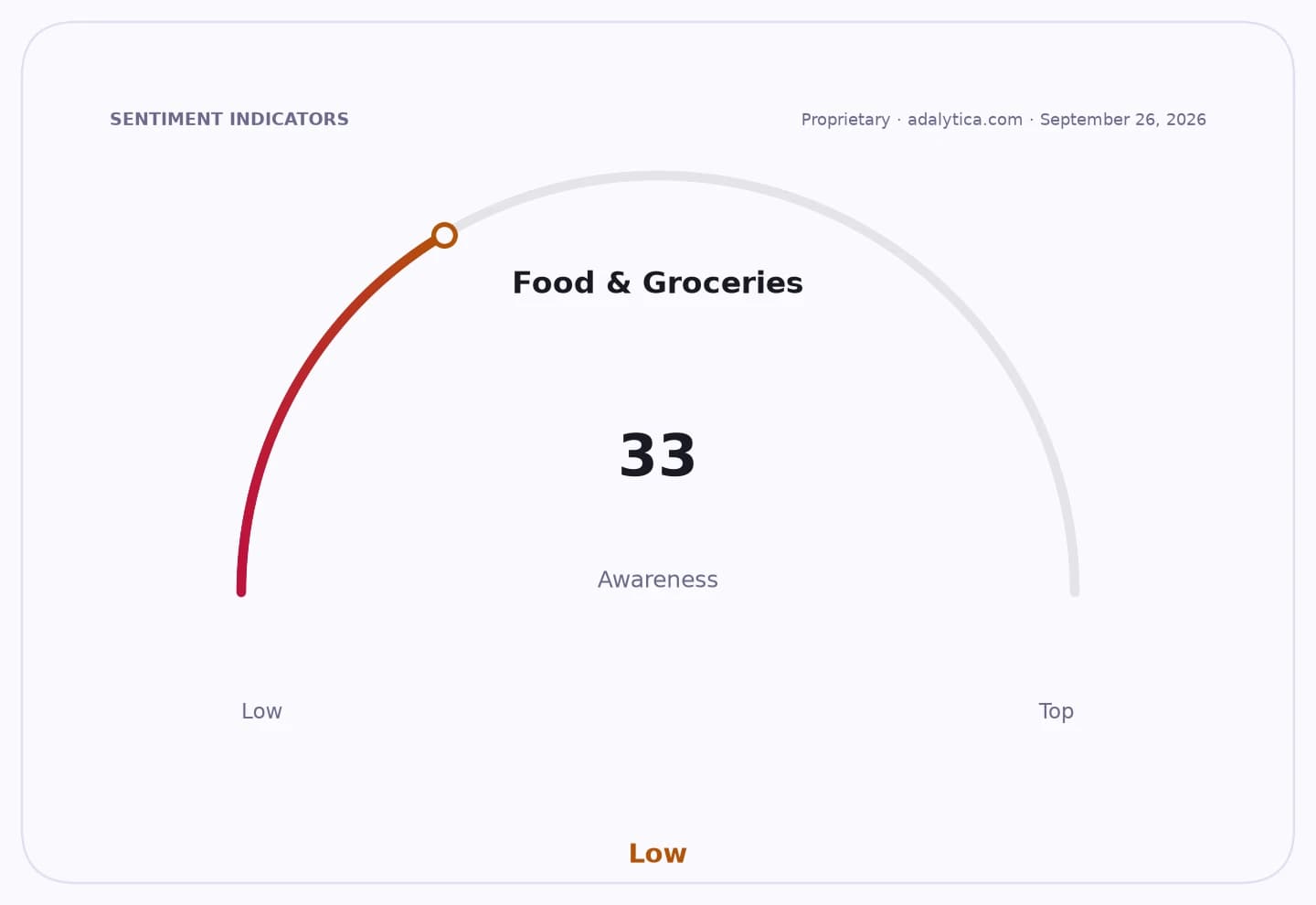
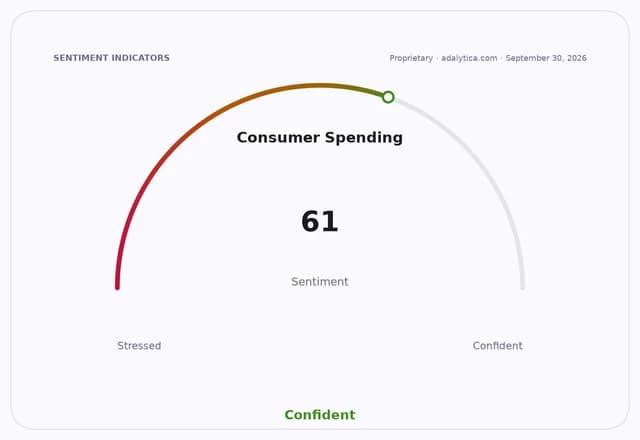
Consumer Spending vs SBUXadalytica.com
Explore this data interactively — full history, time series and cross-market comparisons.Open AlphaPulse
That is why Starbucks remains relevant to the story even after years of scrutiny over traffic, pricing and competition. The company has been leaning into menu innovation, brand marketing and loyalty, while also taking more restructuring steps under its “Back to Starbucks” plan. The latest round of exit costs underscores how seriously management is treating the need to reset the business. If Starbucks can sharpen the customer proposition, it can defend a premium position in a market where consumers are more selective than they were a few years ago.
The technical picture also reflects a business in transition. Starbucks shares recently slipped back toward the mid-$90s after trading well above their 50-day and 200-day moving averages earlier in the year, and the RSI has cooled sharply from overbought levels. That does not tell investors what the stock should be worth, but it does show how quickly sentiment can swing when a premium brand is asked to prove its staying power.
For smaller coffee names such as JVA, the opportunity is different but related. Companies that live closer to the commodity and wholesale side of the market can benefit when consumers become more price-sensitive and when roasters want broader offerings across price points. But they also face the brutal reality of input costs and a far thinner moat than a global brand. In coffee, not every player gets to capture the premium.
The long-term lesson for investors is that the coffee business is moving away from a simple volume story and toward a value-added story. Producers want more of the profit pool. Roasters want loyalty and pricing power. Consumers want quality they can justify. The stocks that can balance all three will be the most resilient, and that is worth watching for patient investors who think in years, not quarters.
| Entity | Gains | Losses |
|---|---|---|
| Coffee producers in Son La | ▲Higher-value processing | ▼Raw-bean pricing power |
| Starbucks | ▲Premium brand resilience | ▼Traffic if consumers trade down |
| JVA and wholesale roasters | ▲Demand for cheaper options | ▼Margin pressure from inputs |
| Consumers | ▲Better quality choices | ▼Lowest-price coffee options |