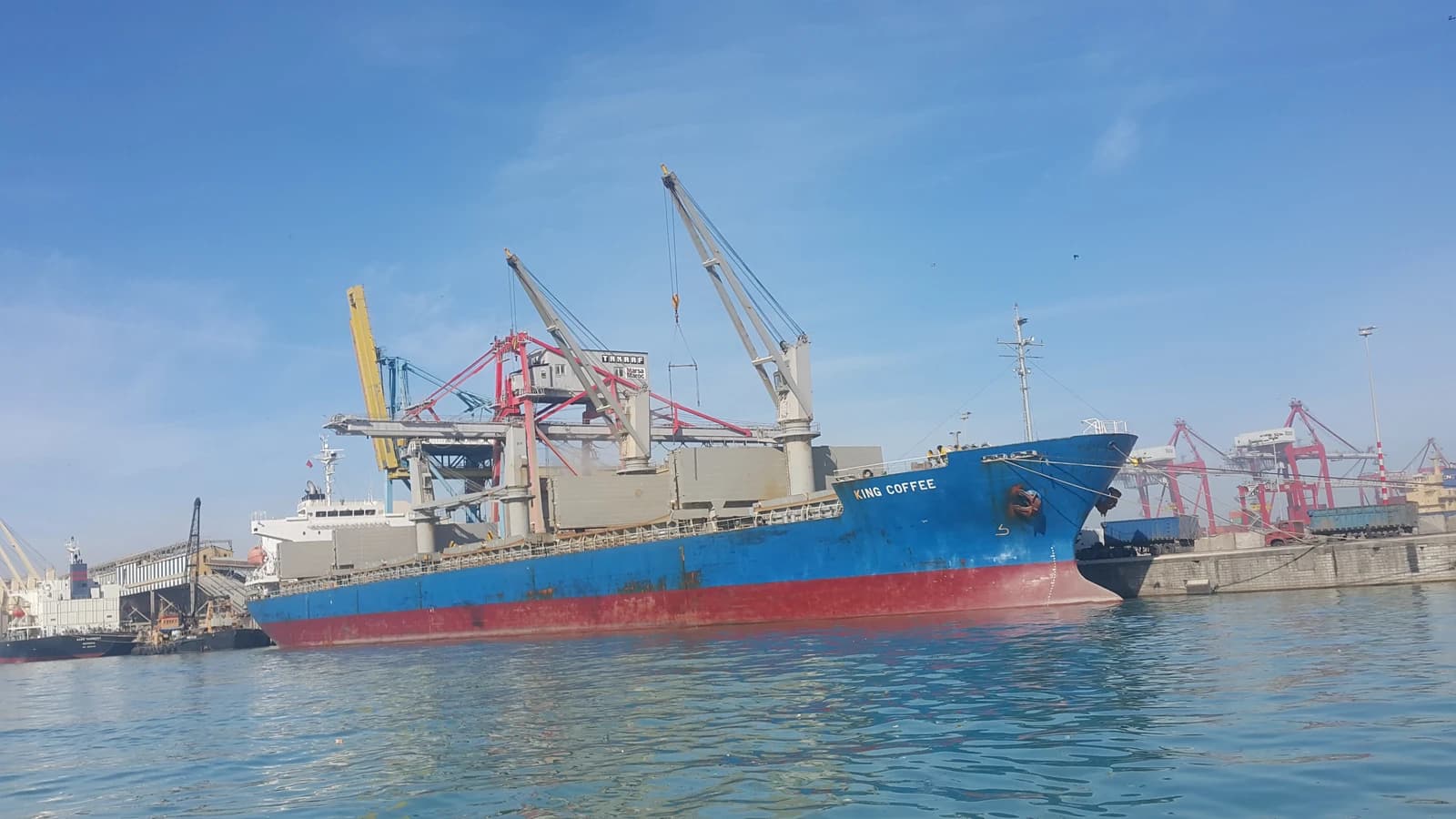
Colombia’s coffee federation has raised the price paid for pasilla coffee to help growers absorb El Niño damage that is degrading bean quality and squeezing farm incomes.
Colombia raises pasilla coffee floor price
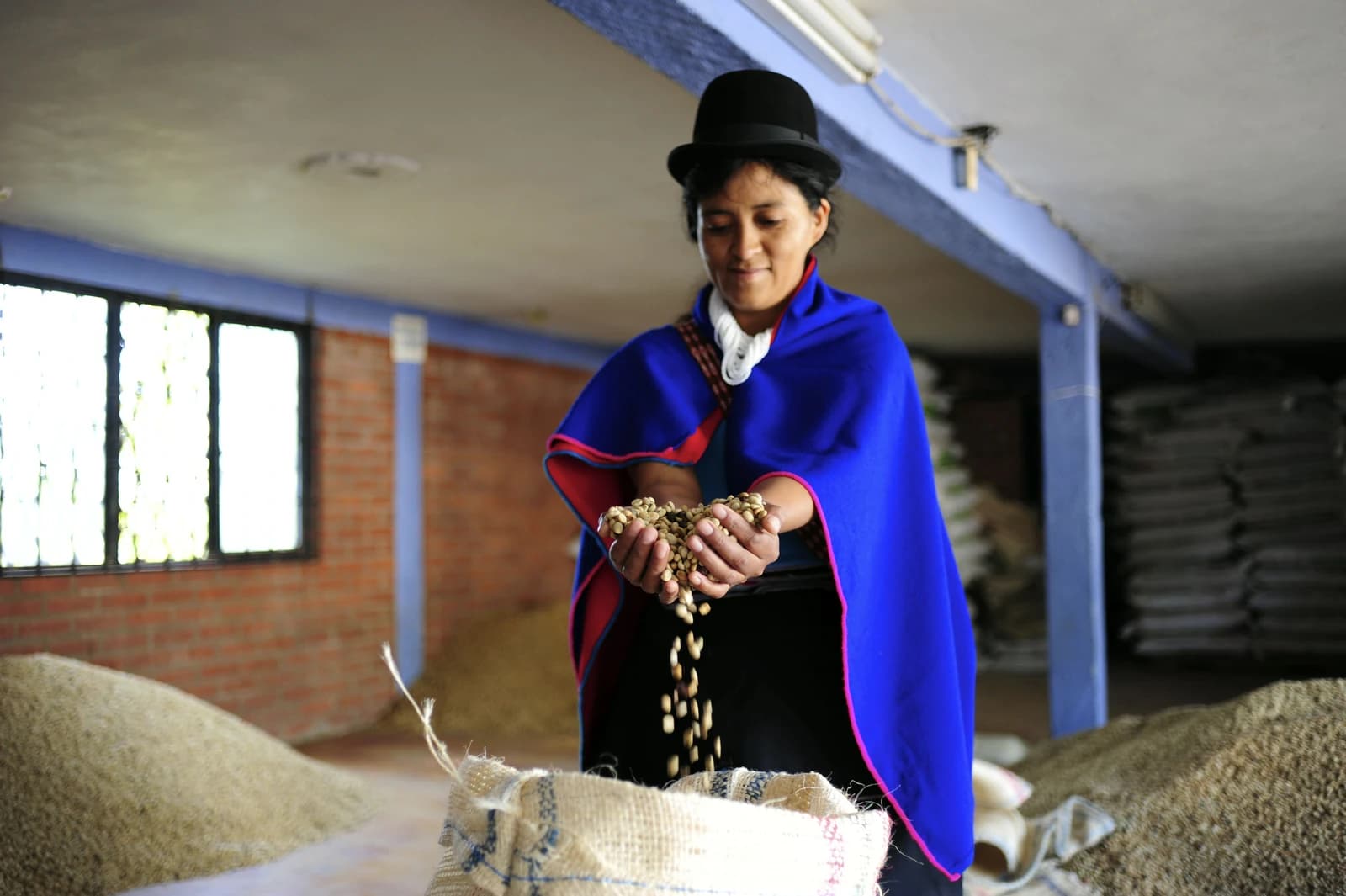
The National Federation of Coffee Growers said the floor price for pasilla contained in parchment coffee will rise to 12,000 pesos per kilogram from 10,000 pesos, a move aimed at cushioning producers as drought leaves more beans underfilled and more output slipping into lower grades. Pasilla is not the export-grade part of the crop, but it still has value in the domestic market, so the change directly boosts what farmers can collect for imperfect harvests.
Sentiment IndicatorsⓘProprietary · adalytica.com · September 29, 2026
This is a snapshot — live sentiment, awareness and momentum for 130+ markets update continuously in the dashboard.Open AlphaPulse
That matters because Colombia’s coffee sector is facing a layered hit: weather stress from El Niño, weaker bean quality, infrastructure damage, a rebound in Brazil’s output, low international prices, a stronger peso and reduced supply. In other words, growers are being squeezed from both the field and the market. By paying more for lower-quality beans, the federation is trying to prevent weather losses from turning into a cash-flow crisis across the country’s 23 coffee-growing departments.
The federation also said it will recognize 30 brocaded beans as if they were excelso and that the change applies to all coffee purchasing programs this season. It has already executed a COP 40 billion fertilization plan funded through the coffee price stabilization fund, underscoring how aggressively it is trying to defend producer income before the dry spell deepens.
For investors, the key point is that climate disruption is no longer just an agricultural headline; it is a pricing and margin event across the coffee chain. When producers are forced to protect income by raising local buying prices for lower grades, the pressure shifts downstream to domestic roasters, traders and consumer pricing, while tightening the quality mix available for export. In a market already sensitive to supply shocks, that can keep volatility elevated even when benchmark futures soften on abundant global supply.
The broader narrative is straightforward: El Niño is exposing how fragile coffee economics remain, and Colombia is moving early to defend growers before the damage becomes structural. Our view is that the market continues to underestimate how climate-driven quality losses can support selective pricing power in origin markets even during periods of headline oversupply. That makes the next leg in coffee less about simple harvest volumes and more about who controls the best beans, the best margins and the best hedges.
| Entity | Gains | Losses |
|---|---|---|
| Colombian coffee growers | ▲Higher income protection | ▼Weather-damaged output |
| Federation of Coffee Growers | ▲Stabilizes producer base | ▼Higher support costs |
| Domestic roasters/traders | ▲Short-term supply access | ▼Higher input costs |
| Coffee consumers | ▲Better farmer resilience | ▼Potentially firmer local prices |