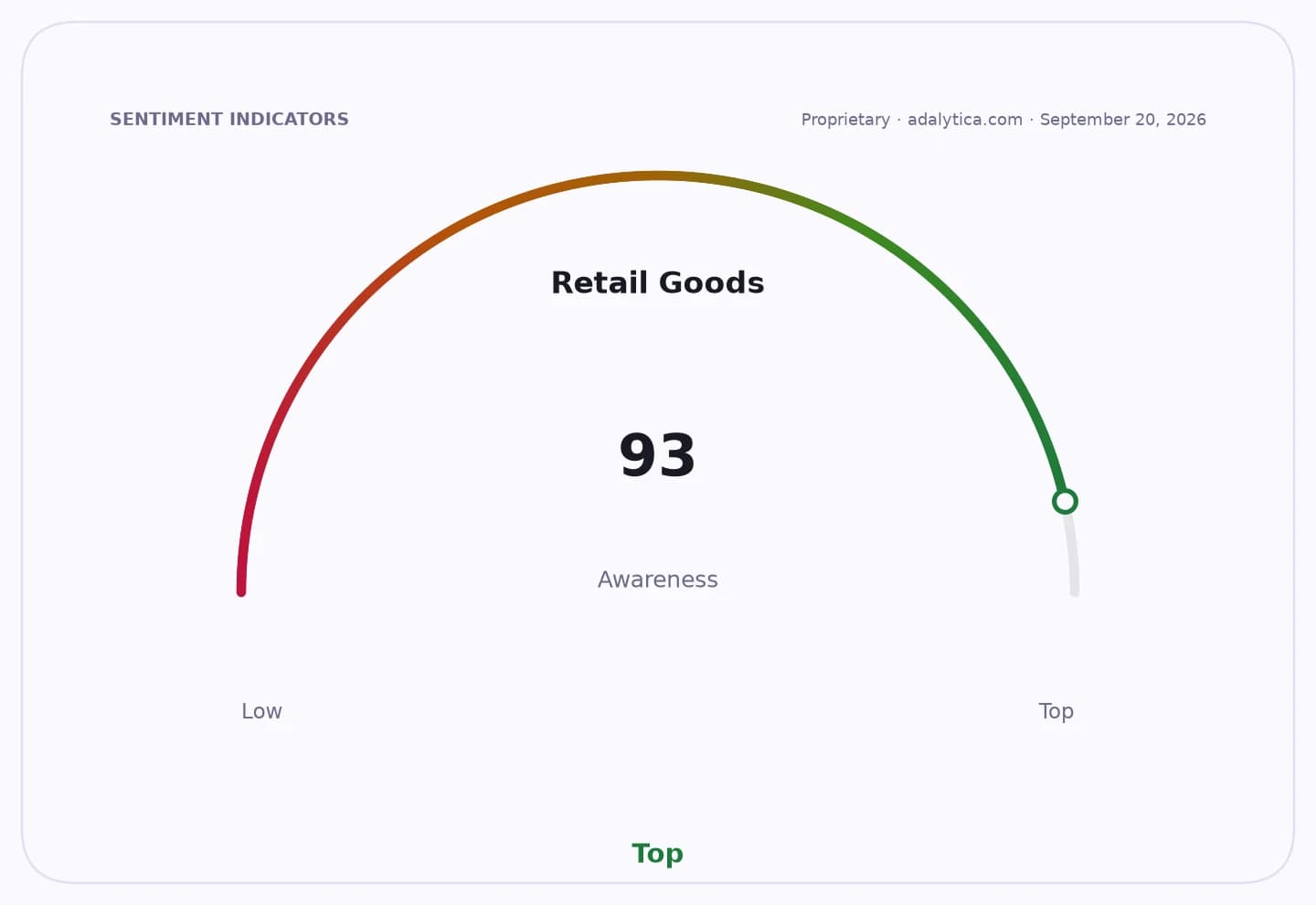
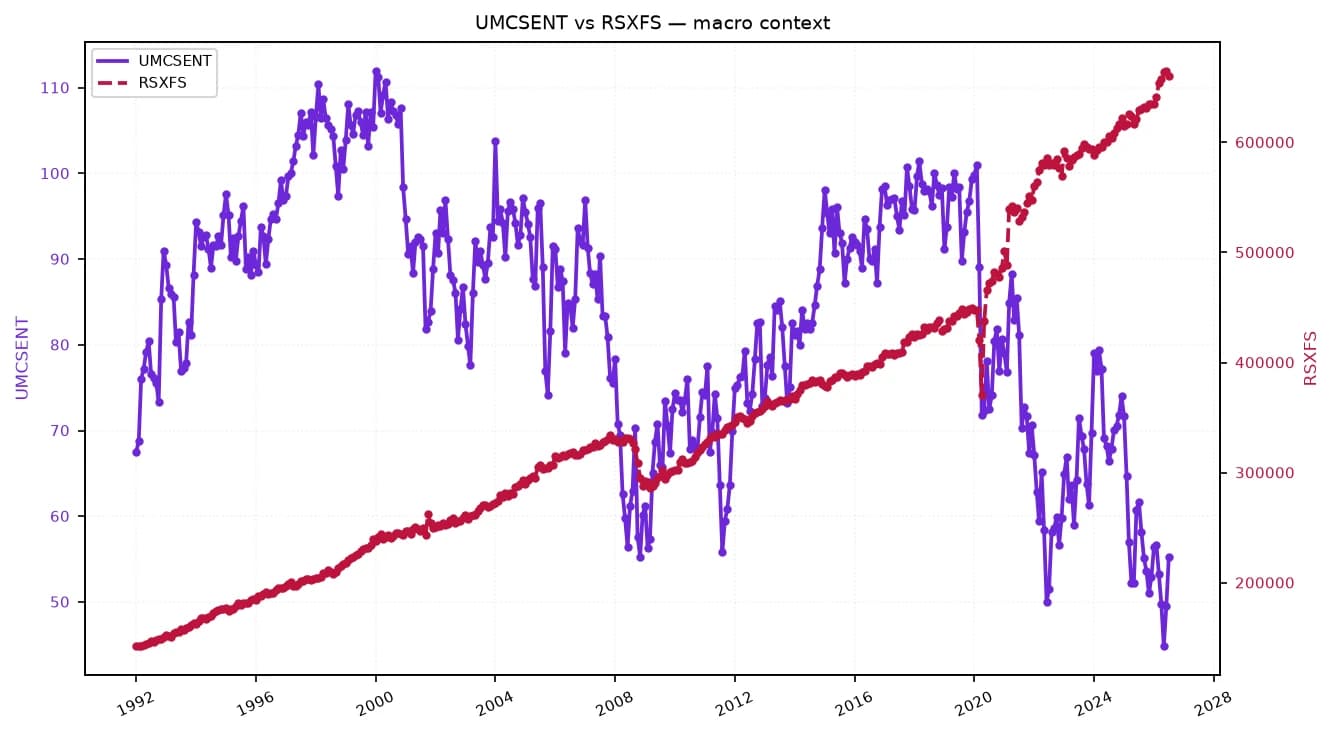
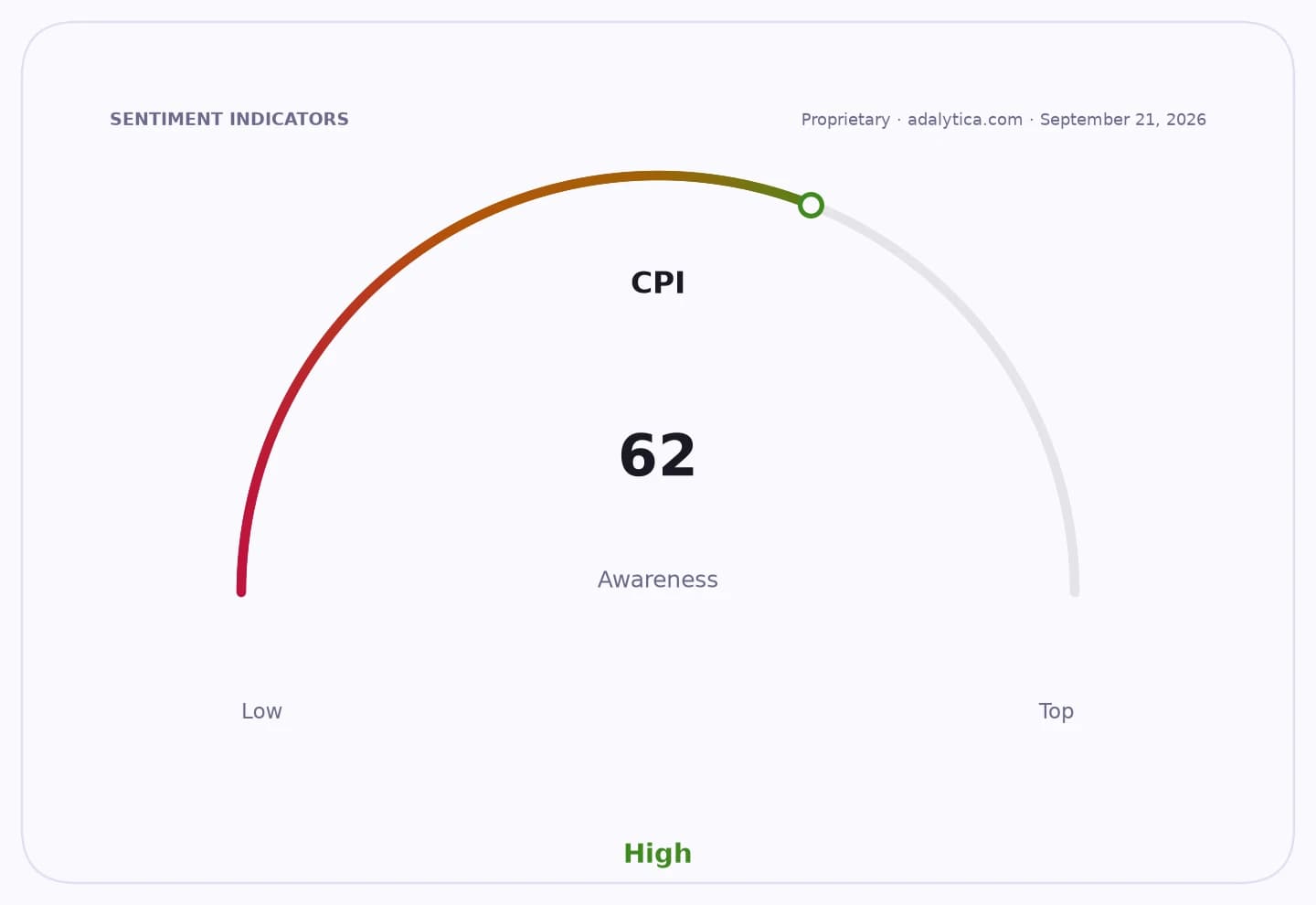
Social media’s anti-haul movement is emerging as a real consumer force, and that matters because the digital shopping machine is getting more efficient even as shoppers grow more resistant to impulse spending.
Amazon, Walmart, MercadoLibre Face Deinfluencing Trend

The basic economics are straightforward: if creators can slow purchase decisions, shorten wishlist-to-checkout conversion and push shoppers toward fewer discretionary buys, that is a headwind for the retail and marketplace model that thrives on frictionless demand. Sprout Social says more than 8 in 10 consumers buy something because of an influencer recommendation at least once a year, while 49% do so monthly. That is a huge monetization funnel. Deinfluencing is the counterweight — and the market has not fully priced in how much it can reshape basket sizes, conversion rates and the mix of high-margin discretionary goods.
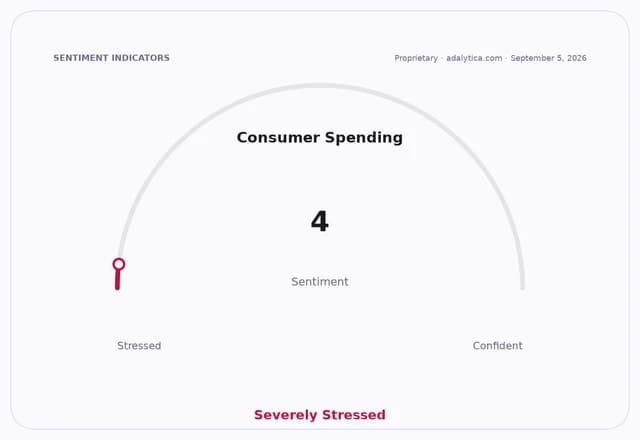
Sentiment IndicatorsⓘProprietary · adalytica.com · September 5, 2026
This is a snapshot — live sentiment, awareness and momentum for 130+ markets update continuously in the dashboard.Open AlphaPulse
That is why the story matters well beyond lifestyle content. Amazon, Walmart and MercadoLibre all depend on volume, frequency and the ability to turn browsing into buying. If shoppers begin pausing before purchase, deleting shopping apps, or refusing to click “buy now” on mobile, the effect is not just fewer orders. It is slower traffic growth, lower ad monetization, and weaker margin leverage on categories that rely on impulse — beauty, fashion, home goods and seasonal accessories. In a market where every percentage point of conversion matters, even small behavioral shifts can move earnings.
The trend is also colliding with a broader fatigue around constant selling. HubSpot says 89% of marketers partnered with an influencer or content creator in 2025, up from 50% in 2024. That explosion in creator commerce has made social feeds feel less like entertainment and more like a checkout aisle. Deinfluencing is the backlash, and backlash trends can be powerful because they change consumer psychology faster than corporate models can adapt.

Investors should pay attention to the second-order winners and losers. The immediate losers are the platforms and retailers most exposed to discretionary online demand. Amazon remains the purest read-through: its shares have been volatile, even after a strong run, and the stock is trading close to its short-term technical range rather than breaking decisively higher. Walmart is more defensive, but it is not immune if consumers shift from spending to saving. MercadoLibre, meanwhile, is the highest-beta way to express Latin American e-commerce growth, and any slowing in social-driven commerce would matter disproportionately for a company still priced for expansion.
The beneficiaries may be less obvious. Financial-planning content, budgeting apps, and retailers with everyday-value positioning stand to gain if consumers embrace underconsumption. The more important opportunity, though, may be in businesses that profit from the time gap between desire and purchase: comparison shopping, payment discipline, savings products and value-oriented consumer staples. The market tends to overweight the revenue lost from fewer clicks and underweight the capital reallocation that follows when households decide to spend less on stuff and more on resilience.
Adalytica’s Consumer Spending Sentiment gauge is flashing Extreme Fear at 4, down 25 points over 30 days, which fits the same pattern: households are not just changing what they buy, they are becoming more guarded about buying at all. That does not mean consumer demand collapses overnight. It does mean the next leg of retail growth may come from efficiency, value and necessity rather than aspiration and excess.
For investors, the actionable takeaway is clear: own the businesses that help consumers resist impulse, and be selective on the retailers and marketplaces most dependent on social-driven discretionary spending. The deinfluencing trend may sound like a TikTok niche, but the market impact could be much bigger — because the best way to spend less is to stop being sold to in the first place.
| Entity | Gains | Losses |
|---|---|---|
| Consumers | ▲Fewer impulse buys | ▼More friction to shopping |
| Budgeting apps / planners | ▲Higher demand | ▼Less ad-style commerce |
| Amazon | ▲Defensive essentials mix | ▼Slower discretionary conversion |
| Walmart / MercadoLibre | ▲Value shoppers may stick | ▼Social-driven growth pressure |